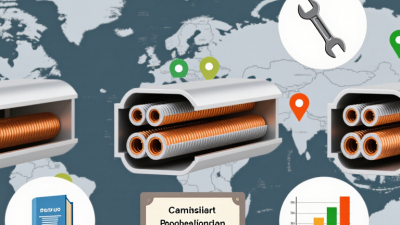
China Top 10 Bus Duct Trunking System Manufacturers?
China’s electrical infrastructure is expanding, creating stronger demand for reliable power distribution equipment. The International Energy Agency’s Electricity 2024 report expects China to drive more than half of global electricity demand growth through 2026. This outlook supports continued investment in factories, data centers, commercial buildings, and transport facilities.
Bus Duct Trunking System solutions can replace extensive cable arrangements in many high-load applications. They offer organized routing, flexible tap-off points, and easier maintenance when properly designed. However, performance depends on engineering details, not promotional claims. Enclosure protection, conductor material, temperature-rise testing, short-circuit ratings, and installation quality all deserve close review.
This guide introduces ten notable Chinese manufacturers and compares their practical strengths. The evaluation considers product range, IEC 61439-6 compliance, ISO 9001 systems, laboratory testing, project experience, manufacturing capacity, and after-sales support. The International Electrotechnical Commission identifies IEC 61439-6 as the key standard for low-voltage busbar trunking systems. That reference provides a useful technical baseline.
Independent market studies, including reports from MarketsandMarkets and Grand View Research, also indicate steady global growth in busbar systems. Their estimates differ because research boundaries and calculation methods vary. That matters. No ranking is perfect.
Some manufacturers excel in compact systems for offices. Others focus on high-current industrial lines, clean rooms, or renewable-energy facilities. Buyers should verify certificates, test reports, copper or aluminum specifications, and completed project references before selecting a supplier. A polished catalogue is not enough. Real reliability appears in the details, including joint temperature, sealing quality, and response after delivery.
What Is a Bus Duct Trunking System?
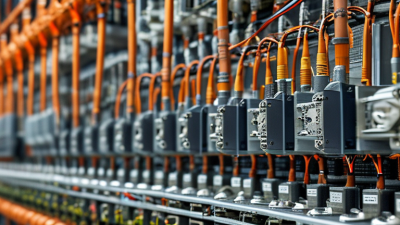
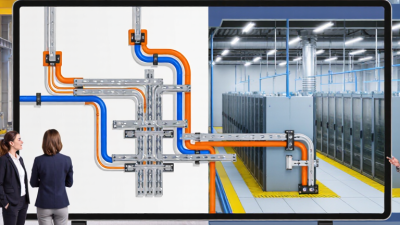
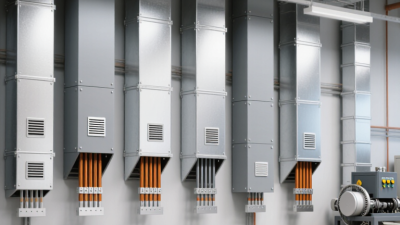
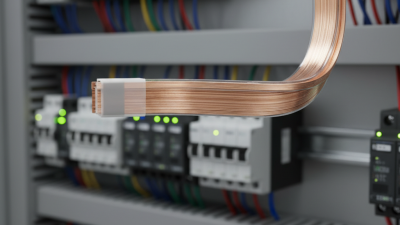
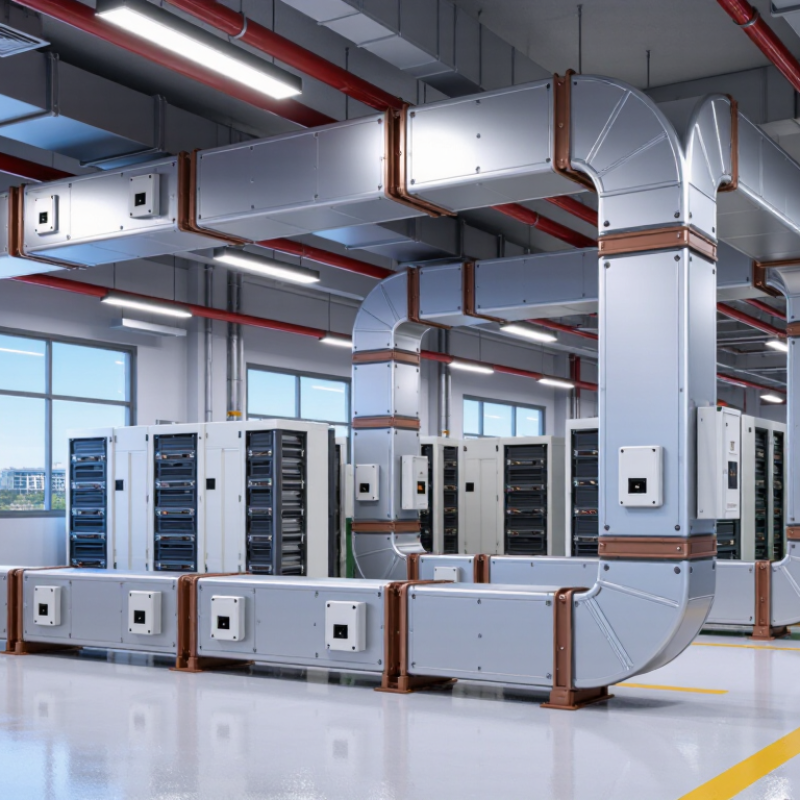
A bus duct trunking system is a prefabricated electrical distribution assembly. It places copper or aluminum conductors inside a protected metal enclosure. Insulation separates each conductor, while joint packs connect straight sections, elbows, and tap-off boxes. Unlike long cable runs, the system uses plug-in outlets for faster connection to panels, motors, or lighting loads.
The International Energy Agency’s Electricity 2024 report expects global electricity demand to grow by about 3.4% annually from 2024 to 2026. That pressure makes compact distribution increasingly important in factories, data centers, and commercial buildings. A bus duct can reduce cable congestion and simplify future capacity changes. However, its rating must match the load, fault current, ambient temperature, and installation length. Bigger is not automatically safer.
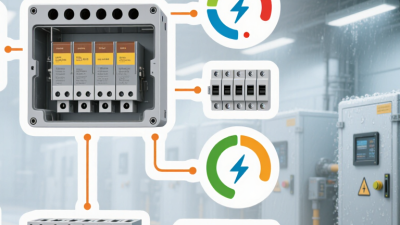
Under IEC 61439-6, low-voltage busbar trunking assemblies require design verification, temperature-rise checks, insulation testing, and short-circuit testing. Practical inspections should examine joint torque, enclosure continuity, moisture protection, and tap-off alignment. A clean installation can still fail through one loose connection. Engineers sometimes focus too heavily on current capacity and overlook heat buildup near vertical risers. That is a useful weakness to question during design reviews.
China’s Top 10 Bus Duct Trunking System Manufacturers
China’s top 10 bus duct trunking system manufacturers are often judged by engineering depth, production control, and verified field performance. Their products serve factories, data centers, hospitals, commercial towers, and transport facilities. A credible supplier should provide copper or aluminum conductor options, tested insulation, clear current ratings, and enclosure protection suited to the installation environment.
Factory experience matters. Strong manufacturers usually operate automated punching, bending, and assembly lines. They also maintain routine checks for conductor resistance, dielectric strength, temperature rise, and joint torque. Compliance with IEC 61439-6 and applicable Chinese standards should be supported by traceable test reports, not vague certificates. Site teams should inspect samples, review drawings, and confirm short-circuit ratings before placing an order.
Details reveal quality. A well-made joint should close evenly, protect against dust, and remain accessible for maintenance. Delivery records, spare-part planning, and technical support also separate capable suppliers from ordinary ones. A polished website proves little. Even a high-ranked manufacturer may struggle with custom dimensions or urgent export schedules. Buyers should compare factory audits, project references, warranty terms, and response times. The “top 10” list is useful, but it should remain a starting point, not a final decision.
Product Range, Certifications, and Manufacturing Capabilities
Selecting China’s top ten bus duct trunking system manufacturers requires more than comparing price lists. Their product ranges should cover copper and aluminum conductors, compact and sandwich designs, lighting busways, tap-off boxes, and fire-resistant options. MarketsandMarkets identifies commercial buildings, industrial plants, and data centers as major demand areas. These applications require different current ratings, enclosure protection, and installation methods.
Certifications reveal manufacturing discipline. Buyers should check IEC 61439-6 type-test evidence, ISO 9001 quality management, ISO 14001 environmental systems, and ISO 45001 occupational safety controls. CCC approval is important for many domestic projects, while CE, UL, or CSA documentation may support export markets. Testing should include temperature rise, dielectric strength, short-circuit withstand, ingress protection, and mechanical endurance. Testing matters.
Manufacturing capability is equally practical. Strong suppliers usually operate copper cutting, aluminum processing, insulation, enclosure forming, powder coating, and assembly lines under controlled procedures. Automated torque verification and traceable batch records reduce connection failures. The Uptime Institute’s data center research repeatedly highlights power distribution resilience as a critical operational concern. However, a polished catalog is not enough. I would still question independent test dates, conductor purity, joint-plug quality, and spare-part availability. Factory audits can expose gaps that certificates sometimes hide.
How to Choose the Right Chinese Bus Duct Supplier
How to Choose the Right Chinese Bus Duct Supplier
China’s bus duct market offers many capable manufacturers, but a low quotation can still hide costly risks. The IEA’s Buildings 2023 report states that buildings consume about 30% of global final energy. Efficient distribution equipment therefore matters in factories, data centers, and commercial towers. When creating a top-ten supplier shortlist, check engineering depth before checking price. Request drawings, conductor calculations, temperature-rise results, and short-circuit withstand test reports.
Compliance is non-negotiable. A reliable supplier should design assemblies according to IEC 61439-6 and the applicable Chinese GB/T 7251.6 standard. Ask whether testing covers the exact enclosure, joint system, rating, and installation method you will purchase. Generic certificates are not enough. Review IP protection, insulation materials, fire behavior, copper or aluminum purity, and joint torque control. I have seen technically attractive proposals fail because their joint documentation was incomplete.
Visit the factory, if possible. Observe conductor processing, insulation wrapping, enclosure welding, and final inspection. Check serial-number traceability from raw material to finished section. Ask for recent third-party laboratory reports and overseas project references with similar current ratings. Independent certification helps, but it cannot replace a factory audit. Also examine delivery capacity, spare joints, installation training, warranty terms, and response times. Leave room for doubt: promised production capacity may not match actual monthly output. A witnessed factory acceptance test can expose that gap before shipment.
How to Choose the Right Chinese Bus Duct Supplier
A practical supplier evaluation model for bus duct trunking systems. The weighting reflects common procurement priorities: compliance, electrical performance, safety, delivery capability, customization, and lifecycle value. It is not a ranking of individual companies or brands.
Recommended scoring dimensions: verify IEC 61439-6 or equivalent compliance, rated current, short-circuit withstand, enclosure protection, testing documentation, project experience, lead time, engineering support, and total cost of ownership.