What Are the Top Busbar Systems for Global Buyers?
Choosing the right Busbar Systems requires more than comparing current ratings or browsing attractive product catalogs. Global buyers must examine conductor materials, enclosure strength, joint design, tap-off safety, heat performance, and installation conditions. A system that performs well in a clean data center may struggle in a humid factory, dusty warehouse, or high-rise project.
Busbar systems specialist Michael O’Neill puts the priority plainly: “A strong design begins with the load, not the catalog.” That view remains practical. Buyers should map present demand, future expansion, fault levels, ambient temperature, and available maintenance space before selecting a supplier. Copper offers excellent conductivity, while aluminum may reduce weight and cost. Neither option is automatically better.
Compliance also matters. Buyers should review relevant IEC 61439 requirements, regional certification, short-circuit withstand data, and documented testing procedures. UL 857 may be important for projects serving North American markets. Local engineering approval can change the final decision.
The strongest suppliers provide tested joint assemblies, clear installation manuals, traceable components, and responsive technical support. Ask for real project references. Request temperature-rise data. Inspect the warranty language carefully.
A ranking alone can mislead.
Price remains important, but downtime can cost far more than the initial purchase. Some buyers also underestimate logistics, spare parts, and installer training. That weakness deserves attention. The best Busbar Systems balance electrical performance, safety, scalability, serviceability, and regional support. This guide compares leading options through those practical measures, helping global purchasers make a confident choice while recognizing that no single system suits every project.
Busbar System Types: Sandwich, Air-Insulated, and Solid-Bar Designs
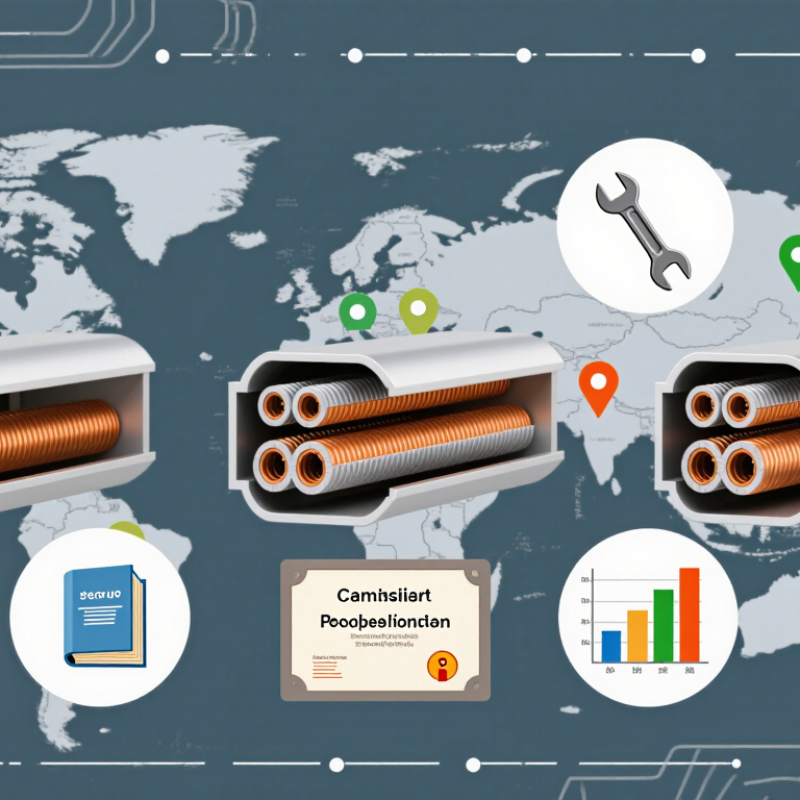
Global buyers usually compare busbar systems by operating conditions, not appearance. Sandwich, air-insulated, and solid-bar designs solve different distribution problems. A qualified selection starts with current rating, fault level, enclosure rating, ambient temperature, and installation access. Real projects expose details brochures often miss. A dusty factory, cramped riser, or wet loading bay can change the decision quickly.
Sandwich systems place conductors closely together inside a compact insulated enclosure. Their low impedance can support high-current distribution with limited voltage drop. They suit tall buildings and production lines where space costs money. However, joint preparation and torque control demand disciplined installation. One loose connection can create dangerous heat. That risk is sometimes underestimated.
Air-insulated systems separate conductors with air gaps and supporting barriers. They can simplify visual inspection and heat dissipation. Maintenance teams often appreciate the accessible layout. Yet they need more space and careful protection from dust, moisture, and accidental contact. Solid-bar designs use rigid copper or aluminum bars within an enclosed or molded assembly. They offer mechanical strength and predictable routing for short, robust connections. Engineers should verify thermal performance, expansion behavior, joints, and corrosion protection. “Solid” does not automatically mean safer. It can mean heavier, less flexible, or harder to modify. For global procurement, request tested assembly data, installation tolerances, spare-joint plans, and local compliance evidence. Evidence should include applicable IEC 61439 documentation. Independent inspection remains valuable when drawings change late.
Global Ratings: 630–6,300 A Capacity, Voltage, IP, and Short-Circuit Strength
What are the top busbar systems for global buyers? The answer depends on load, installation conditions, and verified test data. Systems rated from 630 to 6,300 A serve factories, data centers, commercial towers, and transport facilities. A practical comparison should examine operating voltage, insulation performance, temperature rise, and conductor material. Do not judge capacity alone. A 6,300 A system may be excessive for a compact production line.
Voltage selection must match the network and local engineering rules. Low-voltage systems commonly require clear ratings for insulation voltage, impulse withstand, and frequency. IP protection also matters. An IP54 enclosure may suit a clean indoor plant, while dusty or washdown areas may require stronger sealing. Short-circuit strength needs equal attention. Check both short-time withstand current, Icw, and peak withstand current, Ipk. These values influence protective-device coordination and fault safety. Test reports aligned with IEC 61439 can improve confidence, but documents still need careful review.
Tips: Request certified test records, installation drawings, and derating tables before comparing prices. Ask how joints are sealed and inspected. Look for accessible torque markings. Small details matter. In field work, crowded cable rooms often expose weak planning. I have seen a technically strong system underperform because ventilation space was ignored. That is an uncomfortable lesson. Confirm ambient temperature, altitude, joint access, fire requirements, and maintenance procedures with qualified engineers before approval.
What Are the Top Busbar Systems for Global Buyers? - Global Ratings: 630–6,300 A Capacity, Voltage, IP, and Short-Circuit Strength
The comparison below summarizes commonly available IEC 61439-6 busbar trunking rating bands. Actual ratings depend on the complete tested assembly, conductor material, enclosure design, ambient temperature, installation method, and local certification.
| System Rating |
Typical Application |
Rated Operational Voltage (Ue) |
Rated Insulation Voltage (Ui) |
Typical Protection Levels |
Rated Short-Time Withstand Current (Icw, 1 s) |
Rated Peak Withstand Current (Ipk) |
Conductor Configuration |
Global Buyer Assessment |
| 630 A |
Small commercial buildings, retail floors, light industrial branches |
400–690 V AC |
1,000 V AC |
IP42–IP55 |
50 kA |
105 kA |
3P + N + PE or 3P + PEN |
Excellent for compact distribution |
| 800 A |
Office towers, hospitals, data-room auxiliary distribution |
400–690 V AC |
1,000 V AC |
IP42–IP55 |
50 kA |
105 kA |
3P + N + PE or 3P + PEN |
Strong balance of size and capacity |
| 1,000 A |
Commercial towers, manufacturing lines, utility distribution |
400–690 V AC |
1,000 V AC |
IP55–IP65 |
65 kA |
143 kA |
3P + N + PE; optional 100% neutral |
Versatile general-purpose range |
| 1,250 A |
Medium industrial plants, logistics facilities, large commercial loads |
400–690 V AC |
1,000 V AC |
IP55–IP65 |
65 kA |
143 kA |
3P + N + PE; optional 100% neutral |
Suitable for demanding feeders |
| 1,600 A |
Data centers, process plants, high-rise main distribution |
400–690 V AC |
1,000 V AC |
IP55–IP65 |
80 kA |
176 kA |
3P + N + PE; high-capacity neutral options |
High-capacity infrastructure choice |
| 2,000 A |
Large data centers, industrial production, central plant rooms |
400–690 V AC |
1,000 V AC |
IP55–IP66 |
80 kA |
176 kA |
3P + N + PE; optional 200% neutral for harmonic loads |
Very strong for critical power systems |
| 2,500 A |
Heavy commercial distribution, transportation facilities, process industries |
400–690 V AC |
1,000 V AC |
IP55–IP66 |
80 kA |
176 kA |
3P + N + PE; optional isolated protective conductor |
High fault-duty capability |
| 3,200 A |
Large industrial plants, airports, hospitals, primary building risers |
400–690 V AC |
1,000 V AC |
IP55–IP66 |
100 kA |
220 kA |
3P + N + PE; optional 100% or 200% neutral |
Excellent for main distribution |
| 4,000 A |
Major manufacturing sites, utility interfaces, large-scale data centers |
400–690 V AC |
1,000 V AC |
IP55–IP66 |
100 kA |
220 kA |
3P + N + PE; parallel conductor arrangements |
Designed for major power corridors |
| 5,000 A |
Heavy process industry, energy infrastructure, high-load central plants |
400–690 V AC |
1,000 V AC |
IP55–IP66 |
100 kA |
220 kA |
3P + N + PE; engineered high-current assembly |
Very high current and fault-duty class |
| 6,300 A |
Utility-scale low-voltage distribution, large industrial complexes, power-intensive facilities |
400–690 V AC |
1,000 V AC |
IP55–IP66 |
120 kA |
264 kA |
3P + N + PE; custom engineered configuration |
Maximum-range solution for critical feeders |
IEC 61439-6 Compliance: Up to 1,000 V AC and 1,500 V DC
For global buyers, a busbar system should be judged by verified performance, not attractive specifications alone. IEC 61439-6 provides a structured framework for low-voltage busbar trunking systems. It addresses design verification, temperature rise, short-circuit withstand, insulation, and mechanical strength. Systems rated up to 1,000 V AC or 1,500 V DC require careful review of their declared limits. The numbers matter.
A reliable selection process begins with the project’s real electrical conditions. Check rated current, frequency, fault levels, ambient temperature, installation altitude, and enclosure protection. A system passing laboratory tests may still perform poorly if joints are installed incorrectly. Torque settings, conductor alignment, and sealing details deserve field attention. Small errors can create serious heating.
Experienced engineers should request test reports, routine verification records, installation instructions, and clear conformity documentation. They should also confirm whether the assembly matches the intended network and operating environment. IEC 61439-6 compliance is not a universal safety guarantee. It depends on the verified configuration and proper installation. This distinction is sometimes overlooked. Independent inspection can improve confidence, although it adds time and cost. Buyers should question unclear ratings, incomplete documentation, and claims without traceable evidence. A practical review may reveal that the cheapest option is not the most dependable one.
How to read this chart: The voltage points represent widely used low-voltage distribution levels and the maximum scope referenced for busbar trunking systems under IEC 61439-6: up to 1,000 V AC or 1,500 V DC. Buyers should verify the manufacturer’s tested assembly, rated current, short-circuit withstand, ingress protection and installation conditions.
Application Fit: Data Centers, Manufacturing, Renewables, and High-Rise Projects
Data centers demand predictable power, compact distribution, and fast maintenance.
The IEA’s Electricity 2024 report estimates global data-center electricity use could exceed 1,000 TWh by 2026. Busbar systems support dense racks with shorter routes and flexible tap-off points. However, designers must verify heat dissipation, fault levels, and redundancy at every section. A neat layout can still fail during a thermal event.
Manufacturing plants need rugged systems that tolerate dust, vibration, frequent reconfiguration, and motor starting currents.
IEC 61439-6 provides a useful framework for low-voltage busbar trunking assemblies, including verification requirements. In renewable projects, the selection changes again. The IRENA Renewable Capacity Statistics 2024 report recorded 473 GW of new renewable capacity added in 2023. Solar and battery sites often need scalable connections between inverters, transformers, and switchboards. Outdoor installations require suitable IP protection, UV resistance, and careful cable-entry sealing.
High-rise projects prioritize vertical distribution, limited shaft space, fire compartmentation, and simple floor-by-floor metering.
A busbar riser can reduce installation congestion, but coordination with fire-stopping details remains essential. Field reviews often find that connection torque, alignment, and labeling receive less attention than capacity calculations. That is risky. Buyers should compare continuous current, short-circuit withstand, voltage drop, environmental ratings, testing records, and service access. The best system depends on the building’s load profile, not only its nameplate rating. Some project assumptions will be wrong; commissioning data should be used to correct them.