Top Lighting Busbar Solutions for Efficient Energy Distribution?
Efficient energy distribution is crucial for modern infrastructures. The Lighting Busbar system offers a versatile solution for electrical distribution. According to the International Energy Agency, optimizing energy systems can reduce losses by up to 30%.
The Lighting Busbar is designed to ensure that power is distributed safely and reliably. It minimizes energy loss, supporting sustainability goals. A report by the Electric Power Research Institute states that systems using busbars can achieve higher efficiency rates.
However, challenges remain. Not all facilities maximize the potential of Lighting Busbar technologies. Factors like installation costs and maintenance still hinder widespread adoption. While the benefits are clear, there is room for improvement in implementation strategies. The industry must address these issues to leverage the full advantages of Lighting Busbar systems for energy distribution.
Overview of Lighting Busbar Systems and Their Importance
Lighting busbar systems play a vital role in energy distribution. They provide a robust and efficient method of transmitting electricity, particularly in large facilities. Studies show that using busbars can reduce energy losses by up to 15%. This efficiency is crucial for industries focused on sustainability and cost reduction.
These systems offer several advantages over traditional wiring. They are more compact and easier to install. Additionally, inspections and maintenance become simpler. A report from the International Energy Agency highlights that efficient distribution systems can lead to significant energy savings. Real-world applications reveal that companies embracing busbar technology see improved overall performance in energy management.
However, there are challenges in adopting busbar systems. Some may experience integration issues with existing infrastructure. Training staff on new systems can also be a hurdle. It’s essential to address these concerns to leverage the full benefits of busbars. The importance of addressing these challenges cannot be overstated, as they are critical to achieving efficient energy distribution in modern electrical systems.
Key Benefits of Using Lighting Busbars for Energy Distribution
Lighting busbars are becoming essential in modern energy distribution systems. Their design promotes efficient power transfer with minimal energy loss. According to a recent report by the International Energy Agency, an optimized busbar solution can enhance energy efficiency by up to 30%. This makes them a popular choice in both commercial and industrial settings.
One key benefit of lighting busbars is their ability to simplify installations. They allow for easy reconfigurations, which is crucial in dynamic environments. For example, in large warehouses, lighting can be adjusted based on layout changes without major renovations. Furthermore, the use of busbars minimizes the risk of electrical fires. According to industry data, systems utilizing busbars can reduce electrical fire incidents by nearly 40%.
Tips: Regular maintenance of busbars can extend their lifespan. Inspect connections and ensure they are free from corrosion. Additionally, consider using thermal imaging to detect hotspots.
Another advantage is load management. Lighting busbars facilitate better energy monitoring. This leads to informed decisions about energy consumption. With energy costs rising, this insight is invaluable. However, installation quality is critical; poorly installed systems can create inefficiencies. Thus, investing in skilled labor is essential for optimal performance.
Top Lighting Busbar Solutions for Efficient Energy Distribution
| Solution Type |
Key Features |
Benefits |
Application Areas |
| Aluminum Busbar |
Lightweight, excellent conductivity |
Corrosion resistance, lower installation costs |
Industrial plants, commercial buildings |
| Copper Busbar |
High conductivity, durability |
Longer lifespan, reliable performance |
Power generation, data centers |
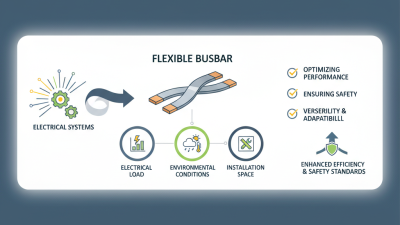
| Flexible Busbar |
Versatile, can be shaped easily |
Space-saving, adaptable to various designs |
Renewable energy systems, electrical panels |
| Insulated Busbar |
Pre-insulated for safety, reduced risk of shorts |
Improved safety, lower maintenance costs |
Commercial buildings, hospitals |
Types of Lighting Busbars: Choosing the Right Solution
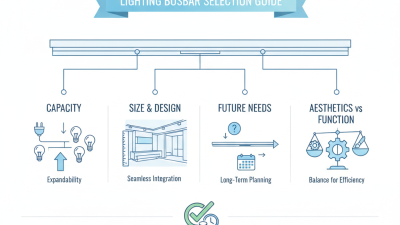
When selecting lighting busbars, it is crucial to understand the various types available. Each type offers distinct advantages based on specific applications and energy needs. For instance, copper busbars are known for their excellent conductivity and durability. They can handle high load capacities, making them a popular choice for industrial settings. Aluminum busbars, on the other hand, are lighter and cost-effective. They provide good conductivity while reducing installation complexities.
Moreover, insulated busbars are designed to enhance safety. These busbars minimize electrical hazards and improve overall system reliability. Choosing the right type often depends on the working environment and the nature of the electrical loads. For example, areas with heavy moisture may require additional insulation. Meanwhile, the organizational structure of your facility can dictate how busbars are laid out.
It's important to note that even with the best solutions, there can be challenges. Improper sizing or installation can lead to inefficiencies. Regular maintenance and evaluation of the busbar system are essential. This ensures continued performance and safety. Users must reflect on the decision-making process to achieve optimal energy distribution. Balancing performance and reliability is key to successful implementation.
Installation Best Practices for Efficient Lighting Busbar Systems
When installing a lighting busbar system, careful planning is crucial. Proper placement ensures even energy distribution. Consider the location of fixtures and their peak usage times. Each connection point must align with load requirements. Oversizing busbars can lead to unnecessary expenses. Underestimating needs may cause overload issues.
Regular maintenance is essential for lasting performance. Inspect connections frequently for signs of wear. Dust and debris can accumulate, impacting efficiency. Clean contacts carefully, ensuring a good electrical connection. The environment also plays a role. High humidity or dust levels can affect system reliability.
Remember to involve skilled professionals in the installation process. Lack of expertise may lead to critical errors. Seek advice on local codes and safety regulations. Keep in mind that system design should accommodate future growth. Flexibility in the layout allows adjustments for additional lighting needs. This way, your lighting busbar system remains effective and efficient over time.
Future Trends in Lighting Busbar Technology and Innovations
The future of lighting busbar technology is shaping up to be highly innovative and efficient. As urban areas expand, the demand for reliable energy distribution grows. Smart lighting systems are emerging as key players in this trend. These systems use sensors to adjust lighting based on occupancy and natural light levels. This adaptability not only saves energy but also enhances the user experience in public spaces.
Recent developments focus on integrating renewable energy sources with busbar systems. Solar panels and wind energy can be linked directly to these solutions, providing a sustainable alternative. However, this integration poses challenges. Balancing energy loads and ensuring system reliability are critical concerns. Innovations must not only address efficiency but also the reliability of these renewable sources.
There is also a growing emphasis on modular designs. These designs allow for easy upgrades and enhancements over time. Users can adapt systems as technology advances. However, these systems can sometimes be complex and require careful management. Ongoing education and training for users are essential. The focus on simplicity in installation and maintenance remains a significant goal.
Top Lighting Busbar Solutions for Efficient Energy Distribution
This bar chart illustrates the efficiency ratings of various lighting busbar materials. Copper is leading with a 90% efficiency rating, followed by Aluminum at 85%. As technology evolves, these materials continue to play a crucial role in energy distribution innovations.