Top Benefits of Flexible Busbar for Global Buyers?
In today's rapidly evolving electrical industry, Flexible Busbar stands out as a crucial component for global buyers. It offers myriad benefits that enhance efficiency and adaptability in various applications. The innovative design of Flexible Busbar allows for easier installation and maintenance, making it an attractive choice for manufacturers.
However, buyers must also consider specific challenges, such as ensuring compatibility with existing systems. Balancing flexibility and rigidity is essential for optimal performance. As the demand for customized solutions grows, the importance of understanding the unique advantages of Flexible Busbar cannot be overstated.
Investing in Flexible Busbar technology can lead to significant long-term savings and improved operational reliability. It is essential to collaborate with reputable suppliers who can provide expert guidance and high-quality products. This way, buyers can confidently harness the full potential of Flexible Busbar in their applications, ensuring a more effective electrical infrastructure.
Overview of Flexible Busbar Technology
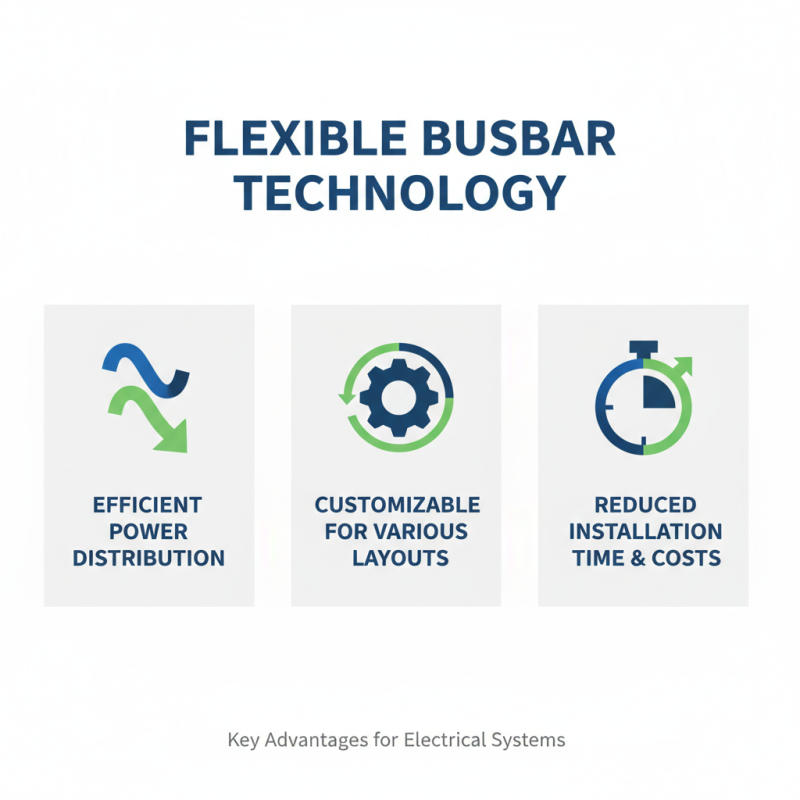
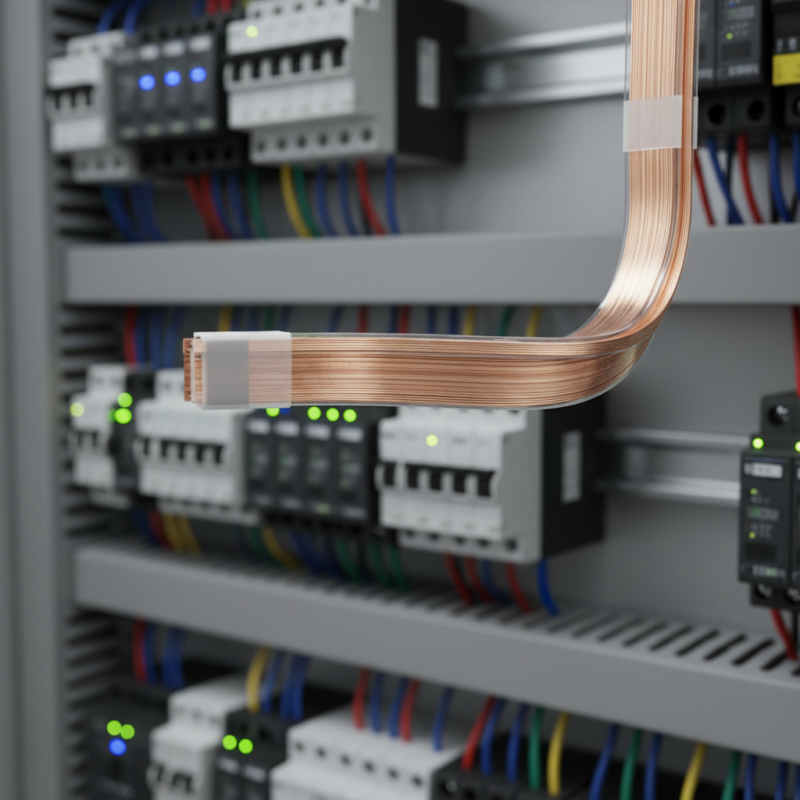
Flexible busbar technology offers unique advantages in electrical systems. It consists of conductive materials that provide efficient power distribution. This design allows for customization, enabling it to fit various applications and layouts. The flexibility helps in reducing installation time and costs.
One significant detail is the ability to withstand thermal and mechanical stresses. This durability is key in industrial settings, where conditions can be harsh. However, not all installations achieve optimal results. Proper engineering and calibration are essential to leverage the busbar's benefits fully.
Moreover, flexible busbars promote safety through their modular design. They can be easily modified for maintenance or upgrades. Yet, users may encounter challenges in ensuring compatibility with existing systems. It's vital to assess these factors before implementation. Understanding the nuances of installation can help avoid future issues.
Advantages of Flexible Busbars in Electrical Applications
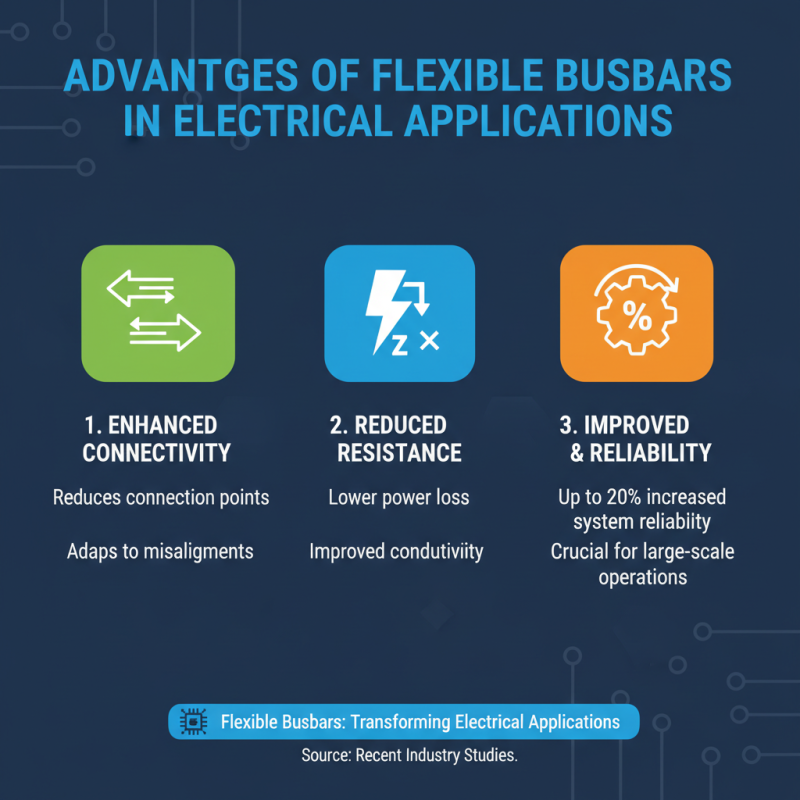
Flexible busbars have transformed electrical applications with their unique advantages. They provide better connectivity, reducing resistance and improving overall efficiency. According to recent industry studies, flexible busbars can increase system reliability by up to 20%. This is crucial for large-scale operations, where even minor inefficiencies can lead to significant losses.
One major benefit of using flexible busbars is their adaptability. They can be easily configured to fit different layouts and requirements. This characteristic is especially beneficial in crowded environments. It allows for quick adjustments without extensive re-engineering. However, potential drawbacks include the complexity of installation and maintenance challenges. These should not be overlooked, as improper handling can negate their advantages.
Tips: Regularly inspect the connections for wear. This can prevent unexpected downtime. Ensure that installation adheres to the recommended guidelines to maximize performance. Additionally, ongoing training for technicians can mitigate installation mistakes. This ensures that the benefits of flexible busbars are fully realized, keeping systems efficient and reliable.
Cost Efficiency and Design Flexibility of Flexible Busbars
Flexible busbars have gained popularity due to their cost efficiency. Traditional busbars can be expensive to manufacture and install. Flexible options provide a more economical solution without sacrificing quality. They often require fewer raw materials, which lowers production costs. This ultimately allows companies to allocate funds to other critical areas.
Design flexibility is another significant advantage. These busbars can be easily adapted to various layouts and configurations. They can fit into tight spaces and complex designs where rigid alternatives might not work. This adaptability can lead to innovative solutions in electrical systems, enhancing overall efficiency. However, the installation process still requires careful planning and expertise. An improper installation could negate these benefits.
Despite these advantages, buyers should consider potential downsides. Flexible busbars may not always provide the same level of durability as rigid ones. They can also be susceptible to damage under harsh conditions. Buyers should weigh these factors carefully. Engaging with experienced professionals during the selection process can help mitigate risks.
Environmental Benefits and Sustainability Considerations
The flexible busbar system is gaining traction due to its environmental benefits. Recent reports indicate that flexible busbars can reduce energy loss by up to 30%. This efficiency is crucial as the world pushes for sustainable energy solutions. The lower energy consumption directly translates into reduced carbon emissions. In a time of heightened awareness about climate change, every fraction of energy savings counts.
Additionally, flexible busbars often use recycled materials in their production. This shift towards sustainable materials is vital. A study found that using recycled metals can cut down resource extraction by 40%. However, there is still a need for improved recycling processes in the industry. The focus on sustainability must encompass the entire lifecycle of the product, from manufacturing to disposal.
The manufacturing of flexible busbars allows for customization. This flexibility reduces the need for excess materials and waste. Yet, the nuanced balance of production and environmental impact raises questions. Are current manufacturing practices truly sustainable? It's a complex issue that requires ongoing evaluation. Emphasizing continuous improvement will drive innovation in eco-friendly practices. While the potential is significant, a collective effort is necessary for real change.
Top Benefits of Flexible Busbar for Global Buyers - Environmental Benefits and Sustainability Considerations
| Benefit |
Description |
Environmental Impact |
Sustainability Consideration |
| Reduced Material Usage |
Flexible busbars require less material compared to traditional rigid solutions. |
Lower raw material extraction and processing emissions. |
Supports circular economy initiatives by minimizing waste. |
| Energy Efficiency |
Enhanced design reduces resistance, leading to lower energy losses. |
Supports a reduction in greenhouse gas emissions from power generation. |
Promotes greener energy solutions and compliance with regulations. |
| Longer Lifespan |
Flexible busbars tend to have a longer operational life due to better materials and design. |
Decreases frequency of replacements, reducing waste. |
Less frequent manufacturing and disposal contributes to sustainability. |
| Adaptability |
Can be easily reconfigured for new designs or upgrades in installations. |
Minimizes refurbishment waste and extends utility of existing infrastructure. |
Enhances the lifespan of energy systems while responding to changing needs. |
| Weight Reduction |
Lightweight design facilitates easier handling and installation. |
Lower transportation emissions due to reduced shipping weights. |
Reduces energy costs associated with logistics. |
Global Market Trends and Demand for Flexible Busbars
As industries evolve, the demand for flexible busbars is growing globally. These innovative solutions offer significant advantages, particularly in electrical distribution systems. They provide enhanced adaptability in limited spaces. Additionally, their lightweight design makes installation simpler and more efficient.
Current market trends indicate a shift towards automation and compact electrical systems. Flexible busbars easily integrate into smart technologies, facilitating the development of advanced energy management systems. This adaptability is crucial in sectors like renewable energy, where flexibility and efficiency are paramount. Manufacturers are beginning to recognize the importance of these features. However, they must address potential challenges in durability and reliability.
Buyers are increasingly prioritizing flexibility in their procurement processes. It is essential to consider material quality and manufacturing standards. While many products claim to be flexible, not all meet the necessary performance benchmarks. Understanding these factors is key to making informed purchasing decisions. The market is competitive, and discerning buyers must critically evaluate their options before investing.