How to Choose Barduct Busbar Systems for Global Projects
Choosing Barduct Busbar Systems for global projects requires more than comparing current ratings and product prices. Engineers must study the complete electrical environment. That includes voltage, fault levels, ambient temperature, installation height, enclosure protection, and future load growth. A system selected for a dry factory may perform differently in a humid coastal facility. Small details matter. Cable routes, transformer positions, maintenance access, and local installation skills can change the final decision.
Barduct Busbar Systems can support efficient power distribution across factories, data centers, commercial buildings, and infrastructure projects. However, global standardization should not become blind uniformity. Regional electrical practices, certification requirements, spare-parts availability, and approved installation methods need careful review. Schneider Electric’s former CEO Jean-Pascal Tricoire stated, “The future is electric.” That view strengthens the case for scalable, reliable distribution equipment, but it does not replace project-specific engineering.
A practical selection process should compare short-circuit withstand capacity, tap-off flexibility, fire performance, ingress protection, thermal behavior, and monitoring options. It should also examine delivery schedules and commissioning support. A technically excellent system can still create delays if local teams lack training or replacement parts. This is easy to overlook.
The following guide examines how project owners, consultants, and contractors can evaluate Barduct Busbar Systems for different countries and applications. It considers design compatibility, compliance documentation, lifecycle cost, and operational resilience. Some assumptions may prove wrong during site surveys. That is acceptable. Good engineering leaves room for verification, correction, and better decisions.
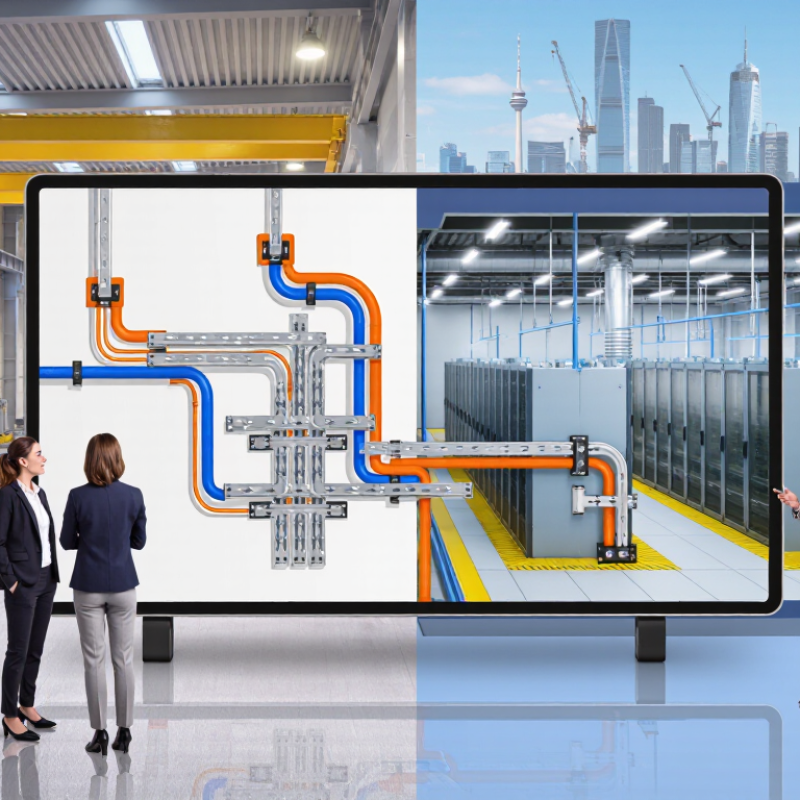
Understanding Barduct Busbar Systems and Their Global Applications
Barduct busbar systems distribute electrical power through compact, enclosed conductors. They suit factories, offices, data centers, and infrastructure projects. Their modular design can simplify installation and future changes. However, global applications require more than a current rating. Engineers must check voltage, frequency, fault levels, ambient temperature, humidity, and installation height. Local electrical codes and IEC 61439-6 requirements should guide the design. I have seen projects delayed because the system matched the load but not the building conditions.
Tips:
Start with a verified load schedule, not an estimate. Confirm conductor material, enclosure protection, joint design, and tap-off arrangements. Check whether the system supports vertical runs, tight spaces, and planned extensions. Review short-circuit withstand ratings with the protection study. Ask local installers to examine transport routes, lifting limits, and maintenance access. Small details matter.
Global projects also need clear documentation. Provide single-line diagrams, installation instructions, test records, and spare-part information in suitable languages. Coordination between designers, manufacturers, contractors, and inspectors reduces site changes. A technically strong selection can still fail through poor joint installation or unclear responsibilities. That is an uncomfortable lesson. Factory testing, visual inspection, torque verification, and commissioning records improve reliability. Avoid choosing only by purchase price. Energy losses, downtime, replacement access, and expansion needs affect the real project cost. A practical system is one that performs consistently across regions, teams, and operating conditions.
Defining Electrical, Environmental, and Project-Specific Requirements
How to Choose Barduct Busbar Systems for Global Projects
Defining Electrical, Environmental, and Project-Specific Requirements
Choosing a barduct busbar system starts with the electrical load, not the catalogue. Confirm rated current, voltage, frequency, fault level, and future expansion needs. A factory may require 1,600 amperes today, but production upgrades could demand more capacity within five years. Check voltage drop across long routes, especially between transformers and distribution panels. Short-circuit withstand ratings must match the protection strategy and verified project calculations. Do not rely on appearance. Compact equipment can still have unsuitable thermal performance.
Environmental conditions can change the selection significantly. Record ambient temperature, humidity, altitude, dust, corrosive gases, and water exposure. A coastal plant may need stronger corrosion protection than an indoor warehouse. Consider the enclosure rating, joint protection, ventilation, and installation orientation. Route planning also matters. Tight bends, low ceilings, and moving equipment create practical limits. Project documents should include tested configurations, installation clearances, inspection points, and maintenance access. A technically correct system can still fail when installers cannot reach a joint safely. That detail is often missed.
Tips: Ask for calculation records, test evidence, and clear installation instructions. Compare the system against applicable local and international standards. Keep spare lengths, joint kits, and identification labels in the project plan. Review the design with electrical, mechanical, and site teams together. One honest question helps: what assumption could be wrong?
Comparing Busbar Ratings, Materials, Configurations, and Protection Features
Choosing a busbar system for a global project starts with the load profile, not the product brochure. Record continuous current, short-circuit withstand, ambient temperature, altitude, and future expansion. A 1600 A rating may fail if heat rises inside a crowded electrical room. Ask for tested ratings under the actual installation conditions. Do not rely on nominal numbers alone.
Copper offers high conductivity and compact joints, while aluminum can reduce weight and material cost. Material choice also affects joint preparation, oxidation control, thermal expansion, and transport handling. In coastal sites, enclosure coatings and connection details deserve close inspection.
I have seen drawings ignore maintenance clearance. That mistake becomes expensive after commissioning. Choose sandwich, air-insulated, or flexible configurations according to route length, bends, and access. Rigid sections suit predictable corridors, while flexible links help connect transformers and switchboards.
Protection features should match fault energy and operating conditions. Check ingress protection, fire performance, phase barriers, earth continuity, tap-off interlocks, and temperature monitoring. For vertical risers, verify sealing between floors and resistance to water migration. Coordinate protective devices with the busbar short-circuit rating.
Independent type-test reports, installation records, and torque logs strengthen reliability across contractors. Yet documents can be incomplete. Review them with the installer before shipment, and challenge unclear assumptions early. A technically correct system can still underperform when local workmanship is overlooked.
Evaluating Suppliers, Logistics, Costs, and Long-Term Project Support
Choosing Barduct Busbar Systems for Global Projects
Supplier evaluation should begin with evidence, not polished presentations. Request temperature-rise tests, short-circuit ratings, material specifications, and current certificates. A dependable supplier explains factory controls, inspection stages, and corrective actions clearly. During project reviews, I also compare production capacity with the delivery schedule. A supplier may offer excellent engineering but lack enough capacity for a multi-country rollout. That creates risk.
Logistics can change the real purchase price. Confirm crate dimensions, lifting points, moisture protection, and replacement-part availability before ordering. Check customs documents and delivery responsibilities for every destination. A useful quote should separate product cost, freight, duties, installation support, and spare sections. Landed cost matters more than the unit price. I once underestimated local handling charges, and the budget became difficult to defend.
Long-term support deserves equal attention. Ask whether the supplier can provide layout reviews, installation training, remote troubleshooting, and field technicians. Response times should be written into the project agreement. Confirm how design changes, damaged sections, and future extensions will be managed. Technical support must continue after commissioning. It is easy to promise this. It is harder to prove it. Request reference projects with similar voltage, environment, and schedule conditions. Independent inspection can add cost, but it may reveal weak documentation before shipment. Suppliers should also explain how they protect continuity during factory disruption or regional delays.
How to Choose Barduct Busbar Systems for Global Projects
The chart presents a practical 100-point procurement framework for global projects. Technical compliance and total cost are balanced with logistics, documentation, supplier support, and lifecycle service to reduce delivery and operational risks.