How to Choose Bus Duct for Electrical Systems in 2026?
Choosing the right bus duct in 2026 requires more than comparing current ratings and prices. Bus Duct In Electrical systems now support factories, hospitals, data centers, and renewable-energy facilities. Each application creates different demands for capacity, heat control, protection, and future expansion. A compact aluminum system may suit a commercial tower. A copper system may perform better where voltage drop, fault current, or limited space matters.
John Cadick, an electrical safety engineer and author, offers a useful principle: “Good electrical design makes the safe choice the easy choice.” That idea should guide every selection. Engineers must review rated current, short-circuit withstand, enclosure protection, ambient temperature, installation height, and maintenance access. IEC 61439-6 and applicable local electrical codes should shape the specification. Manufacturer test reports matter too. A catalogue promise is not enough.
The physical details deserve attention. Imagine a 2,000-ampere busway crossing a hot production floor, surrounded by dust, vibration, and frequent load changes. Its joints, tap-off units, supports, and fire barriers can determine real performance. Future loads should be estimated, not guessed. Still, perfect forecasting is impossible. Overdesign wastes money, while undersizing creates expensive disruption. That tension deserves honest review. This guide explains how to compare conductor materials, insulation systems, protection features, installation methods, and lifecycle costs. It also considers monitoring technologies that can reveal abnormal temperature or loading before failure occurs. Good choices are practical, documented, and tested under realistic conditions.
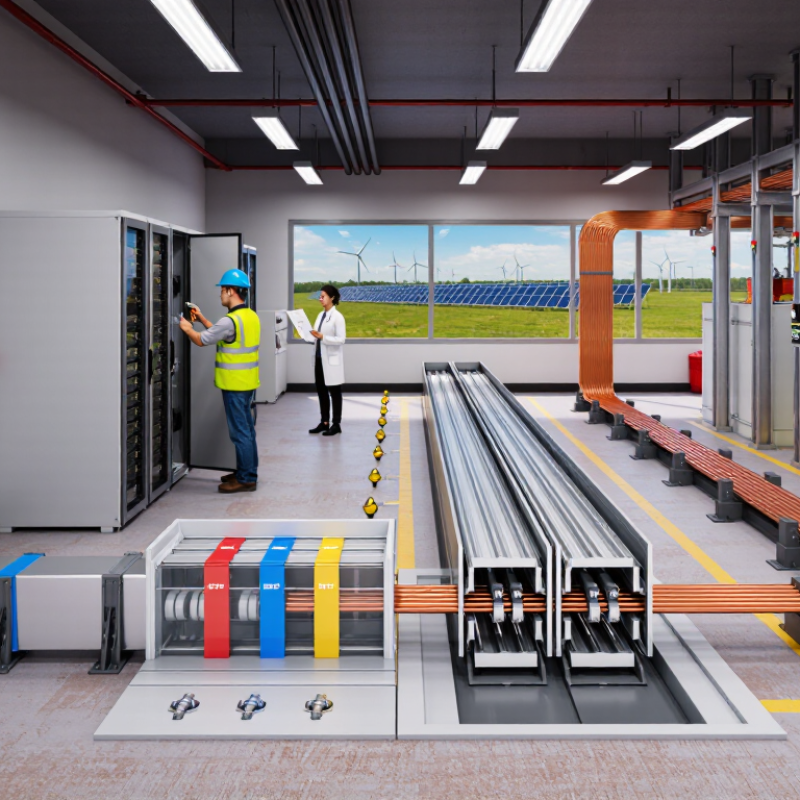
Bus Duct Basics: Purpose, Types, and Key Components
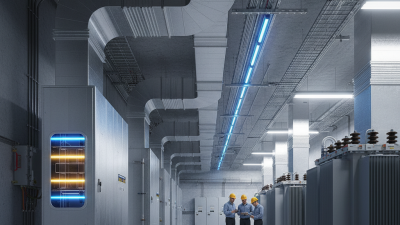
Bus duct, also called busway, carries power through enclosed metal conductors rather than many separate cables. It is used in factories, commercial buildings, and data centers where loads or layouts may change. The International Energy Agency estimates that data centers used about 415 TWh of electricity worldwide in 2024, with demand potentially reaching 945 TWh by 2030 (IEA, Energy and AI, 2025). That growth makes clear, maintainable power distribution increasingly important.
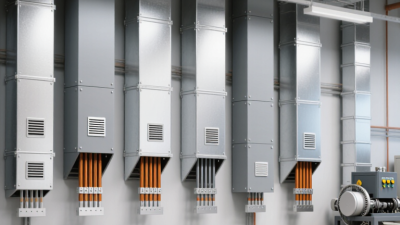
Common types include feeder bus duct, which carries power between equipment, and plug-in bus duct, which allows loads to connect at access points along the route. A typical system includes copper or aluminum conductors, insulation, a protective enclosure, joints, and connection fittings. Plug-in units add outlets for branch circuits.
Look closely at current rating, voltage, temperature rise, fault withstand, and the installation environment. Dust, moisture, and tight ceiling spaces matter.
Standards help define safe construction. IEC 61439-6 covers busbar trunking systems, while UL 857 addresses busways in North America. Ratings still need to match the actual installation, not just a catalog value. A neat route helps. So does access for inspection. In practice, joint locations can be overlooked during early layout reviews; that is an easy mistake, and worth checking against equipment positions before specifying the run.
Assess Electrical Loads, Voltage Levels, and Distribution Requirements
Choosing bus duct starts with the load, not the catalogue rating. List each feeder’s continuous demand, starting current, duty cycle, and likely future additions. Then apply the project’s load assumptions and check the result against the installation’s ambient temperature and enclosure conditions. Leave room for growth. But avoid oversizing without reason; it can increase cost and make routing harder.
Voltage and fault levels matter just as much. Confirm system voltage, phase arrangement, available short-circuit current, and protective-device clearing time. The U.S. Department of Energy’s 2024 report, prepared by Lawrence Berkeley National Laboratory, estimates U.S. data centers used 176 TWh in 2023, or 4.4% of national electricity consumption. It projects 325–580 TWh by 2028. That growth illustrates why distribution plans should account for added loads, though the report is not a bus-duct sizing guide. Check the actual project data.
Map the route, tap-off locations, and maintenance access before selecting a configuration. Long runs, bends, vertical risers, and concentrated loads can affect voltage drop and installation choices. Consider harmonics from variable-speed drives and other nonlinear equipment; neutral capacity may need special attention. A load schedule can look precise and still miss real operating patterns. Review it with the electrical designer, and verify ratings against applicable codes and manufacturer documentation. Do not guess.
The chart estimates three-phase bus duct current for representative electrical loads at 400 V, assuming a 0.90 power factor and 95% equipment efficiency. The design current includes a 25% capacity margin for thermal loading, future expansion, and operating flexibility. Select a bus duct rating equal to or higher than the design current and verify short-circuit withstand, voltage drop, ambient temperature, installation method, and applicable local standards.
Compare Bus Duct Materials, Ratings, and Protection Features
When choosing bus duct for 2026, compare conductor material, rated current, short-circuit withstand, and enclosure protection as one system.
Copper offers high conductivity in a compact run, while aluminum can reduce conductor weight and material cost.
Neither is automatically better.
Check the manufacturer’s temperature-rise data, joint design, and installation clearances before comparing price.
Ratings need to match actual conditions. The International Energy Agency’s Electricity 2024 report projected global electricity demand growth averaging 3.4% annually from 2024 to 2026. That trend makes spare capacity worth examining, but oversized equipment can add cost and space demands. Verify voltage, continuous current, ambient temperature, and fault-current levels with a qualified electrical designer. For assemblies, IEC 61439-6 addresses busbar trunking systems; in North America, UL 857 is a relevant busway standard. Confirm the applicable standard for the project.
Protection details matter on the floor, not just on a specification sheet.
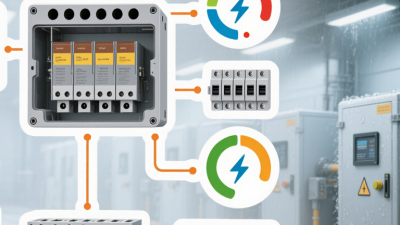
Look for enclosure ratings suited to dust, moisture, and washdown exposure, plus clear short-circuit and temperature-rise documentation. A clean indoor plant room and a damp service corridor do not need the same protection. Check tap-off units, joint access, and fire-barrier requirements along the route.
Small detail, big consequence.
And ratings can be misread: installation conditions may reduce usable capacity, so leave room for engineering review.
Plan Installation Conditions, Space, Connections, and Safety Clearances
How to Choose Bus Duct for Electrical Systems in 2026?
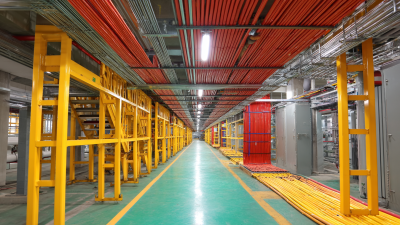
Plan the installation before selecting a bus duct rating. Note the route’s length, elevation changes, indoor or outdoor exposure, and nearby heat sources. Dust, moisture, vibration, and corrosive air can affect enclosure requirements. Measure the actual path, not just the drawing. A neat plan can miss a low beam or a crowded cable tray.
Check available space around every turn, joint, and equipment connection. Allow room for installation, inspection, and future maintenance. Confirm that the duct aligns with switchboards and transformers without forcing connections into place. That last detail is easy to underestimate. Small alignment errors can complicate assembly and place stress on joints.
Review electrical capacity, conductor arrangement, and connection details with a qualified electrical professional. Keep required working and fire-safety clearances around equipment, following applicable local rules and project specifications. Use current layout drawings and installation instructions to verify dimensions before work begins. Field conditions may differ from the original survey, so recheck critical measurements on site. I would not assume a clear route stays clear once other trades arrive. Coordinate early, then verify again before installation.
Evaluate Costs, Maintenance Needs, Standards, and Future Expansion
When choosing bus duct in 2026, compare more than the purchase quotation. Ask for installed costs, including supports, joints, fire stopping, testing, and shutdown labor. A cheaper aluminum run may become expensive when voltage drop, heat, or complex routing increases. Request a five-year cost model. Include energy losses and spare-joint storage. Small omissions matter.
Maintenance needs should shape the enclosure and joint design. Inspectable joints, clear access, and temperature monitoring reduce diagnostic time. Keep records of torque values, insulation resistance, and thermal images. Dusty factories need stronger ingress protection and a realistic cleaning schedule. Outdoor sections require corrosion control and drainage. Maintenance teams should review procedures before installation, not after a fault. This is often missed.
Check the applicable electrical code and the latest editions of relevant IEC, IEEE, or NFPA requirements. Certification alone is not enough. Confirm ratings for short-circuit withstand, temperature rise, fire performance, and seismic conditions. Ask for test reports matching the proposed configuration. Plan expansion with spare capacity, reserved tap-off positions, and accessible routes. Leave room around the duct. Future loads rarely arrive neatly. A practical design may cost more today, yet avoid major shutdowns later. Still, forecasts can be wrong, so avoid oversized systems without a documented load study.