How to Choose the Right Bus Duct in Electrical Systems?
Choosing the right bus duct in electrical systems is crucial for efficiency and safety. Bus ducts serve as a vital means of power distribution. They help in connecting various electrical components while minimizing energy loss. Selecting the appropriate bus duct can seem daunting due to the range of options available.
When evaluating bus ducts in electrical systems, consider your power requirements. Not all installations need the same type of bus duct. Each application has unique demands. For instance, industrial settings may require robust designs, while commercial environments might prioritize space-saving solutions. The right choice affects performance and longevity.
It is important to address potential issues during the selection process. Common mistakes include overlooking cooling requirements and environmental conditions. Pay attention to installation requirements as well. A minor oversight can lead to significant complications. Careful consideration ensures optimal functionality of bus ducts in electrical systems.
Understanding the Basics of Bus Duct in Electrical Systems
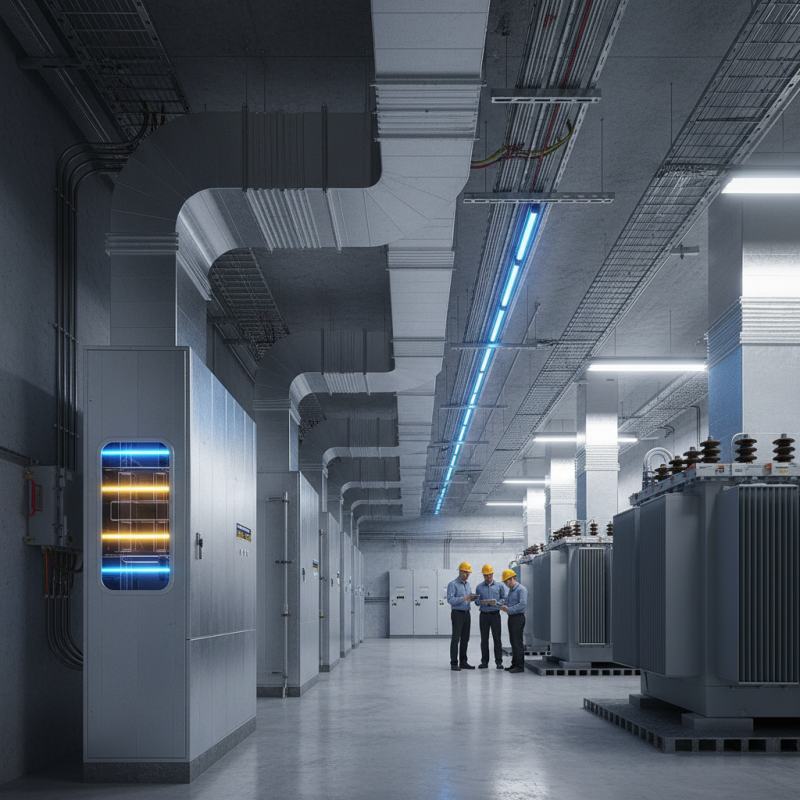
Understanding the basics of bus duct is crucial for efficient electrical systems. Bus ducts provide a safe, reliable method to distribute electricity in commercial and industrial settings. They consist of insulated metal conduits that house electrical conductors. A report by the Electric Power Research Institute indicates that properly selected bus ducts can reduce energy losses by up to 12% compared to traditional wiring.
Choosing the right bus duct involves understanding current capacity, installation environment, and layout requirements. Consider ambient temperature and exposure to contaminants. Overheating can lead to system failures. The National Electrical Manufacturers Association (NEMA) recommends ensuring the bus duct is rated for the specific load and environmental conditions it will face.
Tips: Regular maintenance checks are vital. Inspect for any signs of wear or overheating. This can prevent unexpected downtime. Additionally, consult with a qualified engineer to determine the best specifications. They can provide insights tailored to your facility’s unique needs. There is no one-size-fits-all solution in bus duct selection. Each application is different, requiring careful consideration of all variables.
Identifying Key Factors for Selecting the Right Bus Duct
Choosing the right bus duct for electrical systems requires thoughtful consideration of several key factors. One vital aspect is the ampacity, which denotes the current-carrying capacity of the bus duct. It is essential to match this with your system requirements. Overestimating this can lead to overheating, while underestimating may cause performance issues. Evaluate your load requirements thoroughly.
Another factor involves the installation environment. Bus ducts may be exposed to dust, moisture, and varying temperatures. Selecting the right material to withstand these conditions is crucial. For example, aluminum ducts are lightweight, but copper may offer better conductivity. Each material has its pros and cons, which must be weighed carefully.
Compatibility with existing components is also significant. The bus duct needs to seamlessly integrate into your current system for efficiency. Sometimes, realizing that major modifications are necessary can be a tough pill to swallow. Additionally, safety regulations must be at the forefront of your selection. Failure to adhere to these can result in serious consequences. Balancing these elements requires a clear understanding of both your operational needs and the capabilities of the bus duct options available.
Comparing Different Types of Bus Duct Materials and Designs
When selecting bus duct materials, several options are available, each with distinct advantages and drawbacks. Aluminum bus duct, known for its lightweight nature, has a thermal conductivity of about 60% that of copper. It is often favored in large electrical systems where weight restrictions apply. However, aluminum may require more careful handling due to its propensity for oxidation.
On the other hand, copper bus ducts are renowned for their excellent electrical conductivity and durability. They can handle higher temperature fluctuations and are resistant to corrosion. According to a 2021 industry report, copper bus ducts can sustain over 98% conductivity efficiency, making them a reliable choice for critical applications. However, they come with a higher initial cost, which may not suit all budgets.
Stainless steel options have become increasingly popular in corrosive environments, such as near coastal areas. They provide strength and longevity, albeit at the price of increased weight. Choices must often be made based on the specific environmental conditions and load requirements. While stainless steel can offer durability, its thermal advantages are sometimes overshadowed by higher installation costs. Understanding these material characteristics is essential for effective decision-making in bus duct applications.
How to Choose the Right Bus Duct in Electrical Systems?
| Bus Duct Type |
Material |
Current Rating (Amps) |
Applications |
Advantages |
| Open Bus Duct |
Copper |
800 - 5000 |
Industrial Plants |
Easy maintenance & low cost |
| Enclosed Bus Duct |
Aluminum |
1000 - 4000 |
Commercial Buildings |
Safety & reduced environmental impact |
| Busway Systems |
Stainless Steel |
400 - 2500 |
Data Centers |
High durability & resistance to corrosion |
| Flexible Bus Duct |
Copper Alloy |
600 - 3600 |
Temporary Installations |
Versatile & easy to install |
Evaluating Load Requirements and Electrical Specifications
When choosing the right bus duct for electrical systems, evaluating load requirements and electrical specifications is crucial. Load requirements dictate the amperage that the bus duct must support. Many facilities report that improper load calculations lead to serious failures and safety hazards. A reliable electrical report suggests that up to 30% of facilities face operational challenges due to mismatched bus duct capacity.
Understanding the electrical specifications includes assessing factors like voltage rating, phase configuration, and environmental conditions. Using standardized ratings ensures consistent performance and reliability. It's essential to consider the installation environment; excessive heat or moisture can degrade materials over time, affecting efficiency.
**Tip:** Always verify local electrical codes before finalizing your choice. Compliance can prevent costly modifications later.
**Tip:** Consult with a professional for complex systems. Their expertise can save time and costs.
Failing to prioritize load and specifications can lead to inefficiencies. Regular audits of bus duct systems can prevent many issues. Balancing load and specifications right from the start creates a foundation for long-term operational success.
Considering Installation and Maintenance Aspects of Bus Ducts
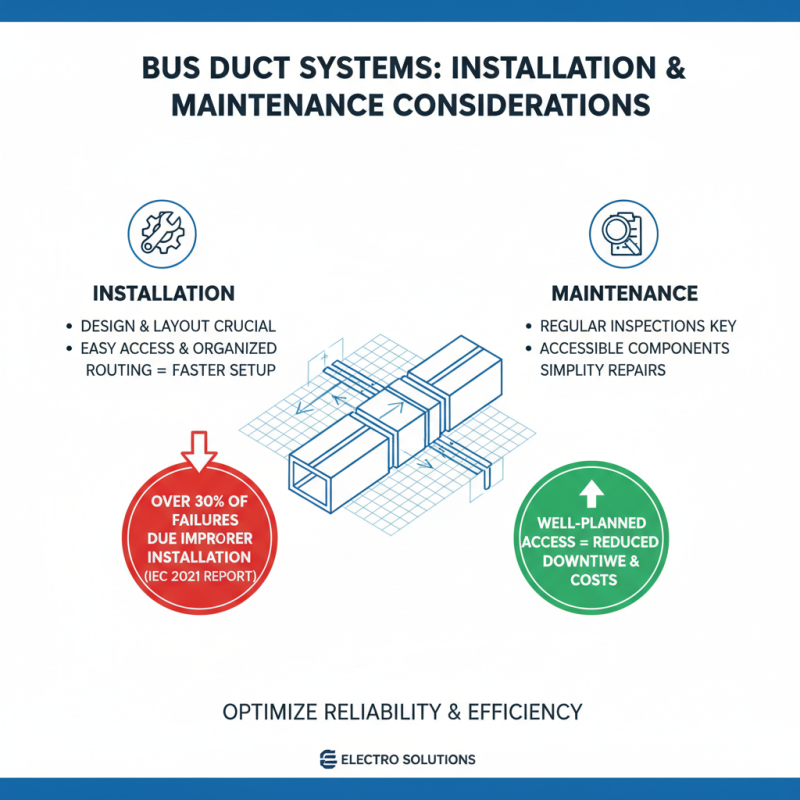
When selecting bus ducts, installation and maintenance play critical roles. The ease of installation typically depends on the design and layout of the electrical system. A 2021 report by the International Electrotechnical Commission (IEC) highlighted that over 30% of electrical failures relate to improper installation. This statistic emphasizes the importance of a well-planned installation process. Clear access points and organized routing of bus ducts can significantly reduce installation time, allowing for potential cost savings.
Maintenance is another vital aspect to consider. Regular checks can prevent major failures and extend the lifespan of the system. According to a study by the Electric Power Research Institute (EPRI), facilities implementing a rigorous maintenance schedule saw a 40% reduction in unplanned outages. However, maintenance often gets overlooked due to budget constraints or the complexity of the bus duct system. Staff needs adequate training on safety protocols and maintenance procedures. Neglecting this can lead to issues down the line.
Finally, while many believe newer bus duct systems require minimal upkeep, the reality is more nuanced. They may still require inspections and potential upgrades. Finding a balance between modern technology and traditional maintenance strategies is essential for reliable electrical systems.