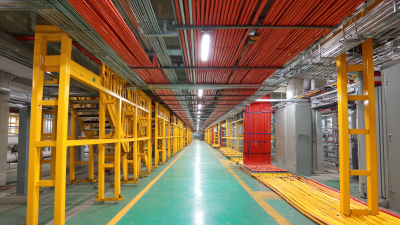
China Top Bus Duct Trunking System for Global Buyers?
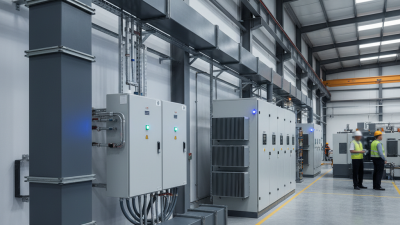
In today's rapidly evolving electrical infrastructure, the demand for efficient and reliable power distribution systems is paramount. One key solution that addresses this need is the Bus Duct Trunking System. This innovative technology simplifies the way power is routed through industrial and commercial settings. It serves as a central channel for electricity, ensuring that energy reaches various equipment quickly and safely.
China has emerged as a leader in manufacturing advanced Bus Duct Trunking Systems. The country's expertise in this area attracts global buyers who seek quality and performance. Chinese manufacturers have invested heavily in research and development, ensuring that their products meet international standards. With cutting-edge materials and designs, these systems cater to the complex needs of modern facilities.
However, the landscape is not without its challenges. Buyers must navigate a vast array of options, which can lead to confusion and uncertainty. It's crucial to evaluate manufacturers on their experience and reliability before making a purchase. As the market continues to grow, the significance of a top-quality Bus Duct Trunking System remains clear. It is essential for ensuring a safe and efficient power supply in any facility.

Overview of Bus Duct Trunking Systems in China
Bus duct trunking systems play a vital role in electrical power distribution in China. These systems efficiently transport electrical energy from transformers to various electrical equipment. In urban infrastructure, where space is limited, bus ducts offer a compact solution. They reduce installation time and improve safety, making them an attractive option for modern construction projects.
The manufacturing process in China is notable for its emphasis on quality and innovation. Advanced materials are used to ensure durability and reliability. These systems are often tested to meet international standards. However, challenges remain in terms of maintenance and inspections. Regular checks are essential to ensure longevity and performance.
Purchasing decisions for bus duct trunking systems are influenced by factors like cost, efficiency, and service life. Efficient systems can lead to significant energy savings, making them a wise investment. Global buyers should carefully evaluate various options available in China, considering their specific needs. Engaging with knowledgeable suppliers can further enhance understanding and trust in the products offered.
Key Manufacturers of Bus Duct Trunking in China
China has emerged as a key player in the global bus duct trunking system market. Several factors drive this growth. The demand for efficient power distribution systems is higher than ever. Reports indicate that the global bus duct market is projected to reach $6 billion by 2025, with a significant portion coming from China.
China's leading manufacturers are enhancing their production capabilities. They invest in technology and innovation. Many companies focus on improving the durability and efficiency of their products. Some manufacturers are exploring the integration of smart technology into bus duct systems. However, issues like inconsistent quality control persist. This raises concerns about reliability among global buyers.
Furthermore, competition is fierce. New entrants continuously emerge, challenging established players. Some newer companies struggle with scalability. They often lack the expertise in quality management systems. Addressing these challenges is crucial for future growth. Buyers must conduct thorough research to ensure they select reliable suppliers.
Features and Benefits of Chinese Bus Duct Trunking Systems
Chinese bus duct trunking systems offer advanced solutions for power distribution. These systems ensure efficient electricity transmission in various settings, from industrial sites to commercial buildings. They are designed to carry high loads and optimize space utilization. One major feature is their modular design, allowing for easy installation and configuration. This adaptability makes them perfect for modern construction needs.
The benefits include enhanced safety and reliability. Many systems come with excellent thermal management features, reducing the risk of overheating. Further, these trunking systems are often constructed from high-quality materials, ensuring durability over time. This durability can lead to lower maintenance costs. However, it is crucial to select the right specifications for your application to avoid performance issues.
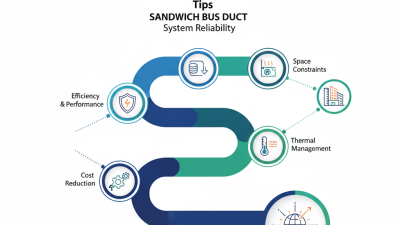
Tips: Always assess the environment where the trunking will be installed. Poor conditions can lead to premature failure. Consulting with experts can ensure the trunking system you choose meets the required standards. Don't overlook the importance of installation quality. A well-installed trunking system avoids complications later on.
Features and Benefits of Chinese Bus Duct Trunking Systems
This chart illustrates the key features and benefits of Chinese bus duct trunking systems based on industry analysis, highlighting performance, efficiency, cost-effectiveness, and installation ease.
Global Market Trends for Bus Duct Trunking Products
Bus duct trunking systems play a vital role in electrical distribution. Recent market reports highlight significant trends shaping this industry globally. For instance, the global bus duct market is projected to reach $3.92 billion by 2027, growing at a CAGR of 6.4% from 2020 to 2027. These figures indicate a robust demand for efficient power distribution solutions.
One key trend is the shift towards prefabricated systems. These systems reduce installation time and labor costs. A study indicates that prefabricated bus duct solutions can cut on-site assembly time by up to 30%. Moreover, the increasing focus on sustainable construction practices is driving innovation. Energy-efficient designs and recyclable materials are becoming common features.
Challenges remain, however. Quality control and compliance with international standards can be inconsistent. Various countries have different requirements, and updating systems for compliance can be costly. Buyers must be vigilant. Working with reputable suppliers who demonstrate strict quality assurance practices is essential in mitigating risks. As the market evolves, focusing on reliable partnerships will be crucial for success.
China Top Bus Duct Trunking System for Global Buyers - Market Trends
| Region |
Market Size (USD Million) |
Growth Rate (%) |
Key Applications |
| Asia-Pacific |
480 |
6.5 |
Commercial Buildings, Industrial Facilities |
| North America |
320 |
5.0 |
Data Centers, Airports |
| Europe |
400 |
4.8 |
Hospitality, Retail |
| Middle East & Africa |
120 |
7.2 |
Infrastructure Developments |
| Latin America |
150 |
5.5 |
Manufacturing, Transportation |
Challenges Faced by Bus Duct Exporters in China
China's bus duct exporters face a myriad of challenges in the global market. One significant hurdle is the intense competition from neighboring countries. Countries like India and Malaysia have made strides in their manufacturing capabilities. This puts pressure on Chinese exporters to constantly innovate. Many firms struggle to keep up with technological advancements.
Another issue is the understanding of international standards. Different regions have unique compliance requirements. This can lead to costly delays in the export process. Some companies find it hard to navigate these regulations. Missteps can result in rejected shipments, which is detrimental to businesses.
Additionally, the logistics of exporting bus duct systems can be complex. The coordination between production and shipping is often flawed. Some exporters lack experience in handling large-scale logistics. This can lead to increased costs and missed delivery deadlines. The need for efficient supply chain management cannot be overstated. However, many companies still rely on outdated practices.