Top 5 Tips for Choosing the Right Sandwich Bus Duct?
Choosing the right Sandwich Bus Duct is crucial for efficient electrical distribution. The right choice can enhance performance, improve safety, and reduce costs. Industry reports indicate that the global market for bus ducts is expected to reach $2.5 billion by 2026, reflecting the rising demand for effective power distribution systems.
Expert James Hartman, a leading authority in electrical engineering, emphasizes, “The quality of your Sandwich Bus Duct can define system reliability.” This statement captures the essence of choosing the right duct. Ensuring optimal size, material, and insulation is vital for longevity and safety.
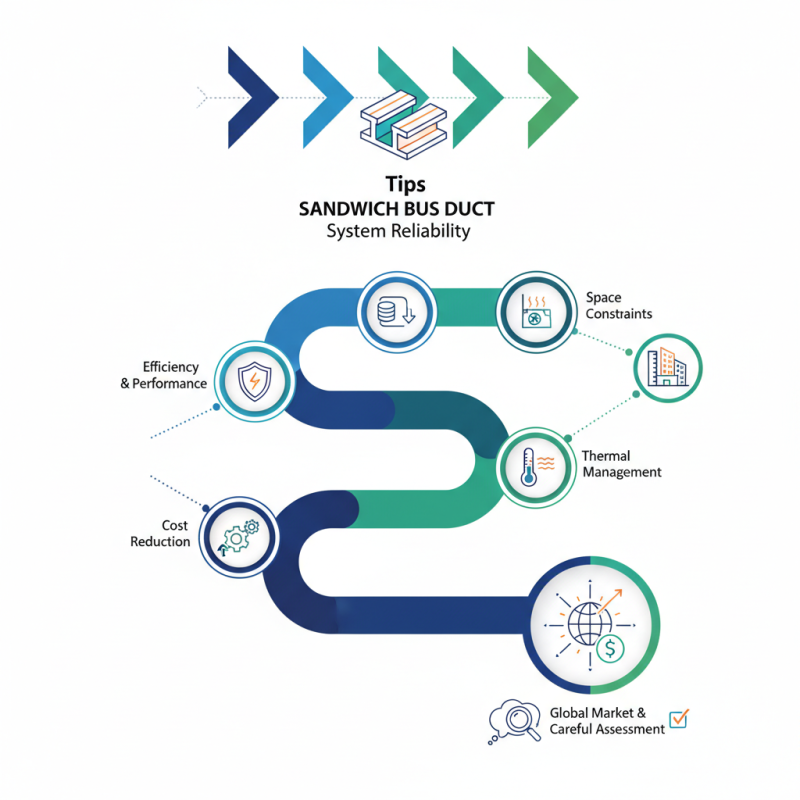
However, not all products meet the standards needed for specific applications. Many businesses can overlook critical factors such as thermal management and space constraints. It's essential to reflect on these aspects before making a selection. Diligently assessing the right Sandwich Bus Duct can lead to profound benefits, both operationally and financially.
Understanding the Basics of Sandwich Bus Ducts
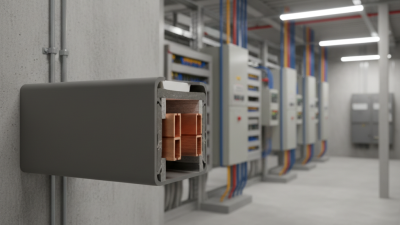
Understanding the basics of sandwich bus ducts is crucial for efficient electrical distribution. Sandwich bus ducts are designed for high-power applications. They combine multiple conductors in a compact form, which helps save space. Industry reports indicate that these systems can cut installation time by 20% compared to traditional methods.
These ducts are often used in commercial buildings and industrial settings. The benefits of using sandwich bus ducts include improved thermal performance and reduced energy losses. A recent study revealed that they can achieve up to 98% efficiency rates in ideal conditions. However, issues like resistance to environmental factors must be considered.
Additionally, proper sizing and reliable materials influence performance. Flaws in design can lead to overheating or insufficient current capacity. Regular inspections are critical to mitigating these risks. Not all installations are perfect, and the learning curve is steep for some engineers. Adhering to best practices will help ensure long-term reliability and efficiency.
Top 5 Factors for Choosing the Right Sandwich Bus Duct
Key Factors to Consider When Selecting a Sandwich Bus Duct
Choosing the right sandwich bus duct is crucial for efficiency and safety in electrical systems. When selecting a sandwich bus duct, consider the electrical load requirements. Calculate the maximum load your system will encounter. This ensures that your duct can handle the electrical capacity without overheating.
Material selection is another key factor. Sandwich bus ducts can be made from various materials, impacting durability and performance. For instance, copper is highly conductive but may be heavier and more expensive. Evaluate what works best for your environment.
Think about installation space and layout. The design of your facility may dictate the size and shape of the duct. A well-fitted duct can enhance efficiency. Additionally, ensure compliance with local codes and regulations. Proper documentation can prevent costly adjustments later on.
Pay attention to maintenance needs. Some bus ducts require more upkeep than others. Understanding maintenance frequency can save you time and money. Reflecting on these factors leads to a more informed choice, helping you avoid common pitfalls in the selection process.
Evaluating the Technical Specifications of Sandwich Bus Ducts
When evaluating sandwich bus ducts, understanding their technical specifications is crucial. These specifications determine their efficiency and reliability in power distribution systems. Look for key metrics like current ratings. Typically, high-quality ducts can accommodate current ratings from 800A to over 5000A. However, choosing the optimal rating requires careful consideration of your load demands.
Each sandwich bus duct comprises materials that influence performance. For example, copper conducts electricity better than aluminum but can be more expensive. Analyzing thermal ratings ensures that the duct can handle heating without risk. Many studies suggest that maintaining optimal temperature within ducts can extend their lifespan by up to 40%.
It's essential to assess the duct's physical dimensions too. A mismatch in size can lead to increased resistive losses. Regular installation checks and long-term service requirements should not be overlooked. Seek out specifications that provide a balance between size, weight, and performance. Always look at the installation space and maintenance needs. A well-chosen sandwich bus duct can optimize operational efficiency and minimize downtime. Prioritize specifications that match your specific operational conditions, and seek expert advice when necessary.
Top 5 Tips for Choosing the Right Sandwich Bus Duct
| Tip |
Explanation |
Technical Specification |
Considerations |
| 1. Assess Electrical Load |
Evaluate the total electrical load that the bus duct will carry to ensure adequate sizing. |
Current rating in Amperes (A) and voltage rating. |
Mismatch may lead to overheating and failure. |
| 2. Choose the Right Material |
Select materials that provide durability and thermal management. |
Aluminum or Copper options for bus bars. |
Consider corrosion resistance based on the installation environment. |
| 3. Review Installation Space |
Measure the available installation area to ensure proper fit. |
Dimensions of the bus duct, including height and width. |
Check clearance requirements for maintenance. |
| 4. Check for Necessary Ratings |
Ensure the bus duct meets national safety and performance standards. |
UL, IEC, or local certification markings. |
Non-compliance can lead to penalties. |
| 5. Evaluate Accessories and Compatibility |
Check for necessary accessories like connectors, supports, and covers. |
Compatibility with existing electrical systems. |
Improper compatibility can hinder performance. |
Assessing the Installation and Maintenance Needs of Bus Ducts
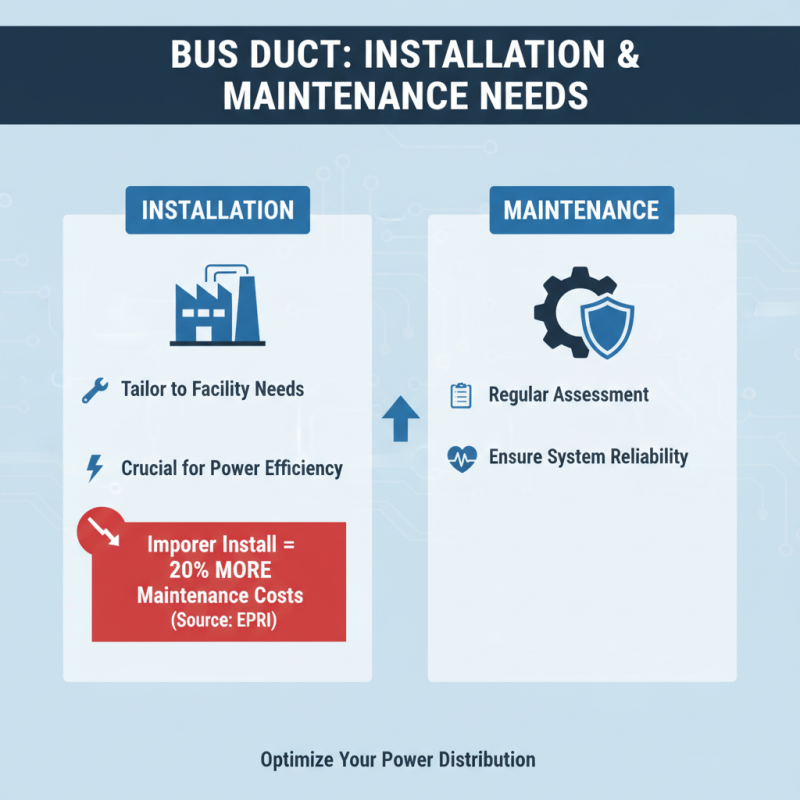
When considering the installation and maintenance of bus ducts, it's essential to assess the specific needs of your operation. Bus ducts are critical for efficient power distribution in industrial and commercial settings. A report from the Electrical Power Research Institute (EPRI) noted that improper installation can lead to increased maintenance costs by up to 20%. This statistic emphasizes the importance of choosing a robust installation method tailored to your facility's unique requirements.
A thorough maintenance plan is vital for the longevity of bus ducts. Regular inspections, typically every six months, can detect issues early. Research indicates that 30% of bus duct failures are due to lapses in maintenance. Investing in a proactive maintenance schedule can mitigate these risks and ensure system reliability. Additionally, involving professionals with extensive experience in power distribution systems increases confidence in both installation and upkeep.
Consider the compatibility of your existing infrastructure. Mismatched components can complicate maintenance. Industry data shows that about 25% of installations face challenges due to compatibility issues. Understanding the installation environment is crucial. Sometimes, slight adjustments can improve performance and reduce downtime. This attention to detail reflects a commitment to operational efficiency and reliability.
Comparing Cost and Performance of Different Sandwich Bus Duct Options
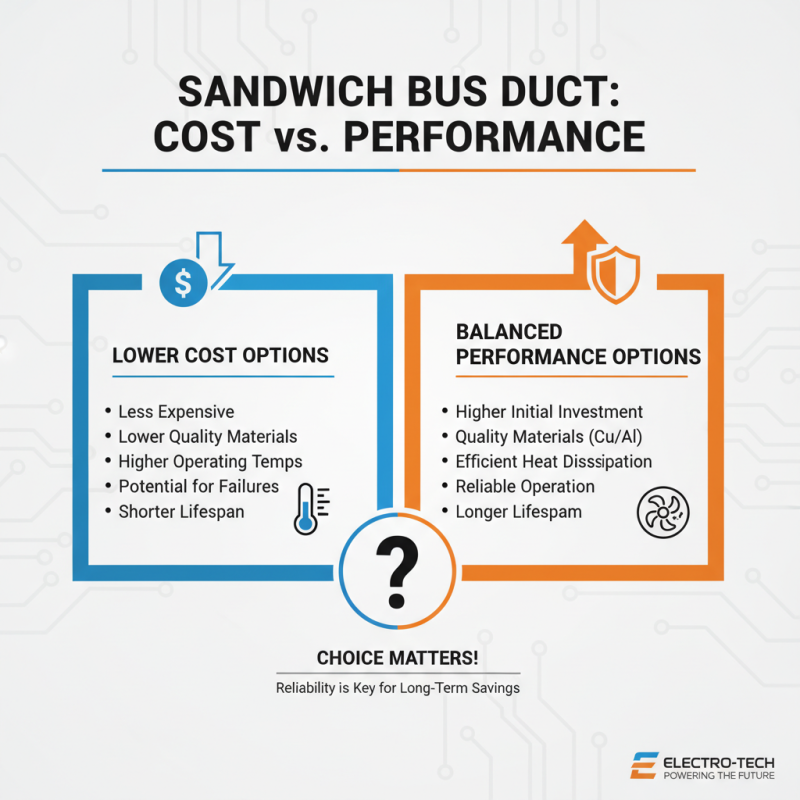
When comparing sandwich bus duct options, cost and performance play crucial roles. A lower price often attracts attention. However, this doesn't always guarantee reliable performance. It’s crucial to understand the materials used in different bus ducts. Some may use lower-quality materials to cut costs. This choice may lead to higher operating temperatures and potential failures.
Performance metrics include efficiency and thermal management. High-quality sandwich bus ducts offer superior thermal insulation, reducing energy loss. While the initial cost may seem high, the long-term savings can be significant. In contrast, cheaper alternatives might save money upfront but can incur higher maintenance costs. Users frequently underestimate these factors. Evaluating warranties and customer service is essential.
Many buyers focus solely on upfront costs. This short-sightedness can lead to long-term issues. Evaluate the expected lifespan of the duct and any installed components. Reassessing the balance between cost and performance is critical. Understanding your facility's specific needs can prevent costly mistakes. Taking the time to analyze different options ensures a more reliable electric distribution system.