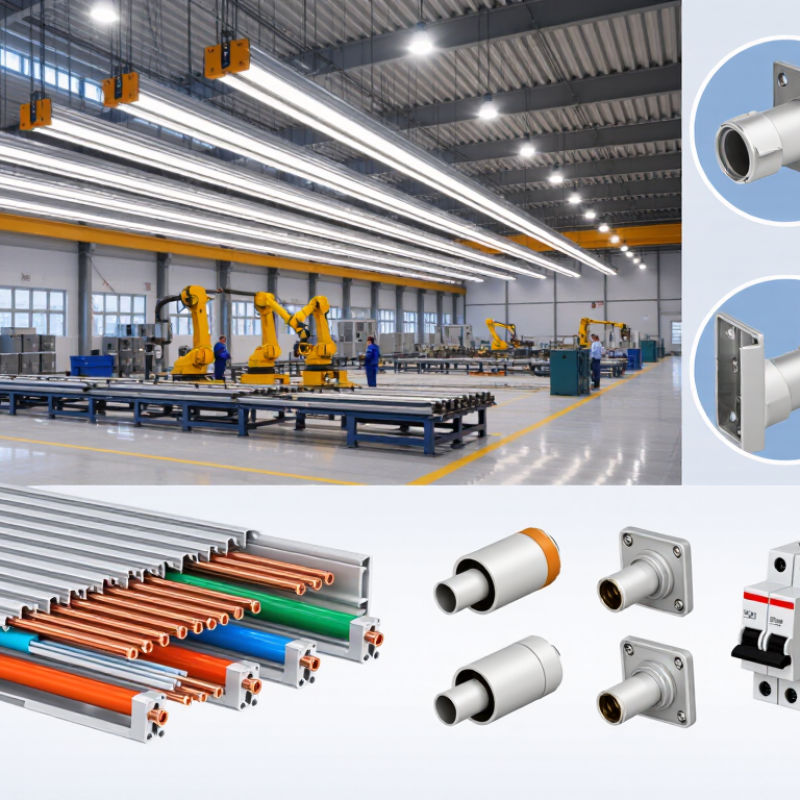
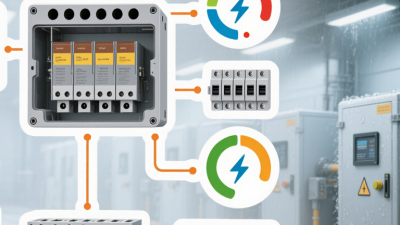
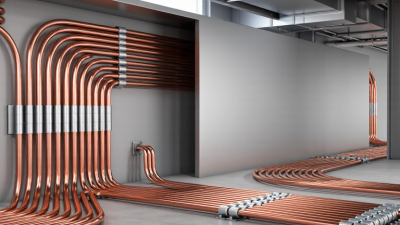
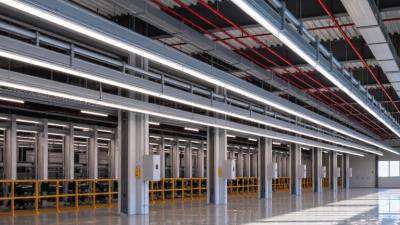
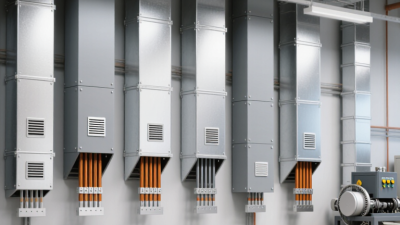
For global buyers, selecting China Top Lighting Busway Manufacturers requires more than comparing prices and product photographs. China has a broad manufacturing base for Lighting Busway systems, supporting commercial buildings, factories, retail spaces, and transport facilities. Experienced suppliers combine copper or aluminum conductors, insulated housings, tap-off units, and practical installation accessories. Their product decisions should reflect real project conditions, including ceiling height, circuit capacity, ambient temperature, and maintenance access. Small details matter.
A dependable manufacturer can explain its design process, testing procedures, and quality controls without relying on vague promises. Buyers should review factory experience, production equipment, sample consistency, and documented inspection records. Relevant standards may include IEC requirements, while destination markets can require additional certifications. These requirements must be verified for each project. A supplier with export experience should also provide clear drawings, wiring information, packaging details, and after-sales support. Good communication is part of product quality.
No supplier is perfect. Catalogs can look convincing, yet field performance may depend on installation and component matching. That is why serious buyers should request samples, confirm conductor ratings, check joint reliability, and discuss warranty conditions before ordering. Factory audits or independent inspections can reveal issues that polished presentations hide. Lead time deserves attention too. Delays in busway sections, breakers, or tap-off boxes can affect an entire construction schedule. This guide examines manufacturers through practical evidence, technical capability, customization support, and supply reliability. The goal is not to praise every supplier, but to help buyers make a careful, informed decision.
A lighting busway is a compact electrical distribution system for rows of luminaires. It contains insulated copper or aluminum conductors inside a protective metal housing. Power travels from a distribution panel through the busway. Plug-in tap-off units then connect individual lights along the route.
This design suits factories, warehouses, retail spaces, and workshops with changing layouts. Installers can add or reposition luminaires without replacing long cable runs. A typical section may include factory-spaced access points, covers, joints, and grounding provisions. Correct assembly matters. Loose joints can create heat, noise, or unreliable operation.
During selection, buyers should check current rating, voltage, conductor material, enclosure strength, ingress protection, and short-circuit performance. The busway must match the building’s protection system and installation environment. Dusty production areas may require stronger enclosure protection than clean commercial rooms. Clearance around joints also supports safer inspection and maintenance.
Experienced manufacturers normally verify conductor temperature rise, insulation performance, mechanical strength, and routine production quality. Buyers should request test records, installation instructions, and clear warranty terms. Site measurements deserve attention. A small routing error can force awkward bends or extra sections. I have found that drawings often look simple, while real ceilings contain pipes, beams, and sprinklers. That gap deserves a careful review.
China’s lighting busway industry is organized around a layered manufacturing network. Engineering firms develop conductor layouts, insulation systems, and installation drawings. Specialized factories then produce copper or aluminum conductors, housings, joints, and tap-off units. Assembly plants test the completed sections before export. This separation allows flexible production, although it can weaken traceability when subcontractors change.
The China Electrical Equipment Industry Association reports strong domestic demand for low-voltage distribution equipment as infrastructure and commercial construction expand. National Energy Administration data shows China’s electricity consumption reached about 9.22 trillion kWh in 2023. That scale encourages manufacturers to improve modular distribution systems, including lighting busways. The International Energy Agency has also reported that lighting represents roughly 15% of global electricity consumption. Efficiency is not a decorative issue.
Quality control usually follows IEC 61439 principles for low-voltage assemblies. Factory engineers check temperature rise, insulation resistance, conductor alignment, and joint torque. Export-oriented producers often maintain separate teams for compliance documents, sample approval, and container loading. Smaller workshops may offer lower prices, but their inspection records can be uneven. That is a real concern. Buyers should verify test reports, material certificates, production photos, and after-sales procedures before placing large orders. The industry is capable and practical, yet its organization remains less transparent than many global buyers expect.
Lighting busways are compact power distribution systems for retail, factories, offices, and warehouses. Common types include enclosed busways, plug-in busways, and low-profile track systems. Enclosed designs protect conductors from dust and accidental contact. Plug-in models support flexible lighting changes. Low-profile tracks suit areas with limited ceiling space.
Conductors usually use copper or aluminum. Copper offers strong conductivity and lower voltage drop. Aluminum reduces weight and may lower project cost. Housings often use galvanized steel or aluminum. Insulation can include PVC, epoxy, or other tested materials.
Important technical features include current rating, voltage rating, IP protection, joint temperature rise, and tap-off capacity. Field inspections often find that joint quality affects reliability more than expected. That detail deserves attention.
Tips: Match the busway rating to real load data, not only estimated fixture wattage. Check voltage drop across long runs. Confirm plug spacing before installation. Request test reports, dimensional drawings, and sample joints. Ask about ambient temperature limits. Small omissions become expensive later. In my view, connector access is often underestimated.
Buyers should also review fire performance, grounding continuity, mechanical strength, and maintenance access. A durable system should allow secure connections without excessive tools. Installation instructions must be clear for local contractors. Specifications are rarely perfect on the first draft. Recheck ceiling height, suspension spacing, and future circuit changes before approval. A practical sample installation can expose alignment problems early.
When global buyers evaluate China’s lighting busway manufacturers, price should not lead the decision. Examine production experience, engineering records, and product consistency. Ask how copper conductors, insulation, housings, and joints are tested. A reliable supplier should provide clear drawings, load data, temperature-rise results, and traceable inspection records. Factory visits can reveal practical details, such as clean assembly areas, calibrated tools, and organized sample storage. Online presentations alone are not enough.
Tips: Request a sample joint before placing a large order. Check contact pressure, enclosure fit, labeling, and installation time. Compare declared ratings with independent test reports. Confirm whether the factory supports your voltage, frequency, fire-safety, and installation requirements. Speak with recent overseas customers when possible. Their feedback may expose delays that a brochure hides.
Also assess technical communication after receiving the quotation. Competent teams ask about ceiling height, route length, tap-off positions, ambient temperature, and maintenance access. They should explain tolerances instead of promising perfection. In practical procurement, response speed matters, but accurate answers matter more. A rushed reply can create expensive redesign work. No evaluation is flawless; even a strong factory may struggle with customized schedules. Keep written specifications, approve drawings carefully, and test the first shipment before scaling procurement.
China Top Lighting Busway Manufacturers for Global Buyers
Sourcing, Certification, and Delivery Considerations for Global Buyers
Choosing a lighting busway manufacturer requires more than comparing unit prices. Experienced buyers review conductor material, rated current, voltage, IP protection, and tap-off compatibility. Ask for drawings before discussing final quantities. Small connector differences can delay installation. Very quickly.
Request product samples and a controlled production sample. Check housing quality, joint alignment, insulation, and contact resistance. For international projects, verify applicable IEC requirements and market-specific approvals, such as CE, RoHS, or UL certification. Certificates should match the exact model, not a similar product. An ISO 9001 certificate supports process control, but it does not replace product testing.
Delivery planning needs equal attention. Confirm lead times for samples, tooling, mass production, and spare parts. Require an inspection report before shipment, including electrical tests and visual checks. Export packaging should protect long aluminum or copper sections from bending and moisture. Agree on Incoterms, shipping documents, carton markings, and responsibility for damage. Factory acceptance testing can expose issues early.
A practical concern is communication. Technical answers may sound complete but remain vague. Request measurable values and signed specifications. A low quotation can hide expensive modifications later. No checklist catches every issue. Procurement teams should review tolerances, installation conditions, and local approval requirements with qualified engineers before payment. Mistakes are still possible, especially when drawings change late.
| Evaluation Category | Buyer Data Point | Practical Benchmark or Requirement | Recommended Verification Evidence | Delivery and Project Impact |
|---|---|---|---|---|
| Product Type | Busway application | Confirm whether the system is designed for lighting distribution, power distribution, or both. Lighting systems commonly use compact plug-in or tap-off points for repeated fixture connections. | Technical datasheet, single-line diagram, installation manual, and application reference list without confidential customer information. | Using the correct system type reduces redesign risk and helps ensure that tap-off units match the intended load arrangement. |
| Electrical Rating | Rated current and voltage | Low-voltage busway systems are commonly specified from approximately 25 A to 6,300 A, with rated voltage typically up to 1,000 V AC. The selected rating must exceed the calculated continuous load. | Routine test report, type-test documentation, nameplate sample, and load-calculation review. | Higher current ratings may require larger conductors, stronger supports, additional testing, and longer production time. |
| Conductor Material | Copper or aluminum conductors | Copper generally offers higher conductivity in a smaller cross-section, while aluminum can reduce material weight and cost. Material selection should follow the project temperature-rise and voltage-drop calculations. | Material declaration, conductor cross-section drawing, conductivity or resistance test data, and bill of materials. | Conductor choice affects weight, shipping volume, joint design, cost, and installation labor. |
| Compliance | Busbar trunking standard | For international low-voltage busway projects, IEC 61439-6 is a key reference for busbar trunking systems. Additional regional requirements may apply depending on the destination market. | Valid type-test or design-verification documentation identifying the tested configuration and applicable standard edition. | Missing or incomplete compliance documents can delay technical approval, customs clearance, or project handover. |
| Ingress Protection | IP rating | Select the enclosure protection level according to the installation environment. IP ratings are classified under IEC 60529; indoor dry areas and dusty or humid areas may require different protection levels. | IP test report, enclosure construction drawings, gasket details, and installation limitations. | Higher IP protection may require additional sealing, inspection, and packaging controls. |
| Safety Certification | Market-specific approval | Certification requirements depend on the destination country, project specifications, and electrical authority. A certificate should cover the actual product family and rated configuration being purchased. | Certificate scope, issuing-body details, test reports, declaration of conformity, and traceable product model information. | Certification review should be completed before purchase order release to avoid rework or shipment holds. |
| Temperature Performance | Temperature-rise limits | Busway selection should consider ambient temperature, installation orientation, enclosure design, grouping, and continuous load. Temperature-rise performance must be supported by applicable verification or test evidence. | Temperature-rise test report, derating tables, installation spacing requirements, and thermal calculation data. | High ambient temperatures or tightly grouped runs may require derating, larger ratings, or revised routing. |
| Mechanical Design | Joint and support arrangement | Review joint covers, torque requirements, hanger spacing, expansion provisions, tap-off locking, and compatibility with the building structure before finalizing quantities. | Shop drawings, installation method statement, torque chart, support-load data, and sample joint assembly. | Incomplete support or joint information can cause site delays and additional installation materials. |
| Customization | Route length and tap-off layout | Provide accurate run lengths, bends, flanges, end-feed units, center-feed units, reducers, fire barriers, and tap-off positions. Custom sections should be approved against coordinated drawings. | Approved shop drawings, coordinated BIM or CAD files, cut-list, and signed bill of quantities. | Late dimensional changes can affect manufacturing sequence, packing configuration, and shipment consolidation. |
| Quality Control | Factory inspection plan | Define incoming-material inspection, dimensional checks, insulation-resistance testing, dielectric testing where applicable, continuity checks, torque verification, and final visual inspection. | Inspection and test plan, quality records, calibration certificates, and pre-shipment inspection report. | Pre-shipment inspection helps identify assembly or documentation issues before international transport. |
| Production Planning | Indicative manufacturing lead time | For standard configurations, a typical planning allowance is about 4–8 weeks after drawing approval and deposit confirmation. Complex custom systems may require more time. | Written production schedule showing engineering approval, material procurement, assembly, testing, packing, and dispatch milestones. | Lead time should begin only after technical documents, payment terms, and final quantities are confirmed. |
| Sample Approval | Prototype or first-article review | For large projects, approve a representative joint, tap-off unit, enclosure section, or connection assembly before mass production when feasible. | Sample approval record, dimensional checklist, photographs, and signed deviation list. | Early approval reduces the probability of repeating nonconforming production across the full order. |
| Packaging | Export protection | Use moisture-resistant internal protection, edge protection, clear identification, shock-resistant packing, and packing lists matched to route numbers and crate numbers. | Packing specification, photographs before container loading, crate markings, and gross/net weight list. | Proper packing reduces corrosion, impact damage, missing-part claims, and installation delays at destination. |
| Shipping | Delivery planning | Allow time for production, pre-shipment inspection, export documentation, ocean or air transit, destination customs, and inland delivery. Actual transit time varies by route and season. | Commercial invoice, packing list, transport document, certificate of origin where required, and agreed Incoterms® rule. | Critical-path projects should include schedule contingency for customs inspections, port congestion, and document corrections. |
| Commercial Terms | Quotation comparability | Compare prices using the same conductor material, current rating, IP rating, accessories, testing scope, packing standard, delivery term, warranty, and spare-parts requirement. | Line-item quotation, technical compliance matrix, exclusions list, payment schedule, and warranty terms. | A low initial price may exclude tap-offs, supports, testing, export packing, or destination-related charges. |
| After-Sales Support | Installation and replacement support | Confirm availability of installation guidance, spare joint kits, tap-off replacements, troubleshooting support, and document revisions for the expected service period. | Service procedure, spare-parts list, response-time commitment, warranty policy, and recommended maintenance schedule. | Accessible technical support can reduce commissioning time and minimize downtime caused by missing or damaged components. |

Note: The benchmarks above are general planning references for global buyers. Final ratings, certifications, lead times, and delivery conditions must be confirmed against the approved project design, destination-country regulations, and the supplier’s current technical documentation.