Best Sandwich Bus Duct Solutions for Global Buyers?
In the competitive landscape of electrical infrastructure, Sandwich Bus Duct solutions have gained significant traction among global buyers. Renowned industry expert, Dr. Emily Chen, emphasizes their efficiency, stating, "Sandwich Bus Duct systems enhance power distribution while minimizing space requirements." This statement reflects the growing preference for compact and versatile solutions.
Global buyers, both large and small, face challenges when sourcing Sandwich Bus Ducts. Many options exist, yet the variation in quality and design can create confusion. It is essential to strike a balance between cost and reliability.
Not all suppliers uphold the same standards. Some products may lack the durability needed for demanding environments. Understanding these nuances can guide buyers in making informed decisions. By investing time in research, one can identify the best Sandwich Bus Duct solutions tailored to specific needs.

Best Sandwich Bus Duct Solutions Overview: Key Features and Benefits
When exploring the best sandwich bus duct solutions, understanding their key features and benefits is crucial. Sandwich bus ducts are notably efficient for distributing electrical power in commercial buildings. Their layered design minimizes electrical losses and enhances safety. Research indicates that these systems can reduce energy consumption by up to 20%, contributing significantly to lower operational costs.
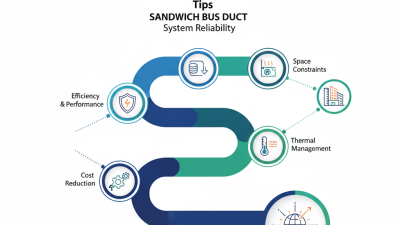
These ducts are often preferred for their compact size. They save valuable space inside control rooms and electrical distribution centers. This attribute is especially beneficial in urban environments where every square foot counts. Additionally, their insulation capabilities improve thermal management in electrical systems, which is vital for maintaining optimal performance.
Tip: Regular maintenance checks can enhance the longevity of sandwich bus ducts. Keep an eye on installation quality, as poor installation can lead to performance issues.
Choosing a reliable manufacturer is essential. Look for certifications and industry standards compliance before making a purchase. The market's evolving technologies continually present challenges and opportunities for improvement, urging buyers to stay informed. Being proactive about seeking out the latest data and trends can make a significant difference in your decision-making process.
Market Analysis: Growth Trends in Sandwich Bus Duct Industry
The sandwich bus duct industry is witnessing notable growth, driven by the demand for efficient electrical distribution solutions. According to a recent market report, the global sandwich bus duct market is projected to grow at a CAGR of 6.5% from 2021 to 2028. This growth reflects increasing investments in infrastructure projects and the rising need for reliable energy transmission systems across various sectors, including industrial and commercial applications.
In terms of regional growth, Asia-Pacific is expected to dominate the market. Factors influencing this include rapid urbanization and the expansion of renewable energy projects. Moreover, advancements in manufacturing technology are enhancing the operational efficiency of sandwich bus ducts. The benefit of modular designs facilitates easier installation and maintenance, which attracts more buyers. However, the market does face challenges. For instance, fluctuations in raw material prices can impact production costs significantly. Stakeholders should remain vigilant to ensure their strategies address these uncertainties.
Ultimately, analyzing market trends reveals both opportunities and challenges for investors and manufacturers. The focus on energy efficiency and sustainability should guide future innovations in the sandwich bus duct sector. Understanding consumer demands and regulatory measures will be crucial for success in this evolving landscape.
Global Sandwich Bus Duct Market Growth Trends (2020-2025)
Comparative Review of Leading Sandwich Bus Duct Manufacturers
When considering sandwich bus duct solutions, comparing leading manufacturers is essential. Each manufacturer offers unique features and specifications for their products. Understanding these differences can help buyers make informed decisions to fit their specific needs.
For optimal performance, evaluate the insulation materials used in sandwich bus ducts. Higher insulation ratings can significantly impact energy efficiency. Additionally, consider the design and sizing options. A well-designed duct system ensures minimal power loss and enhances overall safety.
Tips: Always check for compliance with local regulations. Some manufacturers may not meet specific standards that ensure reliability. Request technical documentation to understand performance metrics better. Lastly, user reviews and case studies provide valuable insights into real-world applications, helping you assess the manufacturer’s credibility. Make sure to reflect on your operational requirements to avoid overestimating your needs.
Best Sandwich Bus Duct Solutions for Global Buyers
| Manufacturer |
Current Rating (A) |
Material |
Insulation Type |
Temperature Rating (°C) |
Application |
| Manufacturer A |
1600 |
Aluminum |
Epoxy |
90 |
Industrial Facilities |
| Manufacturer B |
1200 |
Copper |
Polyester |
70 |
Commercial Buildings |
| Manufacturer C |
2000 |
Steel |
PVC |
95 |
Data Centers |
| Manufacturer D |
1400 |
Aluminum |
Fiberglass |
85 |
Manufacturing Plants |
Technological Innovations Enhancing Sandwich Bus Duct Efficiency
The evolution of sandwich bus duct technology has brought significant improvements in efficiency. Recently, advancements like advanced materials and unique designs have enhanced performance. These innovations reduce energy losses and improve thermal management. The use of lightweight composite materials helps minimize structural weight, making installations easier.
However, the journey of innovation is not without challenges. Many manufacturers face limitations in integrating traditional practices with new technologies. The variability in installation practices can lead to efficiency gaps. Addressing these inconsistencies is crucial for maximizing performance. Additionally, continuous cooling technologies are still being refined. A balance between cost and innovation remains a pressing issue for many companies.
Despite these hurdles, the global demand for reliable, efficient bus duct solutions continues to grow. By focusing on sustainable practices and technological advancements, manufacturers can enhance their products. Stakeholders must remain adaptable and open-minded to drive future innovations in sandwich bus ducts.
Global Regulatory Standards Impacting Sandwich Bus Duct Solutions
The global market for sandwich bus duct solutions faces various regulatory standards. These standards guide product design, safety, and environmental impact. As global buyers, understanding these regulations is crucial for compliance and product selection.
Different regions have unique requirements. For instance, some countries emphasize fire safety regulations. Others focus on energy efficiency and material sustainability. Buyers should review local codes and standards. This awareness can affect purchasing decisions significantly. Failure to comply may lead to penalties or product recalls.
Finding the right balance between quality and compliance is challenging. Some solutions might excel in one region but fall short in another. Constant adaptations to regulations can make it hard to maintain uniformity in products. It’s essential to stay updated on industry trends and regulatory shifts to ensure reliability and efficiency in sandwich bus duct systems.