Best Bus Bar Solutions for Your Electrical Needs?
When exploring the best bus bar solutions for your electrical needs, understanding their significance is essential. A bus bar acts as a crucial component in electrical distribution systems. It efficiently channels electricity and connects various circuits. Its reliability directly impacts the performance of electrical installations.
Choosing the right bus bar can seem daunting. Factors such as material, size, and installation method all play a role. Aluminum and copper are common materials, each with unique benefits. A well-designed bus bar enhances efficiency, but pitfalls exist. Overloading or improper installation can lead to failures.
Ultimately, selecting the best bus bar solution requires careful consideration. Engaging with experts in the field is vital. They can guide you through the options. Knowledgeable professionals can help prevent costly mistakes. Prioritize reliability to ensure the safety and performance of electrical systems.
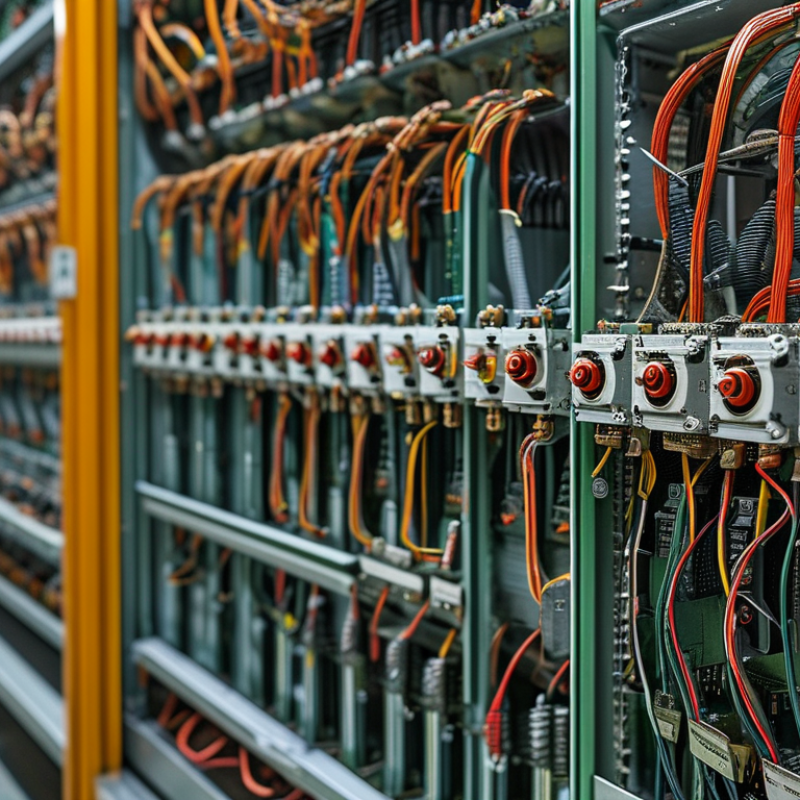
Overview of Bus Bar Solutions in Electrical Systems
Bus bars are crucial components in electrical systems, providing a reliable means of conducting electric current. They serve as a central point for power distribution, connecting various electrical devices like generators, transformers, and circuit breakers. This solution enhances system efficiency and simplifies wiring by minimizing the use of multiple cables. The design of bus bars allows for better heat dissipation, reducing the risk of overheating.
Choosing the right bus bar solution requires careful consideration. Factors such as current rating, material, and environmental conditions play a significant role in performance. For instance, copper bus bars are preferred for high conductivity, while aluminum bars are lighter and more economical. Understanding these details can help ensure that the electrical system operates safely and efficiently. However, there are often trade-offs. The cost implications of upgrading to higher quality materials should not be overlooked, as reliability might suffer when using lower-grade options.
Installation can also present challenges, particularly in space-constrained environments. Proper insulation and adequate clearance are critical to prevent electrical faults. While bus bars simplify many aspects of power distribution, any oversight can lead to significant issues. A thoughtful approach to design and installation is essential for achieving optimal performance and safety in electrical systems.
Types of Bus Bars: Material and Design Considerations
When it comes to selecting bus bars for electrical systems, both material and design play critical roles. Copper and aluminum are the two most common materials used in bus bar construction. Copper offers excellent conductivity and resistance to corrosion, making it ideal for high-performance applications. However, it is heavier and more expensive than aluminum. On the other hand, aluminum is lighter and more cost-effective but has lower conductivity. Therefore, evaluating the specific electrical requirements is essential for making the right choice.
In terms of design, factors such as thickness, width, and connectivity are vital components. Thicker bus bars can handle higher currents but may also introduce weight and space constraints. The width influences the distribution of electrical flow, affecting efficiency. Furthermore, design features like insulation can prevent short circuits and enhance safety. While pre-fabricated options are available, custom designs may better meet specific installation challenges. Reflecting on these considerations may lead to better outcomes in electrical setups. Remember, each choice has its trade-offs, and careful planning is key.
Key Factors in Choosing the Right Bus Bar for Your Project
Selecting the right bus bar for your project involves careful consideration of several key factors. According to the International Electrotechnical Commission, proper current rating is critical. Bus bars must handle the expected load without overheating. Overloading can lead to insulation breakdown and catastrophic failures. The National Electrical Manufacturers Association recommends a 25% safety margin above maximum expected current.
Material choice is another vital element. Copper is commonly used for its excellent conductivity. Aluminum offers weight benefits but has higher resistance. A study by the IEEE found that copper bus bars have about 20% less energy loss than their aluminum counterparts in high-load applications. This is pivotal when considering long-term operational costs.
Size and configuration also matter. Bus bars must fit within designated space constraints while allowing for thermal expansion. Improper sizing may lead to efficiency loss. Additionally, installation ease should not be overlooked. Complex setups can increase labor costs and time. Thus, attention must be given to practical aspects alongside technical specifications.
Installation Best Practices for Bus Bar Systems
When installing bus bar systems, attention to detail is crucial. Proper alignment of the bus bars ensures optimal connectivity. Utilize appropriate mounting hardware to secure the bars firmly. This prevents movement and potential arcing, which can lead to failures. Ensure that electrical connections are tight and clean to minimize resistance. Regular inspection of these connections can reveal any signs of wear or corrosion.
Ventilation is also essential for bus bar installations. These systems can generate heat, especially under heavy loads. Adequate airflow will help maintain safe operating temperatures. Consider using thermal pads for additional heat dissipation if necessary. It's vital to monitor the temperature during operation, as overheating can result in significant damage.
Documentation is key during installation. Record each step taken and any specific measurements. This creates a reference for future maintenance or troubleshooting. While these guidelines are effective, it's important to reflect on inconsistencies. Each installation may present unique challenges requiring tailored solutions. Engage with experienced professionals to collaborate and innovate.
Best Bus Bar Solutions for Your Electrical Needs? - Installation Best Practices for Bus Bar Systems
| Solution Type |
Material |
Current Rating (A) |
Voltage Rating (V) |
Installation Best Practice |
| Standard Copper Bus Bar |
Copper |
300 |
600 |
Ensure proper insulation and spacing |
| Aluminum Bus Bar |
Aluminum |
250 |
480 |
Use anti-oxidizing compound on joints |
| Tin-Plated Bus Bar |
Copper with Tin Coating |
200 |
600 |
Check for uniform tin coverage |
| Bus Bar for High Current |
Copper |
600 |
1000 |
Use wider cross-sections and thermal management |
| Insulated Bus Bar |
Copper with Insulation |
150 |
400 |
Check insulation integrity regularly |
Maintenance and Safety Tips for Bus Bar Applications
Proper maintenance of bus bar systems is crucial for ensuring performance and safety. Research indicates that over 40% of electrical failures in industrial settings stem from poor maintenance practices. Regular inspections can prevent overheating and potential failures. It's essential to check connections for signs of corrosion and wear, as these can significantly impact efficiency.
Safety protocols should be in place during maintenance. Workers must wear appropriate personal protective equipment. Statistical data reveals that nearly 30% of electrical accidents occur during maintenance activities due to inadequate safety measures. Furthermore, the installation environment should be clean and dry, minimizing risks of short circuits or electrical fires.
Pay attention to thermal management as well. Proper cooling solutions can enhance the lifespan of bus bars. Data shows that maintaining optimal thermal conditions can reduce operational failures by up to 20%. Considering these factors, ongoing education on maintenance and safety is crucial for facility managers. This knowledge can reduce risks and enhance the reliability of bus bar systems.
Best Bus Bar Solutions for Your Electrical Needs
This chart represents the conductivity levels of various bus bar materials commonly used in electrical applications. Understanding the conductivity of different materials is essential for selecting the best bus bar solution for efficient power distribution.