How to Choose the Right Bus Bar for Your Project Needs?
Choosing the right Bus Bar for your project is crucial. A Bus Bar serves as a central point for distributing electrical power. Selecting the correct Bus Bar can enhance efficiency and ensure safety.
Different projects may require various Bus Bar types. Consider factors such as material, size, and current rating. A poorly chosen Bus Bar can lead to overheating or failures. This makes the selection process vital to electrical system reliability.
Understanding your project needs is essential. Each application might demand unique specifications. Take time to assess environmental conditions and load requirements. Reflecting on these details helps in making informed decisions. The right Bus Bar can significantly impact overall system performance.
Understanding Bus Bars: Definition and Purpose
Bus bars are vital components in electrical distribution systems. They serve as a pathway for electrical current, connecting various electrical devices and ultimately ensuring efficient power distribution. Understanding their purpose is essential for any project involving electrical systems. According to a recent report from the International Electrotechnical Commission, well-designed bus bars can increase system efficiency by up to 15 percent. This improvement can significantly impact the overall performance of electrical systems in commercial and industrial settings.
When selecting a bus bar, consider factors such as material, current capacity, and dimensions. Copper and aluminum are the most common materials, each with unique benefits. Copper offers lower resistance and is often used in high-current applications. Aluminum, while lighter and cheaper, may require larger cross-sectional areas to handle the same current. Additionally, dimensions need to be precise to meet safety standards and avoid overheating. The Institute of Electrical and Electronics Engineers recommends careful calculations to ensure the selected bus bar meets the specific load requirements of the project.
Some challenges persist in the selection process. Often, project managers may overlook the importance of temperature ratings. If a bus bar operates at elevated temperatures without adequate ventilation, the risk of failure increases. A study by the National Electrical Manufacturers Association found that improper thermal management leads to a 25 percent increase in maintenance costs. Taking time to understand the specifications can lead to better long-term reliability and efficiency.
Types of Bus Bars: Common Variations Explained
When selecting a bus bar, understanding its types is crucial for efficient power distribution. There are several variations available, each tailored for specific applications. Copper and aluminum are the most common materials. Copper bars conduct electricity well and have high durability. However, they can be heavier and more expensive. Aluminum, while lighter and cost-effective, may require larger dimensions for the same current capacity.
Another variation is insulated bus bars. These provide extra safety in environments where direct contact with conductive materials is a risk. They often include a protective layer, which can help prevent short circuits. Additionally, there are bus bars designed for outdoor use. These are built to withstand harsh weather conditions and corrosion. The choice between these options depends on your project's specific requirements, including load, environmental hazards, and space constraints.
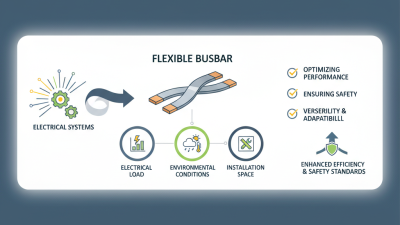
Flexibility is another aspect to consider. Some designs allow for future expansions or modifications. Adapting to new technology should not be an afterthought. Striking the right balance between cost and efficiency is challenging. It requires careful thought and expert guidance. Always evaluate the long-term implications of your choice. Making informed decisions today can prevent complications tomorrow.
Types of Bus Bars: Common Variations Explained
Factors to Consider When Selecting a Bus Bar
When selecting a bus bar, several factors are crucial. Understanding electrical load requirements is essential. Estimates indicate that the average bus bar can handle currents ranging from 100 to 1,500 amps. Choosing a bus bar rated higher than your projected load ensures safety and reliability. Overloading may lead to overheating and potential failure.
Material choice significantly impacts performance. Copper and aluminum are both popular for bus bars. Copper offers higher conductivity, allowing for more compact designs. However, it comes at a higher cost, making aluminum a viable choice for larger applications. Research shows aluminum bus bars can effectively reduce material costs by 30% while still meeting performance standards.
Temperature tolerance is another critical factor. Bus bars must operate within a specific temperature range to prevent failure. Different applications require varying levels of thermal resistance. For instance, industrial environments may expose bus bars to drastic temperature fluctuations. An adequate thermal management strategy, such as proper ventilation or heat sinks, is essential for longevity. Always consider these elements carefully; neglecting them can lead to costly revisions in your project.
Calculating Electrical Load Requirements for Bus Bars
When selecting a bus bar for your project, calculating electrical load requirements is crucial. Start by assessing the total current needed for your application. This includes every device that will draw power from the bus bar. For instance, if you have several heaters and motors, note their amperage ratings. This step is essential to ensure the bus bar can handle the load. Oversized or undersized bus bars can lead to inefficiencies or hazards.
Consider the environmental conditions as well. Temperature variations can impact how much current a bus bar can safely carry. If the bus bar is in a hot location, its capacity may decrease. Ensure you account for these factors in your calculations. Do not rush through this process. Misjudgments can lead to overheating or equipment failure.
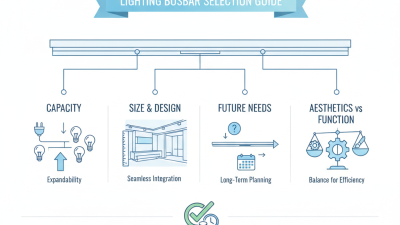
Thinking about future expansions is also important. You might want to add more devices later. Ensure your calculations allow wiggle room for unexpected increases in load. Using a bus bar that barely meets current needs can limit flexibility. Take your time to plan accurately. This reflective approach will help you avoid costly mistakes and create a safer power distribution system.
Installation and Safety Tips for Effective Bus Bar Use
When installing a bus bar, safety should be a top priority. Always ensure that the bus bar is rated for the specific load it will carry. This involves checking power specifications and understanding the installation environment. Proper ventilation can help avoid overheating. Consistently monitor the connections to prevent issues that could lead to failures.
It's crucial to use high-quality materials for your bus bar. Inferior materials might save costs initially but can lead to more significant expenses in the long run. Choose a bar that meets the industry standards for conductivity and durability. Furthermore, pay attention to the physical layout. An organized setup reduces the risk of accidents during maintenance.
Regular inspections are necessary to ensure optimal performance. Look out for signs of wear or corrosion, as these can compromise safety. Documentation is vital. Keep records of installations and inspections to maintain accountability. Always involve experienced professionals for complex setups. Their expertise can significantly enhance the effectiveness and safety of the bus bar system.