How to Choose the Best Busbar Systems for Your Needs?
Choosing the right busbar systems can be daunting. They are crucial for efficient power distribution in commercial and industrial settings. According to John Smith, an expert in electrical engineering, "Selecting the proper busbar system is essential for maximizing performance and safety."
Busbar systems come in various types and configurations. This variety can make decision-making challenging. You must consider factors like current rating, environmental conditions, and space constraints. Each choice has its own implications. Selecting the wrong busbar could lead to inefficiencies or safety hazards.
It's important to reflect on your specific needs and challenges. This process ensures you choose a busbar system that aligns with your operational goals. Take time to evaluate all options. Don't rush decisions; the right solution can significantly impact your project's success. Your choice will define the reliability of your power distribution.
Understanding Busbar Systems and Their Applications
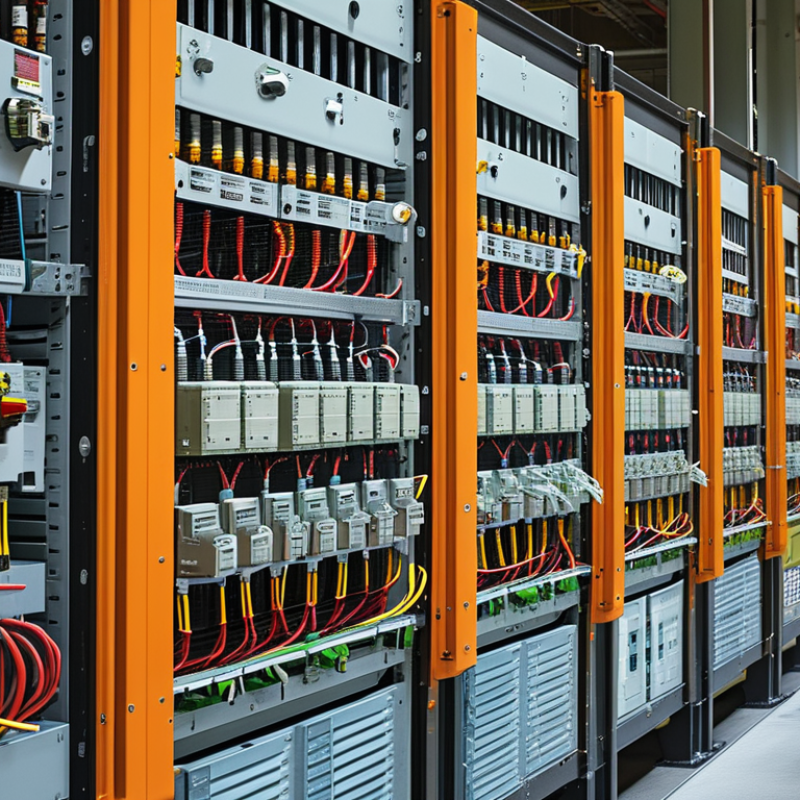
Busbar systems are vital in electrical distribution. They provide a solution for managing power flow in commercial and industrial settings. These systems consist of conductive bars that distribute electricity efficiently. Their primary benefit is enhancing safety while reducing installation complexity. Properly designed busbars can save space and minimize overheating, making them suitable for modern applications.
Understanding busbar applications is crucial. They are used in substations, power plants, and data centers. Each application requires different designs and materials. For instance, higher current capacities demand thicker bars and robust insulation.
Regular maintenance is necessary to ensure reliability, but this can often be overlooked. Many facilities neglect comprehensive testing, which can lead to unexpected failures.
Choosing the right busbar system requires careful analysis. It’s vital to consider current ratings, physical space, and future expansion needs. Common mistakes include underestimating load requirements or oversizing the system. Investing time in proper selection can prevent costly errors. Educating yourself about busbar technology is critical. Engaging with professionals can provide valuable insights. These factors contribute significantly to the effectiveness of your power distribution strategy.
Key Factors to Consider When Selecting Busbar Systems
When selecting busbar systems, consider several key factors. The first aspect is the current rating. Ensure the busbar system can handle the maximum electrical load. Overloading can lead to failures or even hazards. Additionally, think about the material. Copper and aluminum are common choices. Copper offers superior conductivity but may be heavier and more expensive. Aluminum is lightweight but may require larger dimensions to carry the same current.
Another critical factor is insulation. High-quality insulation can prevent electrical leakage and protect against short circuits. Look for systems that meet industry safety standards. Consider the installation space as well. Some systems need more room for connections and maintenance. Designing for future expansion is crucial too. If you foresee increased capacity needs, your busbar system should be adaptable.
Lastly, evaluate the system’s thermal performance. Efficient heat dissipation maintains operational reliability. Poor thermal management can cause unexpected downtime. Regular maintenance should also be part of your considerations. Reflect on past experiences, as they can provide insight into what works best. Balancing these factors allows you to choose the right busbar system for your specific requirements.
Types of Busbar Systems: Which One Suits Your Needs?
Choosing the right busbar system can significantly impact the efficiency of your electrical distribution. Various types of busbars are available, each designed for specific applications and environments. Common options include copper, aluminum, and flexible busbars. Copper busbars are known for their excellent conductivity and durability, making them suitable for high-current applications. In contrast, aluminum busbars are lighter and more cost-effective, though they may have lower conductivity.
Flexible busbars offer adaptability in design and installation, ideal for large-scale systems or areas with complex layouts. According to the International Electrotechnical Commission, copper busbars can handle currents up to 2000A, making them prevalent in industrial settings.
Tip: Evaluate the environments your busbar will face. Factors like temperature, humidity, and mechanical stress should influence your choice.
When assessing busbar systems, consider installation ease as well. Some designs can be more complicated than others, impacting labor costs and time. Moreover, reflect on future needs; expanding the system might require additional work if initial choices are too rigid.
Tip: Always consult with industry professionals when selecting a busbar system. Their insights can save you from costly mistakes.
Evaluating Performance and Safety Standards for Busbar Systems
When selecting busbar systems, performance and safety standards are crucial. You should consider the system's load capacity, thermal performance, and short-circuit protection. High-quality materials enhance durability and conductivity, while efficient design minimizes energy loss.
Tips: Look for systems that provide thorough testing results. Systems should meet national and international safety standards. This ensures reliability in critical applications.
Always assess the installation environment. Factors like temperature, moisture, and dust can impact system performance. Inadequate protection against these elements may lead to failures.
Tips: Consult with experts who understand specific applications. They can help you navigate complexities. Prioritize safety features such as insulation and arc flash protection.
Evaluating these aspects leads to informed decisions. Strive for quality to enhance long-term safety and efficiency. Engage with knowledgeable professionals to gain insights into industry standards and best practices.
Busbar Systems Performance Evaluation
Cost Analysis: Budgeting for Busbar System Installation and Maintenance
When budgeting for a busbar system, initial costs can be daunting. The average installation cost ranges from $5 to $20 per ampere, depending on the type and configuration. Maintenance costs should not be overlooked, as they typically account for 15-25% of the total system's lifetime expenses. This can lead to significant financial implications for businesses.
In addition to raw costs, consider long-term efficiency. Reports suggest that effectively designed systems can enhance energy efficiency by up to 20%. However, poorly executed installations may lead to overheating and increased operational costs. It's vital to assess the layout and load requirements carefully.
Failures can occur, especially from underestimating the system's future demands. Upgrading or expanding an inadequate system is often more expensive than investing upfront in the right solution. Thus, engaging with industry experts can provide insights into your specific needs and help prevent costly mistakes.
How to Choose the Best Busbar Systems for Your Needs? - Cost Analysis: Budgeting for Busbar System Installation and Maintenance
| Busbar Type |
Material |
Installation Cost (per meter) |
Maintenance Cost (per year) |
Lifespan (years) |
Current Rating (A) |
| Aluminum Busbar |
Aluminum |
$30 |
$200 |
20 |
1000 |
| Copper Busbar |
Copper |
$50 |
$300 |
25 |
1500 |
| Conductive Composite Busbar |
Composite |
$40 |
$250 |
30 |
1200 |