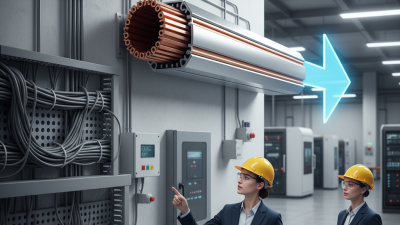
In the rapidly evolving electrical infrastructure market, the demand for high-quality Cast Resin Bus Duct is consistently rising. As industries look to enhance energy efficiency and safety, suppliers from around the globe are seeking reliable partnerships with top manufacturers. Dr. Jane Li, a well-respected expert in electrical engineering, states, "The reliability of Cast Resin Bus Duct systems directly impacts energy management and safety." This highlights the critical nature of this technology.
China has emerged as a prominent player in the Cast Resin Bus Duct industry. Renowned suppliers are leveraging advanced technologies to deliver innovative solutions. They focus on durability, ease of installation, and environmental considerations. However, potential buyers must remain vigilant. Not all suppliers offer the same level of expertise or reliability. Each choice can significantly affect project outcomes and long-term performance.
Selecting the right partner in this sector requires a thoughtful approach. Buyers should evaluate suppliers based on their track record and product certifications. Engaging with manufacturers who prioritize quality ensures better performance and reduced risks. The landscape of Cast Resin Bus Duct sourcing is complex, but informed decisions can lead to successful partnerships and optimal energy transitions.
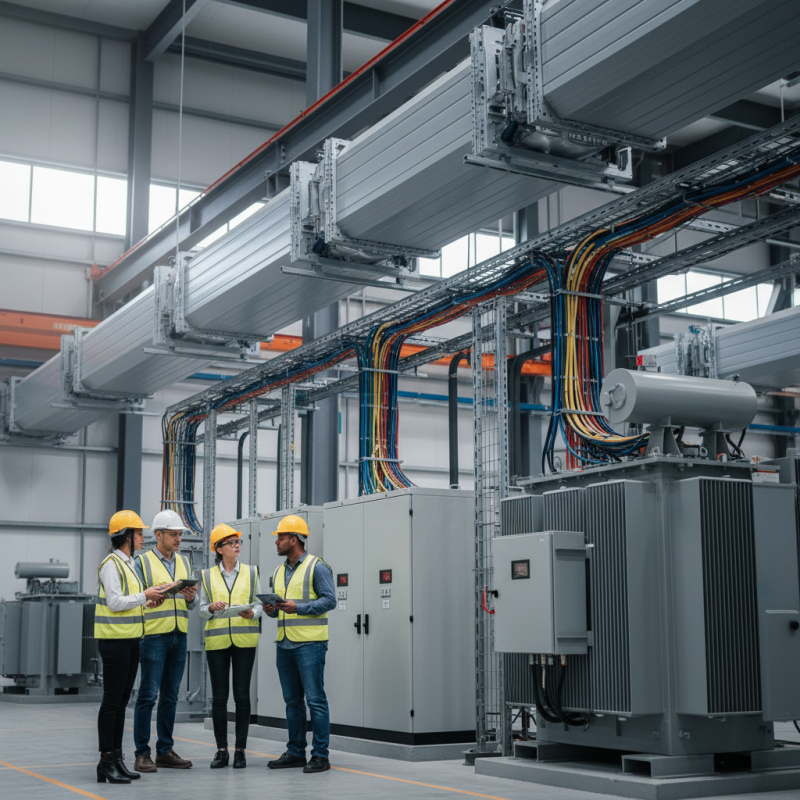
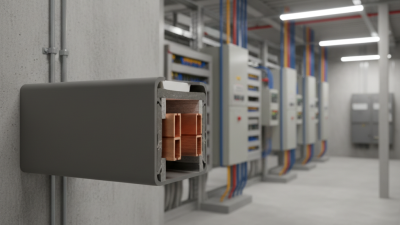
Cast resin bus ducts play a vital role in modern electrical systems. They manage high electrical currents and ensure safety in various applications. These ducts are often found in industrial settings, commercial buildings, and data centers. Their design provides durability and resistance to environmental factors. They can handle extreme temperatures and humidity levels, which adds to their reliability.
One of the critical advantages of cast resin bus ducts is their compact design. They save space, which is often a precious commodity in many facilities. However, installing these systems requires careful planning. Miscalculations can lead to equipment failure or safety risks. Engineers must consider load requirements, as well as installation environments, to achieve optimal performance.
In addition, these ducts are often more expensive than traditional metal options. While they offer superior insulation and safety, the initial cost can be a concern for some buyers. This aspect necessitates a thorough cost-benefit analysis. Buyers should assess not only the upfront costs but also the long-term savings on maintenance and energy efficiency. Balancing immediate costs with long-term benefits can be challenging but crucial for making informed decisions.
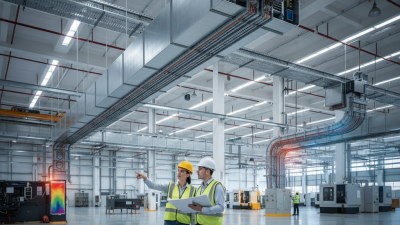
China is a significant player in the global cast resin bus duct manufacturing industry. The market size for cast resin products in China is projected to reach approximately $3 billion by 2025, according to industry reports. This growth is driven by rising demand for efficient electrical systems and increased investments in renewable energy. Cast resin bus ducts offer excellent performance in harsh environments, making them a preferred choice in various sectors.
Several key companies dominate this landscape. They utilize advanced technology and skilled labor to enhance product quality. However, challenges exist. Many manufacturers struggle with supply chain disruptions caused by global demand fluctuations. Moreover, maintaining consistent quality across different production batches remains an ongoing issue. This inconsistency can impact projects that rely on high-quality components.
Despite these challenges, the future looks promising. The need for energy-efficient solutions is set to drive innovation in this field. Increased collaboration among manufacturers could lead to better resource management. However, addressing quality assurance is critical for sustaining growth. These dynamics illustrate the complexity of the cast resin bus duct market in China.
The cast resin bus duct market is experiencing notable growth in 2023. According to industry reports, the global market size is expected to reach USD 1.2 billion by the end of the year. This growth is driven by the increasing demand for reliable electrical infrastructure. Requiring minimal maintenance, cast resin bus ducts are favored across various sectors, including commercial and industrial applications.
Additionally, the push for energy efficiency plays a significant role. Industry experts indicate that these bus ducts can improve energy performance by up to 20%. This rising trend reflects a shift towards sustainable solutions. However, some challenges persist, such as the high initial investment costs. Companies must weigh their options carefully, balancing long-term savings against upfront expenses.
Regional growth varies, with Asia-Pacific leading in demand. Reports suggest that approximately 40% of the global market is sourced from this area. Factors include rapid industrialization and urbanization. Many manufacturers may need to rethink their strategies to meet evolving customer needs. It’s crucial for stakeholders to stay updated on market trends. Keeping an eye on this sector can provide opportunities for innovation.
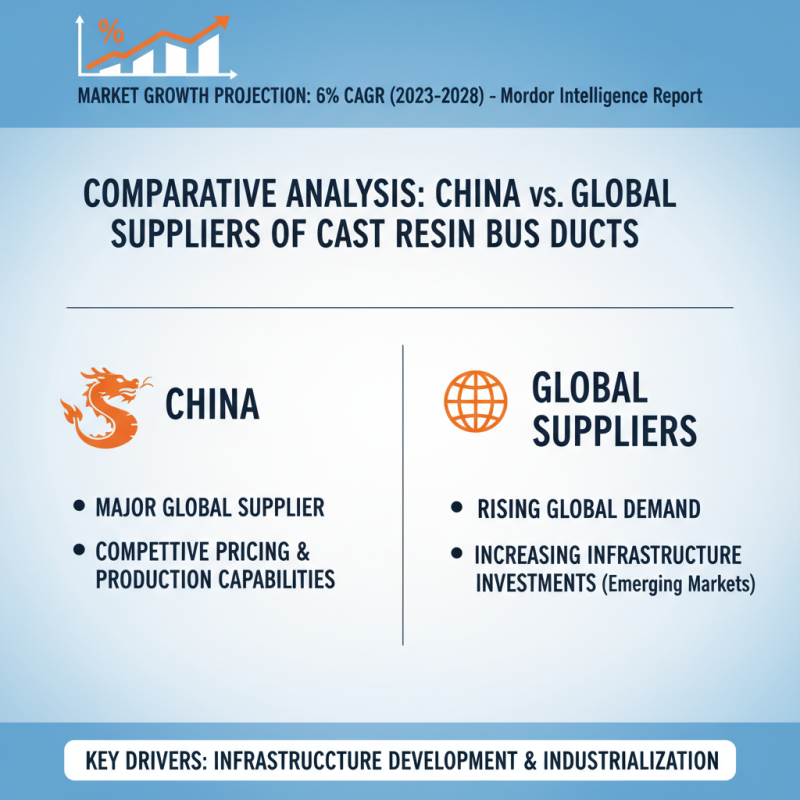
The demand for cast resin bus ducts is rising globally. China has emerged as a major supplier due to competitive pricing and production capabilities. According to a recent market report by Mordor Intelligence, the market for cast resin bus ducts is projected to grow at a CAGR of around 6% from 2023 to 2028. This growth signifies increasing infrastructure investments, especially in emerging markets.
However, when comparing Chinese suppliers with global competitors, several factors come into play. Quality control varies among regions. Some Chinese manufacturers maintain high standards that match international certifications, while others may not. It’s a point of concern for buyers. Furthermore, lead times can differ significantly. Chinese suppliers often promise shorter delivery timelines, but their reliability can be inconsistent.
Price remains a significant factor. Many buyers find that Chinese options offer substantial cost savings—up to 30% lower than those from Western markets. Nonetheless, potential buyers should conduct thorough evaluations of suppliers. Issues such as after-sales service and warranty conditions should not be overlooked. As supply chain disruptions continue to affect the industry, assessing all angles remains crucial for smart purchasing decisions.
The demand for cast resin bus ducts is rising globally, driven by advancements in electrical infrastructure. Quality standards play a crucial role in this sector. Various certifications can indicate the reliability and safety of these products. Common certifications include IEC 61439 and UL 857. These standards ensure that the ducting systems can withstand harsh conditions and maintain performance efficiency.
In recent data, approximately 70% of manufacturers reported that adhering to international quality standards improved their market reach. Buyers are more inclined to choose products that meet stringent guidelines. A survey indicated that 65% of consumers prioritize safety and compliance over cost.
Tips: Always verify the certifications of the bus duct before purchase. Engaging with suppliers who maintain high-quality control is essential. Not all products labeled 'high-quality' meet the necessary benchmarks. It is wise to request test reports and performance data from suppliers. This approach can save time and costs in the long run.