2026 How to Choose the Best Bus Duct Trunking System?
Choosing the right Bus Duct Trunking System is crucial for efficiency in electrical distribution. Reports indicate that improper selection can lead to energy losses of up to 30%. Industry expert, Dr. Emily Carter, emphasizes that "the right bus duct system reduces risks and boosts overall performance."
Different systems cater to various industrial needs. Factors like capacity, installation ease, and maintenance impact decision-making. A poorly chosen system may result in unnecessary costs and downtime. Understanding these elements is essential for engineers and facility managers alike.
While many systems meet basic requirements, not all provide the durability or flexibility needed for specific environments. For example, in high-temperature scenarios, certain materials may not hold up. Attention to these details ensures long-term reliability. Reflecting on past choices leads to better outcomes in future projects.
Understanding Bus Duct Trunking Systems and Their Importance
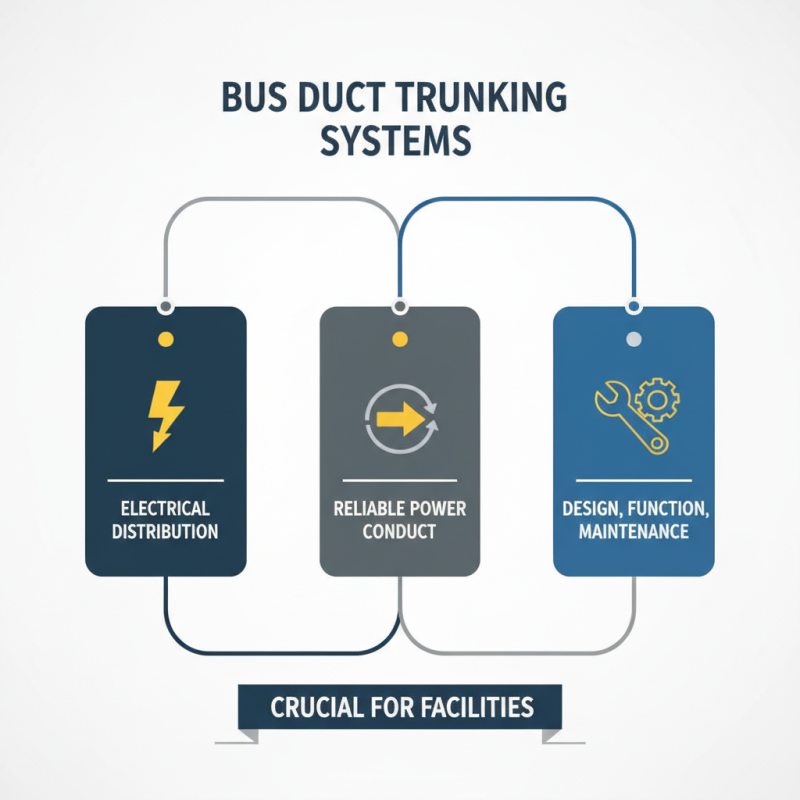
Bus duct trunking systems play a crucial role in electrical distribution. They provide a reliable method for conducting electrical power throughout facilities. Understanding their design and functionality is key for effective implementation and maintenance.
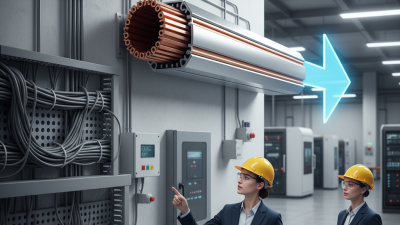
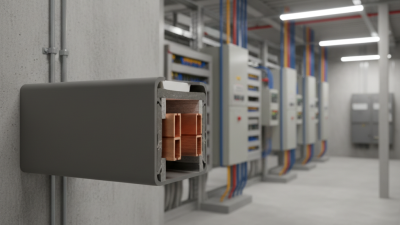
These systems consist of multiple conductors housed in a protective enclosure. This construction enhances safety and reduces the risk of electrical hazards. The materials used vary significantly, impacting durability and thermal performance. Regular assessments of the system's integrity are necessary. Over time, wear and tear can lead to performance issues.
Choosing the right system involves considering various factors. The environment, load capacity, and installation space all matter. A well-suited bus duct enhances efficiency. However, improper selection can result in significant challenges. It’s essential to evaluate features meticulously. Understanding the operational demands of your facility is imperative for optimal results. Always seek professional advice when in doubt.
Key Factors to Consider When Choosing a Bus Duct Trunking System
When selecting a bus duct trunking system, several key factors must be considered. The material of the trunking is crucial. It impacts durability and resistance to environmental conditions. Aluminum is lightweight and offers good conductivity. Steel provides strength, though it is heavier and may need extra support.
The design flexibility is another important aspect. A system should accommodate future expansions or modifications. Projects can evolve, requiring adaptability in layout. Consider also the ease of installation and maintenance. A complex system can increase labor costs and downtime, making simple designs more appealing.
Lastly, safety features cannot be neglected. Ensure that the bus duct system meets required safety standards. Overheating is a concern; proper heat dissipation is essential. Not all products provide adequate protection, so it's wise to analyze your options thoroughly. Balancing these factors is necessary for a reliable choice, as each project has unique demands.
Types of Bus Duct Trunking Systems Available in the Market
When selecting a bus duct trunking system, understanding the available types is crucial. There are primarily three types: metal enclosed, insulated, and busway systems. Metal enclosed systems are common due to their durability. Their robust design can withstand harsh environments, making them suitable for industrial applications. According to a recent report, metal enclosed systems cover approximately 45% of the global market.
Insulated bus ducts offer enhanced safety. They reduce the risk of electrical faults and accidents. This type accounted for about 30% of sales in the last fiscal year, reflecting growing safety concerns in electrical installations. Within this category, there are some challenges, such as higher costs and complex installation processes that require skilled labor.
Busway systems focus on flexibility and efficiency. They allow for easier changes and maintenance. They represent about 25% of the market share now and are increasingly popular. However, the effectiveness of busway systems depends heavily on design choices and installation practices. Inadequate planning can lead to inefficiencies, and some facilities may not fully utilize their potential.
2026 How to Choose the Best Bus Duct Trunking System?
| Bus Duct Type |
Material |
Current Rating (A) |
Application |
Key Features |
| Standard Bus Duct |
Aluminum |
800 - 5000 |
Commercial Buildings |
Lightweight, Cost-effective |
| Heavy Duty Bus Duct |
Copper |
1200 - 6000 |
Industrial Facilities |
High Conductivity, Durable |
| Modular Bus Duct |
Stainless Steel |
600 - 4000 |
Data Centers |
Flexible Installation, System Expansion |
| Thermal Insulated Bus Duct |
Fiber Reinforced Polymer |
500 - 3000 |
Power Plants |
Heat Resistant, Energy Efficient |
Evaluating the Performance and Efficiency of Bus Duct Systems
When selecting a bus duct trunking system, performance and efficiency are crucial factors. A well-designed duct system can enhance electrical distribution while minimizing energy loss. Common metrics to evaluate include thermal performance, load capacity, and installation ease. Ensuring proper heat dissipation helps to avoid overheating and prolong the life of the system.
Efficiency is also about optimizing space. A compact design can reduce the installation footprint and save valuable real estate. Look for systems that are modular and flexible enough to adapt to changing needs. This adaptability can lead to long-term cost savings.
Not all systems are perfect, and one must consider potential drawbacks. Some may have higher initial costs or complexities in maintenance. Assessing long-term operational efficiency is essential. Reflect on real-world performance feedback to gauge reliability. A system that works great on paper may not meet actual demands. Seek insights from experienced professionals in the field to navigate these considerations wisely.
Installation and Maintenance Tips for Bus Duct Trunking Systems
When selecting a bus duct trunking system, proper installation and maintenance are crucial. These systems are essential for reliable power distribution in commercial and industrial settings. According to a report by the International Electrotechnical Commission (IEC), improper installation can lead to efficiency losses of up to 30%.
For optimal performance, ensure that the installation site is clean and dry. Dust and moisture can compromise the system’s function. Additionally, attaching the trunking securely to walls or ceilings prevents movement that could damage connections. Pay close attention to cable sizing and ensure they are compatible with the trunking.
Regular maintenance is vital. Inspect joints and connections for wear and tear. Over time, thermal expansion may loosen fittings, leading to inefficiencies. For optimal safety, conduct thermal imaging checks at least annually. These allow you to identify hot spots before they become severe issues.
Consider implementing a maintenance schedule. This includes routine inspections and cleaning the trunking of any dirt or debris. Addressing minor repairs immediately can prevent expensive failures down the line. Proper records of maintenance activities enhance accountability and allow for performance tracking.