2026 How to Choose the Best Busway Trunking System?
Choosing the right Busway Trunking System is crucial for efficiency and safety in electrical installations. In recent years, the global market for busway trunking systems has witnessed significant growth, projected to reach over $6 billion by 2026. According to industry expert Dr. John Miller, "The right Busway Trunking System can drastically improve energy distribution and minimize downtime." His insights underline the importance of selecting a system tailored to your specific needs.
Various factors influence the choice of a busway system. Load capacity, installation flexibility, and environmental conditions play a key role. While many products offer impressive specifications, not all are suitable for every project. It's essential to evaluate both performance metrics and real-world reliability. For example, a system that excels in a laboratory may struggle in a harsh industrial setting.
Reflecting on past installations reveals common pitfalls in busway selection. Some projects abandoned reliable systems for cheaper alternatives, leading to frequent failures and costly repairs. This emphasizes the necessity of thorough research and expert consultation. Ultimately, investing time in selecting the best Busway Trunking System pays off in long-term performance and overall reliability.
Understanding Busway Trunking Systems: An Overview
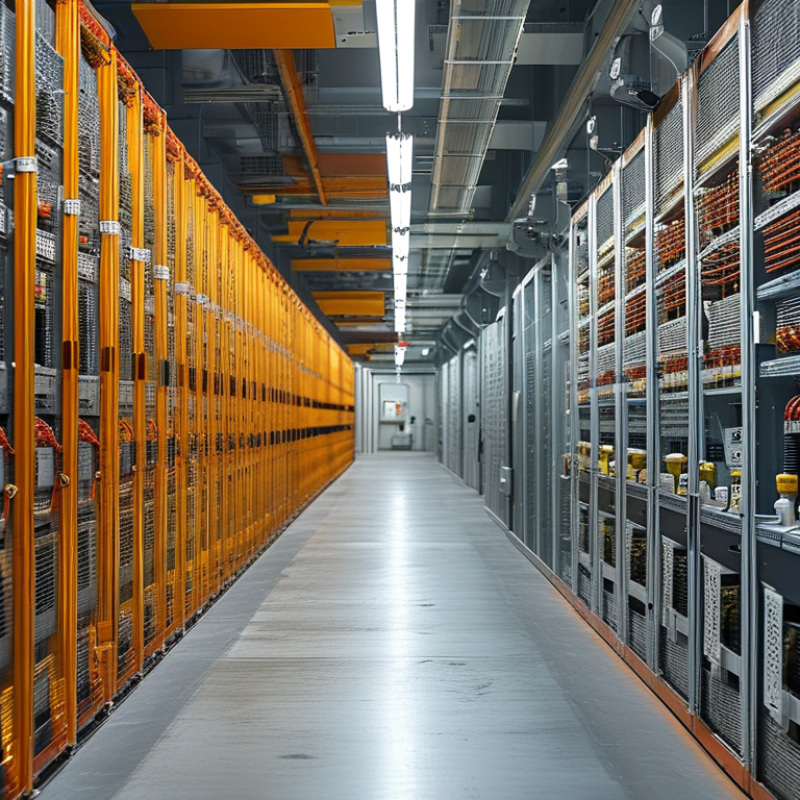
Busway trunking systems are integral to modern electrical distribution. They efficiently conduct electricity while simplifying installation and maintenance. According to industry reports, over 35% of commercial and industrial facilities are implementing such systems. These systems reduce installation time by nearly 50%, leading to significant project cost savings.
Understanding busway systems involves recognizing their components and benefits. They consist of enclosed conductors, often made from aluminum or copper. This design minimizes electrical losses and enhances safety. Additionally, modular designs allow for easy expansion or reconfiguration, which is essential in dynamic environments. In fact, studies show that facilities utilizing busway systems see a 30% reduction in downtime during electrical upgrades.
However, several challenges exist. Selecting the right busway system can be confusing. Factors like amperage ratings, installation space, and environmental conditions play crucial roles. A poorly chosen system can lead to inefficiencies and increased operational costs. Maintaining an adequate balance between performance and cost can be a demanding task for many organizations.
Key Factors to Consider When Choosing a Busway Trunking System
When choosing a busway trunking system, consider several key factors. First, evaluate the installation environment. Will it be indoors or outdoors? The system needs to withstand environmental conditions. Make sure it meets the requirements of your specific location.
Another important factor is the load capacity. Different systems support varying power levels. Carefully assess the current and voltage requirements of your electrical setup. An inadequate design may lead to overheating or even system failure.
Tips: Always consult with an expert when unsure about capacity needs. Sometimes, overestimating requirements can be costly in other ways.
Maintenance is also crucial. Reliable systems require less upkeep. Look for options that are easy to clean or inspect. A poorly maintained trunking system can jeopardize safety and lead to expenses down the road.
Tips: Regular checks can prevent serious issues. Make a schedule to ensure every part is functional. Keeping a documented history of maintenance helps identify patterns in performance.
Comparing Different Types of Busway Trunking Systems
Selecting the right busway trunking system is essential for any electrical infrastructure. Various types, including insulated busbars and traditional cable ducts, offer distinct advantages. According to recent industry reports, insulated busways show a 15% increase in efficiency compared to older systems. They provide better heat dissipation and reduced maintenance needs, making them a popular choice.
However, these sophisticated systems can be costlier upfront. Data from a 2022 market analysis indicates that initial investments in insulated busways can be 20% higher than traditional solutions. Yet, long-term savings on energy and maintenance often offset this. Evaluating your specific requirements is critical. Factors such as load capacity, installation environment, and future expansion plans influence the optimal choice.
Some systems can create challenges during installation. Technical expertise is vital to ensure safety and performance. A poorly installed busway can lead to inefficiencies and potential hazards. Performance monitoring post-installation is equally important. It helps identify any issues early on, ultimately ensuring a reliable power distribution solution.
Assessing Installation and Maintenance Requirements
When selecting a busway trunking system, installation and maintenance play crucial roles. Proper planning can significantly improve efficiency during deployment. It is vital to assess the site conditions beforehand. This includes understanding the space where the busway will be installed. Complex layouts may require more careful installation procedures. Trained personnel should always handle the installation.
Maintenance is equally important for the longevity of the system. Regular inspections help in identifying potential issues early. These inspections might be overlooked, leading to unexpected failures. It’s essential to follow manufacturer recommendations for routine checks. Sometimes, maintenance can be a challenge in areas difficult to access. Simplifying maintenance requirements can assist in reducing downtime.
Investing time in understanding these factors is worthwhile. Workshop training can provide necessary insights into both installation and maintenance. However, even experienced workers may face challenges. Reflecting on previous installations can lead to improved future practices. Ultimately, a well-chosen busway trunking system enhances system reliability and longevity.
Evaluating Cost-Effectiveness and Long-Term Benefits
Choosing the right busway trunking system involves more than just initial costs. It’s crucial to evaluate cost-effectiveness and long-term benefits carefully. An ideal system should provide reliable power distribution while minimizing maintenance in the long run. Investing in quality materials may lead to higher upfront costs, but they often reduce future repair needs.
Consider the system's efficiency and installation requirements. An easier installation can lower labor costs and save time. Additionally, flexibility for future expansions is vital. As businesses grow, the power distribution needs often change. An adaptable trunking system can accommodate changes without substantial additional costs.
Reflect on the overall lifecycle costs, not just the initial price. Some systems might appear less expensive at first glance, but hidden costs can add up quickly. Regular maintenance and potential downtime can affect productivity. Thoughtful decision-making now can prevent complexities later. Each choice carries weight, influencing not only immediate expenses but also long-term operational success.