Top 10 Benefits of Busway Trunking System for Global Buyers?
The Busway Trunking System has emerged as a critical innovation in modern electrical distribution. According to a report by MarketsandMarkets, the global busway trunking market is projected to reach USD 6.1 billion by 2025, growing at a CAGR of 5.6%. This growth is driven by the rising demand for energy efficiency in industrial and commercial applications.
One of the key advantages is the increased flexibility in installation. Traditional wiring methods can be cumbersome and time-consuming. In contrast, Busway Trunking Systems allow for quicker installations and ease of expansion. They facilitate safer and more reliable power distribution, reducing downtime and maintenance costs.
Despite these benefits, some challenges remain. Users must consider compatibility with existing systems. Inadequate planning can lead to inefficiencies. Thus, potential buyers should weigh these elements carefully. Understanding both the benefits and drawbacks is crucial for making informed decisions in the evolving landscape of electrical infrastructure.
Key Advantages of Busway Trunking Systems for Industrial Applications
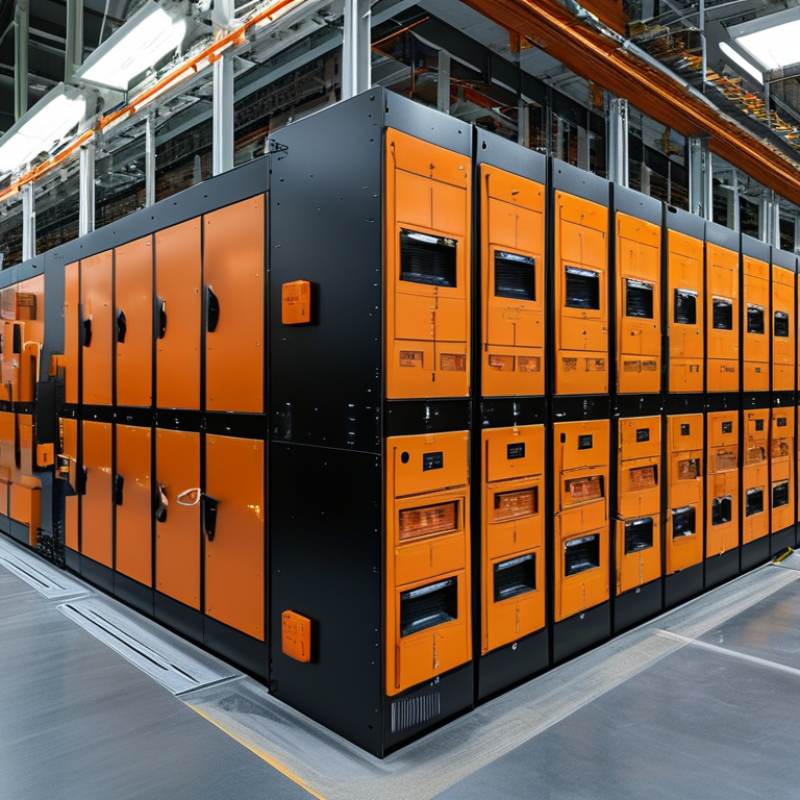
Busway trunking systems offer significant advantages for industrial applications, enhancing efficiency and safety. These systems enable easy distribution of electrical power across vast facilities. According to a recent industry report, the global busway market is projected to grow at a CAGR of 5.7% between 2023 and 2028. This growth reflects the increasing demand for structured power distribution.
One key benefit of busway trunking is high adaptability. They can accommodate varying load requirements, crucial for fast-paced industries. Additionally, they allow for straightforward modifications. This flexibility means businesses can scale operations without major disruptions. However, it is essential to plan for adequate clearance and installation space. Miscalculations can lead to costly adjustments.
Tip: Regular maintenance checks can extend the lifespan of your busway system. Identifying issues early can prevent significant downtime later.
Another advantage is the system’s energy efficiency. Many installations show reduced energy losses compared to traditional wiring systems. Efficient energy use can lead to decreased operational costs. Businesses report savings of 10-15% in energy expenses over time. Still, proper load balancing is necessary to truly capitalize on these benefits. It's important to analyze load requirements continuously.
Tip: Always consult with industry experts when planning your busway system setup. Their experience can help avoid common pitfalls.
Cost Efficiency and Energy Savings Achieved with Busway Trunking
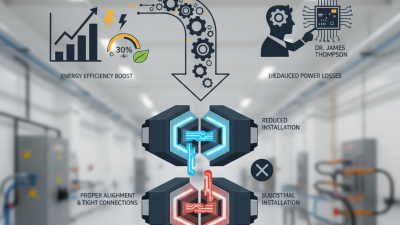
The busway trunking system is gaining popularity for its cost efficiency and energy savings. According to recent industry reports, implementing this system can reduce installation costs by up to 30%. This is primarily due to its modular design, which simplifies installation processes. As companies seek to minimize operational expenses, the busway trunking system emerges as a practical solution.
Energy savings also play a crucial role. A study by a leading energy efficiency organization indicates that businesses can cut their energy consumption by 20-40% when switching to a busway trunking system. This reduction is partly attributed to lower resistive losses compared to traditional wiring methods. Furthermore, the system allows for easy expansion and modifications, enabling firms to adjust to changing demands without incurring significant extra costs.
While the initial investment can be significant, the long-term savings are notable. It’s essential to consider the environmental impact, too. With growing pressure to adopt sustainable practices, the busway trunking system presents a pathway for companies to achieve sustainability goals. However, some decision-makers hesitate, fearing the transition could disrupt existing operations. Fostering open discussions about these concerns is critical for successful implementation.
Ease of Installation and Maintenance in Busway Trunking Systems
Busway trunking systems offer remarkable ease of installation and maintenance, which is a significant advantage for global buyers. According to a report by Markets and Markets, the global busway market is projected to grow from USD 7.2 billion in 2020 to USD 10.3 billion by 2025, largely driven by the need for efficient electrical distribution. The modular design of busways simplifies installation, allowing for quick assembly and layout adjustments. This flexibility is crucial for modern facilities that undergo frequent changes.
Maintenance is another area where busway trunking systems excel. The design often incorporates access points for monitoring and servicing, reducing downtime during maintenance activities. Research shows that facilities utilizing busway systems can reduce maintenance costs by up to 30%, as they require less frequent interventions compared to traditional wiring methods. However, improper installation can lead to issues. Buyers must ensure skilled technicians handle the installation.
Using busway trunking systems can enhance safety and efficiency. They protect electrical circuits from risks such as overheating. Yet, it's essential to note the importance of adhering to local electrical codes and standards. Inadequate knowledge of these regulations can lead to severe consequences. Therefore, while busway systems are beneficial, their effectiveness depends significantly on proper implementation and ongoing education about industry practices.
Safety Features and Reliability of Busway Trunking Solutions
When considering busway trunking systems, safety features play a crucial role. These systems are designed with robust insulation and minimal risk of electrical faults. They often include advanced monitoring capabilities. These features help detect anomalies early, reducing the likelihood of hazards.
Reliability is another vital aspect of busway trunking solutions. The construction often employs durable materials, which ensures a longer lifespan. However, the effectiveness of these systems can vary based on installation quality. Outdated connections or improper fittings can compromise safety. Regular maintenance is essential to uphold their performance over time.
Moreover, the layout and design influence safety outcomes. An organized layout minimizes the chances of accidents. Adequate training for personnel is also necessary. Understanding how to handle potential issues can make a significant difference. Despite advancements, human error can still lead to failures. Taking a proactive approach in safety training helps mitigate this risk effectively.
Scalability and Flexibility Offered by Busway Trunking Systems
Busway trunking systems offer impressive scalability and flexibility for modern electrical distribution. These systems allow for easy expansion and reconfiguration. As businesses grow, their power needs can change rapidly. Busway systems can adapt without significant disruptions. This adaptability is a practical concern for many facilities.
With modular designs, busway trunking can be expanded by adding sections. This means that the system can grow alongside the business. Industries that require frequent layout changes benefit greatly from this feature. Installing additional units is usually straightforward, minimizing downtime. Workers can quickly adjust the layout to meet new demands.
However, flexibility can be a double-edged sword. While the initial setup may offer convenience, ongoing maintenance requires careful planning. Not every facility is equipped for these demands. It's important to consider long-term operational costs. Ensuring the reliability of the system is crucial for uninterrupted productivity.