Top 10 Air Type Busway Systems for Global Buyers?
The global demand for efficient power distribution systems is rising. Air Type Busway systems are gaining traction due to their reliability and safety features. According to a report by MarketsandMarkets, the busway market is projected to grow at a CAGR of 5.7% from 2021 to 2026. Industry expert Dr. James Lee stated, “Air Type Busway systems are crucial for modern infrastructures, optimizing performance and durability.”
The increased focus on energy efficiency and sustainable practices drives buyers to explore Air Type Busway systems. These systems offer installation flexibility and minimal maintenance. They are particularly valuable in commercial buildings and industrial facilities. Moreover, they contribute to reduced energy loss, creating long-term savings. Yet, companies must evaluate their specific needs carefully. Some systems may not cater to all installation environments.
Understanding different Air Type Busway options is essential for buyers. Some solutions lack adequate testing, which can lead to inefficiencies. Ensuring that a chosen system meets industry standards is vital. Comprehensive assessments of manufacturers and their products can prevent mistakes. Adopting well-established Air Type Busway solutions minimizes risks while maximizing performance.
Overview of Air Type Busway Systems
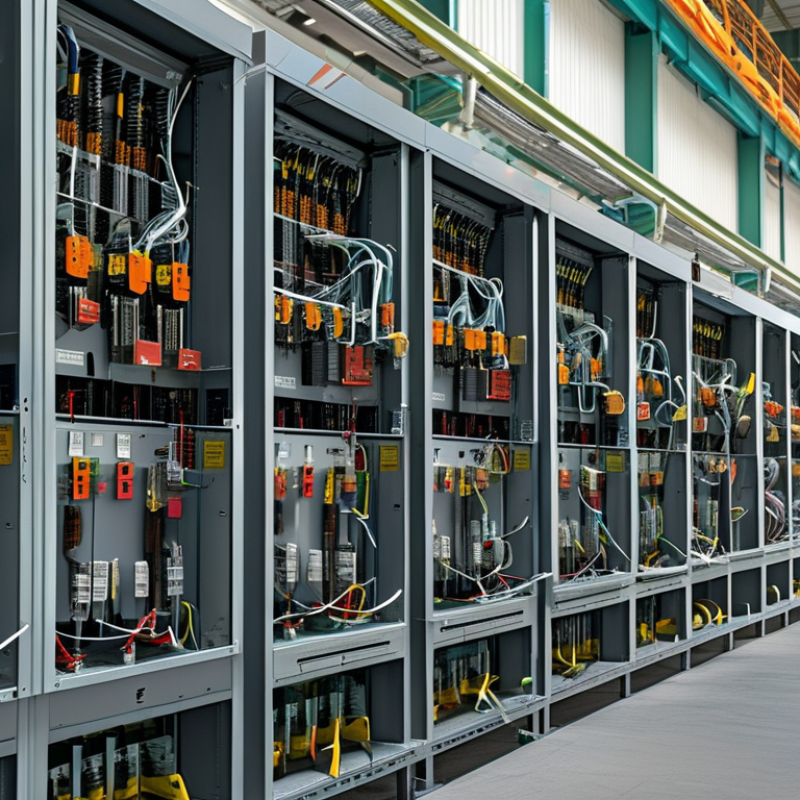
Air type busway systems are gaining attention for their efficiency and reliability. These systems use air as an insulating medium, which can enhance safety and reduce installation costs. Reports from industry experts indicate that air type busways can lower energy losses by up to 25% compared to traditional busbars. This efficiency is essential for facilities prioritizing energy conservation and operational cost reduction.
When considering an air type busway, it's crucial to evaluate its thermal performance. Systems designed with enhanced airflow can provide better cooling capabilities. A study noted that proper thermal management can prolong the lifespan of electrical components, a factor often overlooked. Taking the time to assess these attributes can yield significant long-term benefits.
Tips: Always consult with an expert when choosing a system. Their insights can help identify the most effective solutions. Additionally, consider future expansion needs. Systems that allow scalability can adapt to changing energy demands, ensuring a cost-effective approach. Remember, investing time in research now can prevent costly mistakes later.
Key Features and Advantages of Air Type Busways
Air type busways are becoming increasingly popular due to their unique features. These systems transport electricity safely, minimizing energy loss. They utilize a lightweight design, making installation easier and quicker than traditional systems. Their modular structure allows for flexibility in urban planning and expansion.
Air type busways are known for their efficiency. They provide high conductivity, ensuring that power is delivered effectively. Maintenance is often simplified, as components are designed for easy access. However, some users have noted that initial installation costs can be higher. Balancing upfront expenses with long-term savings requires careful consideration.
Longevity is a significant benefit of air type busways. With proper maintenance, they can last many years, reducing waste and promoting sustainability. Nonetheless, fluctuating environmental conditions can impact their performance, prompting the need for regular inspections. Overall, while air type busways offer notable advantages, there are caveats that demand user awareness and proactive management.
Top 10 Air Type Busway Systems: A Comparative Analysis
Air type busway systems have gained traction in recent years due to their efficiency and modularity. These systems offer significant advantages in energy distribution, especially in urban environments. Their overhead design minimizes space usage and enhances accessibility. Many industries are adopting these systems for their infrastructure needs.
In a comparative analysis of the top ten air type busway systems, factors like installation ease and thermal performance emerge as key points. Some systems exhibit impressive energy efficiency, while others struggle with heat dissipation. The performance can vary greatly, so buyers must choose carefully. Maintenance routines can also differ significantly between systems. This makes understanding each product crucial for informed decisions.
Potential buyers should reflect on the sustainability of these systems. Long-term impacts on energy consumption are essential. While many products boast positive eco-credentials, real-world performance needs scrutiny. Some installations have revealed inefficiencies in energy transfer. This reality underscores the importance of thorough research before selection. Buyers should not overlook these details.
Top 10 Air Type Busway Systems - Comparative Analysis
Installation and Maintenance Considerations for Air Type Busways
Installation and maintenance of air type busways involve critical considerations for efficiency and safety. Proper installation ensures optimal performance. A poorly set system may lead to overheating. According to industry reports, improper installation can increase energy costs by up to 15%. This fact underscores the need for skilled technicians who understand the nuances of these systems.
Maintenance is equally vital. Regular inspections often reveal wear and tear, which can jeopardize system reliability. Studies indicate that systems serviced twice a year experience 30% fewer failures. Additionally, cleaning the busway is essential to prevent dust buildup. Even minor neglect can cause significant disruptions in power distribution.
Understanding local codes is crucial. Compliance ensures safety and protects investments. Companies should train staff on maintenance best practices. Inadequate training can lead to unforeseen challenges. The balance of diligent practice and adherence to guidelines is often where installations falter. As the trend grows, continuous education on these systems will remain a priority for many organizations.
Top 10 Air Type Busway Systems for Global Buyers
| System Type |
Current Rating (A) |
Length (m) |
Weight (kg/m) |
Material |
Installation Difficulty |
Maintenance Frequency |
| Standard Air Busway |
400 |
6 |
10 |
Aluminum |
Moderate |
Annual |
| Compact Air Busway |
250 |
4 |
8 |
Steel |
Easy |
Biannual |
| Heavy-Duty Air Busway |
600 |
8 |
15 |
Copper |
Challenging |
Quarterly |
| Modular Air Busway |
300 |
5 |
12 |
Aluminum |
Moderate |
Annual |
| Flexible Air Busway |
200 |
3 |
6 |
Plastic |
Easy |
As Needed |
| Overhead Air Busway |
500 |
10 |
20 |
Steel |
Difficult |
Biannual |
| Low-Profile Air Busway |
350 |
4.5 |
9 |
Aluminum |
Moderate |
Annual |
| Double-Deck Air Busway |
450 |
7 |
18 |
Copper |
Challenging |
Quarterly |
| Custom Air Busway |
700 |
12 |
25 |
Aluminum |
Difficult |
As Needed |
| Long Span Air Busway |
600 |
15 |
30 |
Steel |
Very Difficult |
Biannual |
Future Trends in Air Type Busway Technology and Design
The air type busway technology is evolving rapidly. Recent reports predict growth at a CAGR of 5.2% from 2023 to 2028. This trend indicates a strong market for innovative systems. Factors like energy efficiency and reduced installation costs drive this momentum.
New designs focus on modular systems. These allow for easy scalability and replacement. Lightweight materials are being used to enhance durability while minimizing overall weight. Additionally, integrated smart technologies contribute to better monitoring and control. However, challenges remain in standardization across different regions.
Incorporating advanced thermal management features is vital. These address overheating issues in high-capacity environments. The need for upgraded safety standards is also apparent. Manufacturers are under pressure to innovate, balancing performance with regulatory compliance. The path forward requires both creativity and accountability.