What is Power Distribution BusBar and How Does it Work?
The Power Distribution BusBar is a critical component in electrical systems. It serves as a central hub that distributes electrical power to various equipment and systems. In recent years, the demand for efficient power distribution has surged. According to a report by Global Market Insights, the BusBar market is projected to exceed $10 billion by 2026. This growth highlights the increasing need for reliable and effective power distribution solutions in various industries.
BusBars can optimize energy efficiency and reduce losses in electrical systems. Their design allows for high current-carrying capacity with minimal resistance. This is crucial in industries like manufacturing, where even minor power losses can lead to significant costs. However, it’s essential to note that not all BusBar installations are perfect. Some installations can suffer from overheating or poor maintenance. Addressing these issues is vital for improving system performance.
Using Power Distribution BusBar technology is essential for future advancements in energy distribution. As power demands continue to grow, innovative and efficient solutions must keep pace. Companies must focus on regular maintenance and improvements. This reflection on current practices can enhance reliability and efficiency in power distribution systems.
What is a Power Distribution BusBar?
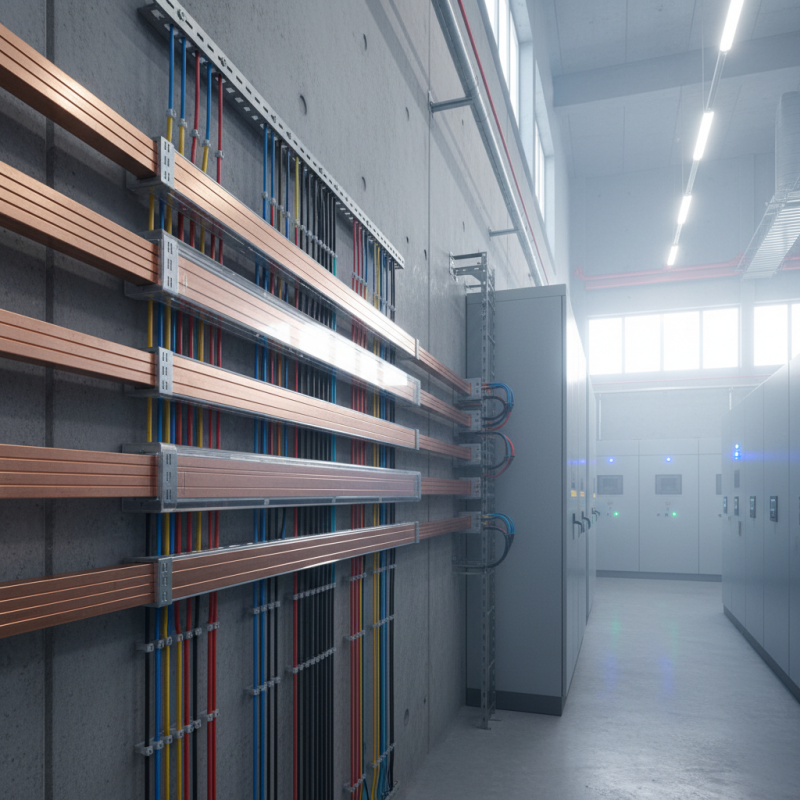
A power distribution busbar is a crucial component in electrical systems. It serves as a conductive pathway, allowing electrical energy to flow between various components. Typically made of copper or aluminum, busbars are designed to carry high currents. They are often installed in switchgear and substations, providing a secure means of power distribution.
Busbars come in various shapes and sizes, tailored for specific applications. Their design can be rectangular or circular. This flexibility makes them suitable for both large industrial setups and smaller applications. However, the installation process requires careful consideration. Improper support may lead to sagging or failure.
Maintenance of busbars is essential, yet often overlooked. Regular checks can help identify corrosion or overheating. Neglecting these issues could result in severe electrical failures. Observing signs of wear can save time and cost down the road. While busbars provide efficient energy distribution, they demand respect and proper handling. Their role is essential, yet easy to take for granted.
Key Components of a Power Distribution BusBar
A Power Distribution BusBar is essential in electrical systems. It efficiently distributes electricity among various circuits. Understanding its key components is crucial for effective operation.
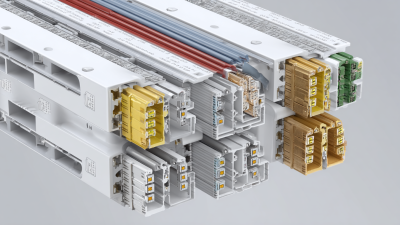
The main components include the BusBar itself, which is usually made of copper or aluminum. This metal conducts electricity effectively. Insulators are also vital. They prevent unintended electrical contact. Lastly, connectors and junctions link the BusBar to various circuits. Careful design ensures minimal energy loss during distribution.
Tip: Regularly inspect BusBars for signs of wear. Overheating can occur with poor connections. This reduces efficiency.
In recent reports, poor maintenance of BusBars can lead to a 15% increase in operational costs. Addressing these issues early is crucial. Contingency plans for unexpected failures are advisable. Understanding failure modes can help improve longevity. Proper component selection and installation are key. Always consider the specific needs of your electrical system.
How Power Distribution BusBars Function
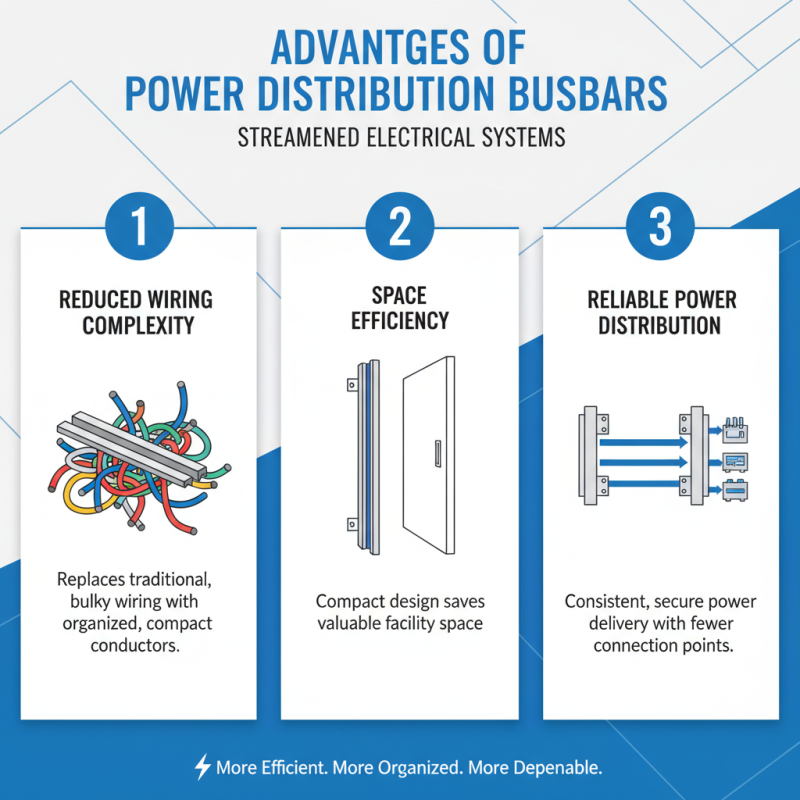
Power Distribution BusBars are essential in electrical systems. They act as conductive pathways, distributing power efficiently. Made from copper or aluminum, BusBars handle significant electrical loads. Their design minimizes resistance, reducing energy loss. Each bar connects multiple circuits, allowing for easy management of power distribution.
These systems function by directing electricity from the source to various devices. This process requires careful planning and design to ensure safety and efficiency. BusBars can be insulated or uninsulated, depending on the application. They must be installed correctly to prevent overheating and possible failures. Routine inspections and maintenance are crucial for optimal operation.
While BusBars are widely used, they come with challenges. Poor connections can lead to arcing, risking equipment damage. Inadequate sizing may cause overheating. Designers must consider load requirements and environmental factors. Balancing efficiency and safety is vital in BusBar applications. Careful attention to detail will enhance reliability and performance.
Common Applications of Power Distribution BusBars
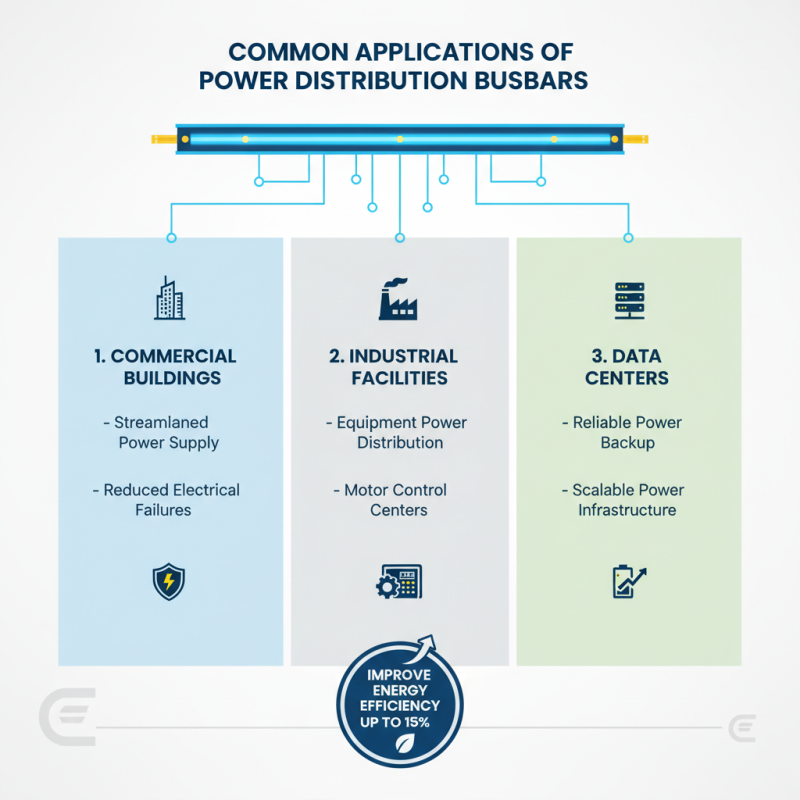
Power distribution busbars are crucial in various sectors. They serve as a central point for distributing electrical power across multiple circuits. In commercial buildings, busbars streamline the power supply. They protect systems by reducing the risk of overheating and electrical failures. According to industry reports, busbars can improve energy efficiency by up to 15%.
Common applications of power distribution busbars include data centers, manufacturing facilities, and renewable energy plants. In data centers, they manage high power loads, ensuring stable operations. A professional survey indicated 70% of data centers use busbars for reliable power management. In manufacturing, busbars minimize installation costs and simplify maintenance. They also support automation processes, enhancing productivity.
Furthermore, renewable energy plants utilize busbars to connect solar panels or wind turbines to the grid. This connection is vital for efficient energy distribution. However, challenges remain in optimizing designs to meet strict safety standards. The need for compact solutions is increasing. Users may face difficulties adapting existing systems to incorporate busbars effectively. These aspects reveal areas where industry practices could enhance performance.