Understanding Mylar Busway Benefits Types and Applications for Efficient Power Distribution
In the ever-evolving landscape of electrical distribution systems, the Mylar Busway stands out as a cutting-edge solution that promises enhanced efficiency and reliability. According to industry expert Dr. Emily Thompson, “The Mylar Busway not only simplifies power distribution but also significantly reduces energy losses, making it an invaluable component in modern infrastructures.” This innovative technology is quickly gaining traction among engineers and facility managers who seek to optimize their power systems while adhering to sustainability goals.
The Mylar Busway is characterized by its lightweight yet robust construction, making it ideal for a variety of applications, from data centers to manufacturing facilities. Its unique design allows for easier installation and maintenance compared to traditional bus systems, thereby minimizing downtime and operational costs. Moreover, the Mylar Busway’s insulation properties contribute to improved thermal management and reduced risk of electrical faults, ensuring a safer environment for both personnel and equipment.
As industries continue to grapple with the dual demands of increasing energy efficiency and reliability, understanding the benefits, types, and applications of the Mylar Busway becomes crucial. By exploring these aspects, stakeholders can make informed decisions that not only enhance performance but also contribute to a greener and more efficient electrical grid.
Benefits of Mylar Busway in Modern Power Distribution Systems
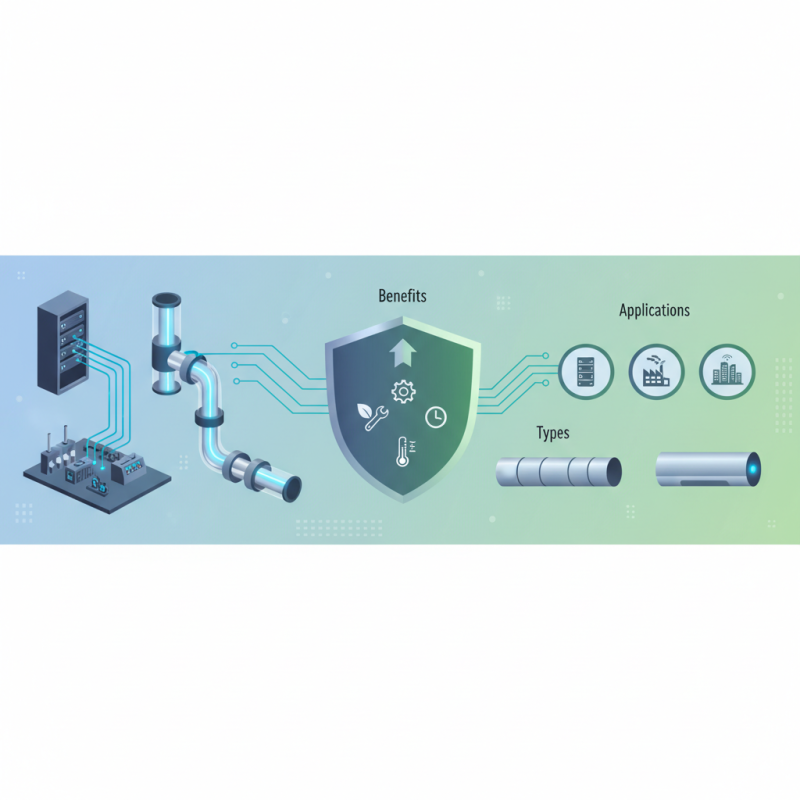
Mylar busway systems have emerged as a vital component in modern power distribution networks, offering a range of benefits that enhance operational efficiency and reliability. One of the primary advantages of Mylar busway is its lightweight structure, which facilitates easier installation and reduces the overall load on supporting structures. This characteristic not only optimizes installation time but also minimizes the associated labor costs, proving to be a cost-effective solution for companies aiming to streamline their power distribution processes.
In addition to its lightweight nature, Mylar busway is known for its superior insulation properties, which contribute to increased safety and reduced energy losses. The advanced insulation technology helps in preventing overheating and ensures that the electrical connections remain stable under varying load conditions. Furthermore, Mylar busway systems are designed to accommodate higher electrical currents, making them suitable for modern facilities that require robust and efficient power distribution solutions. These systems also offer flexibility in design, allowing for easy modifications and expansions as the facility's power requirements evolve. Overall, the integration of Mylar busway into power distribution systems represents a significant step toward enhancing efficiency and reliability in energy management.
Types of Mylar Busway: An Overview of Options Available
 Mylar busways have become increasingly popular in power distribution systems due to their flexible design and high-performance capabilities. A key benefit of this type of busway is its insulation properties. Mylar, a polyester film, offers excellent dielectric strength, which can withstand high voltages without compromising safety. Industry reports indicate that using Mylar-insulated systems can enhance energy efficiency by up to 15%, making them an ideal choice for applications requiring reliable power delivery.
 There are several types of Mylar busways available, each designed to meet specific needs within various industries. For instance, flexible Mylar busways are often utilized in manufacturing environments where space constraints and dynamic layouts are prevalent. According to a report by the Electric Power Research Institute, these configurations can lead to a 20% reduction in installation time compared to traditional metal systems. Additionally, rigid Mylar busways provide robust solutions for fixed installations, offering superior environmental resistance and minimizing maintenance requirements. Their application in data centers has been found to optimize airflow and cooling efficiency, crucial factors in maintaining operational reliability and preventing downtime.
Key Applications of Mylar Busway in Industrial Settings
Mylar busway systems have emerged as a preferred choice for efficient power distribution in industrial environments due to their unique properties and versatility. These systems are constructed with a dielectric material that enhances electrical performance while being lightweight and easy to install. In manufacturing plants, data centers, and other large facilities, Mylar busways facilitate the seamless transfer of electricity with reduced loss, ensuring uninterrupted operations and optimal power utilization.
One of the key applications of Mylar busways in industrial settings is in data centers, where reliable and efficient power distribution is critical. The flexibility of design allows for quick modifications, making it an excellent solution for evolving power needs. Additionally, Mylar busways are ideal for environments requiring high insulation resistance and low maintenance, which enhances their lifecycle cost-effectiveness.
Tips for selecting the right Mylar busway include evaluating the current and future power requirements of your facility. Consider the layout of your space and how the busway can be integrated without disrupting existing operations. It is also advisable to engage with professionals who can provide insights on code compliance and installation best practices to maximize the benefits of the Mylar busway system in your industrial application.
Comparative Analysis: Mylar Busway vs. Traditional Power Distribution Methods
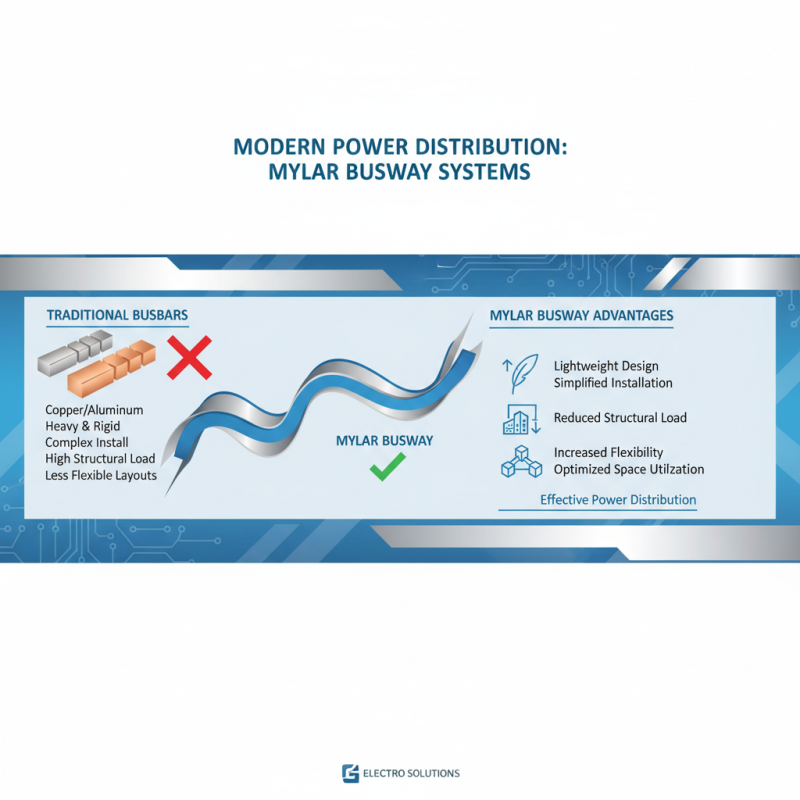
Mylar busway systems have emerged as a modern solution for effective power distribution, especially when compared to traditional methods such as copper and aluminum busbars. One of the key advantages of Mylar busway is its lightweight design, which not only simplifies installation but also reduces the overall structural load requirements. This feature provides significant flexibility for system layouts, allowing engineers to optimize space utilization in electrical rooms and substations.
In contrast, traditional power distribution methods can often be bulky and require more extensive support systems. Mylar busway systems are also highly resistant to environmental factors like moisture and corrosion, leading to increased longevity and reliability. This resistance contributes to reduced maintenance costs over time, offering a compelling argument for their adoption in various settings, including commercial, industrial, and data center applications.
**Tip:** When evaluating your power distribution options, consider the long-term savings associated with reduced energy losses and maintenance. Choosing a Mylar busway can streamline your infrastructure while maximizing efficiency and durability, making it a smart choice for both retrofitting existing systems and planning new installations.
Installation and Maintenance Best Practices for Mylar Busway Systems
When it comes to the installation of Mylar busway systems, proper planning and execution are critical to ensure efficient performance and longevity. First, it's essential to assess the power distribution requirements of the facility. This includes determining the load capacities and the layout of the busway, factoring in the available space for installation and potential future expansions. It is advisable to follow the manufacturer’s specifications closely, ensuring that all components are compatible and correctly rated for the intended application. During installation, maintain clear communication among the installation team to avoid errors, and ensure that safety protocols are strictly adhered to, minimizing risks associated with electrical hazards.
Maintenance of Mylar busway systems requires routine inspections and proactive measures to ensure optimal performance. Regularly checking for signs of wear, corrosion, or physical damage can help identify potential issues before they lead to failures. It is crucial to keep the surfaces clean and free of obstructions that may impede airflow, as overheating can significantly affect system efficiency. Implementing a schedule for annual inspections allows for systematic evaluation of connections and operational efficiency. Additionally, any adjustments or upgrades should be performed by qualified personnel, ensuring compliance with all safety guidelines and industry best practices. Prioritizing these maintenance strategies will enhance the lifespan of Mylar busway systems, contributing to reliable and efficient power distribution.
Mylar Busway Benefits and Applications