What is Mylar Busway and Its Benefits in 2026?
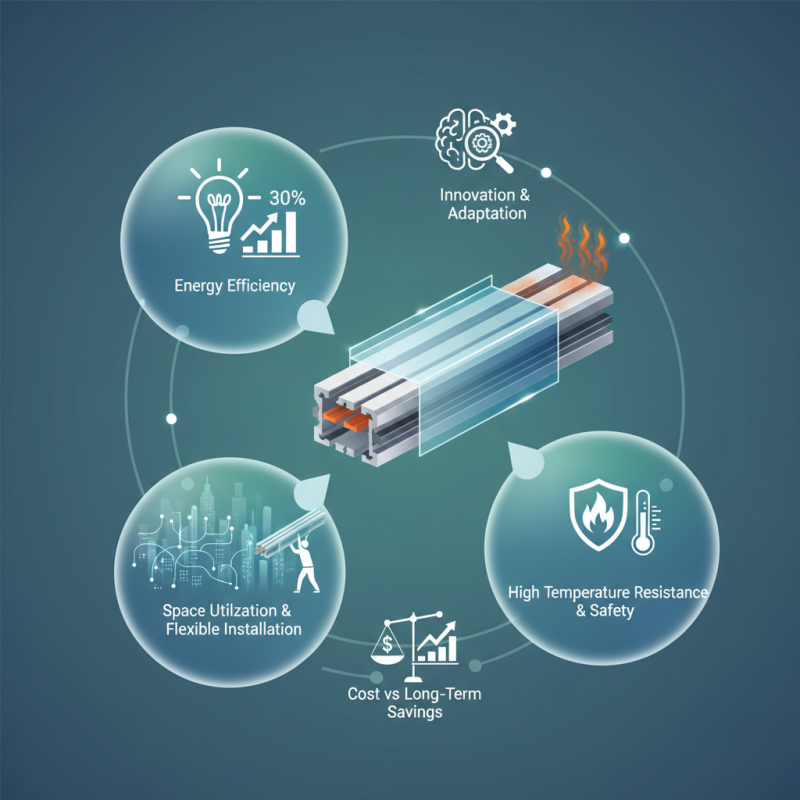
In 2026, the Mylar Busway system is gaining considerable attention in the electrical distribution industry. This technology enhances energy efficiency and space utilization. According to a report from the International Energy Agency, innovative materials like Mylar are expected to reduce energy loss in electrical systems by up to 30%.
Expert Robert Anderson, a leading voice in electrical engineering, emphasizes, "Mylar Busway represents the future of efficient energy management." Its lightweight nature makes installation easier, allowing for flexibility in various environments. Additionally, the Mylar Busway can withstand high temperatures, which contributes to improved safety.
However, challenges remain. The production of Mylar involves complex processes. Integrating this technology into existing systems requires careful planning. Companies must weigh the upfront costs against long-term savings. As the industry evolves, the full potential of Mylar Busway will depend on continued innovation and adaptation in a rapidly changing market.
Understanding Mylar Busway: Definition and Functionality
Mylar busway is gaining traction in 2026 due to its efficient design and functionality. This innovative power distribution system consists of flexible, durable materials that reduce energy loss significantly. Studies show that using Mylar busway can cut energy costs by up to 30% compared to traditional systems. Its lightweight nature also makes installation easier and faster.
The core function of Mylar busway is to manage electrical power distribution efficiently. It can handle high currents while minimizing voltage drop. This level of efficiency can enhance overall operational reliability. However, some challenges remain. The installation process may require specialized training. Not all facilities may have the staff on hand to adapt to this new technology.
Tip: Ensure all workers are trained properly on Mylar handling. Regular maintenance checks can prevent potential issues. Addressing gaps in knowledge is essential. Mylar busway may offer significant benefits, but its effectiveness relies on user expertise. Regular updates on new technologies will keep operations smooth.
Key Features of Mylar Busway in Modern Electrical Systems
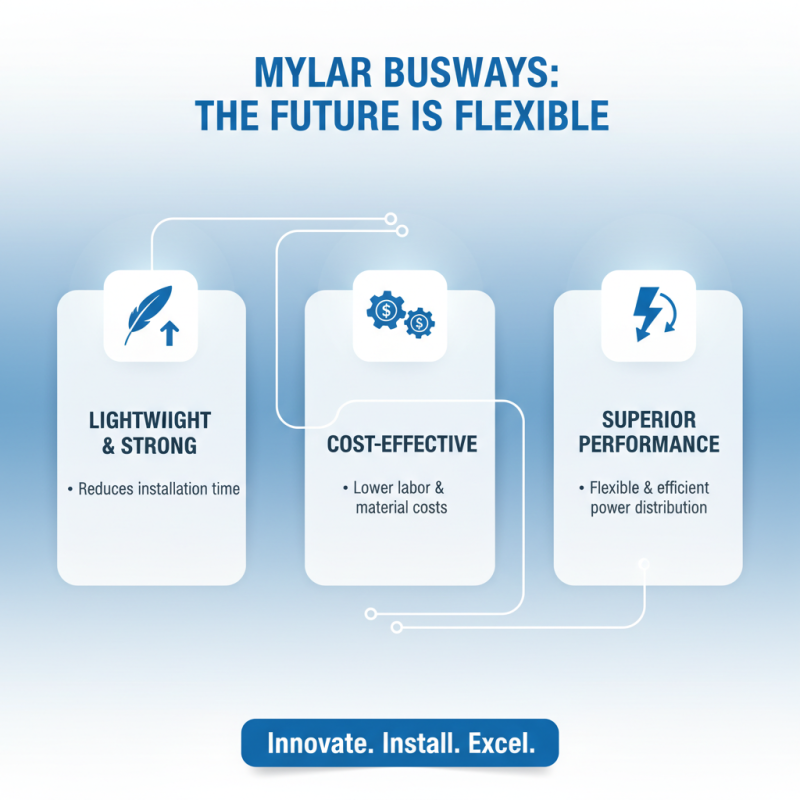
Mylar busway is gaining traction in modern electrical systems. Its lightweight design makes installation easier. This flexibility leads to reduced labor costs. Reports indicate that Mylar materials offer improved insulation properties. This can enhance energy efficiency in facilities by up to 30%.
One of the key features of Mylar busway is its resistance to environmental factors. It performs well in various conditions. This durability makes it a preferred choice for many industries. However, some users report challenges in integration with older systems. Compatibility issues can arise, potentially increasing costs.
Tips for optimizing Mylar busway usage: Ensure proper training for installation teams. This can mitigate misalignment issues. Regular maintenance checks are essential. They help in identifying wear and tear early. A proactive approach can extend the lifespan of the busway system and maximize its benefits.
Applications of Mylar Busway in Various Industries
Mylar busway is gaining traction in various industries due to its efficient performance. Industries like telecommunications, manufacturing, and data centers benefit significantly from this technology. Mylar busway offers flexibility and effective power distribution, addressing the rising demand for reliable energy solutions. According to a recent report, the global busway market is expected to grow at a CAGR of 8.6% from 2021 to 2026.
Data centers utilize Mylar busway for its high thermal efficiency. This system effectively manages heat, crucial for servers. Telecommunications systems also rely on Mylar busway for seamless power delivery. The lightweight nature and easy installation make it a preferred choice in these sectors. However, the initial installation costs can be high, which raises questions about cost-effectiveness in smaller applications.
Tip: Consider the long-term savings on energy costs when evaluating Mylar busway installations.
Manufacturing facilities are starting to adopt Mylar busway for its resilience. Reports indicate a 25% reduction in energy loss compared to traditional systems. This might seem impressive, but some users report challenges in scaling up the systems for larger operations. Reflecting on these issues is vital for ensuring seamless scalability in future projects.
Tip: Assess your specific energy requirements before investing in Mylar busway solutions.
Applications of Mylar Busway in Various Industries (2026)
Future Trends and Innovations in Mylar Busway Technology
Mylar busway technology is evolving rapidly. In 2026, several trends are shaping its future. One major trend is the integration of advanced materials. These materials can enhance durability and efficiency. As industry demands increase, innovations will follow. Companies are exploring lightweight composites and improved insulation techniques.
Another key aspect is enhanced energy efficiency. Smart busways with integrated sensors could monitor performance in real-time. These systems may alert users to potential issues. This could lead to timely maintenance, saving costs and energy. While these technologies promise much, challenges remain. Implementation can be complex and costly.
Moreover, the environmental impact remains a topic of concern. The production of these new materials might create waste and carbon emissions. Balancing innovation with sustainability is vital. Continuous improvement must address these issues. Engaging with stakeholders is essential for a successful transition.
What is Mylar Busway and Its Benefits in 2026? - Future Trends and Innovations in Mylar Busway Technology
| Feature |
Description |
Benefits |
Future Trends |
| Material Composition |
Made from Mylar, a durable polyester film. |
High resistance to heat and moisture. |
Increased adoption in high-temperature environments. |
| Energy Efficiency |
Reduced energy losses compared to traditional busways. |
Lower operational costs. |
Emerging innovations in energy recovery systems. |
| Installation Flexibility |
Easy to install and reconfigure. |
Reduced downtime during setup and modification. |
Advancements in modular designs. |
| Safety Features |
Includes insulation and overload protection. |
Enhanced safety for operators. |
Integration with smart monitoring systems. |
| Durability |
Resistant to chemicals and environmental stress. |
Longer lifespan reduces replacement costs. |
Continual improvements in material technology. |