Top Lighting Busway Trends to Watch in 2025 for Efficient Energy Solutions
As the world continues to prioritize energy efficiency and sustainability, the role of innovative technologies in lighting solutions has never been more critical. Among these advancements, the Lighting Busway system stands out as a significant trend that is set to shape the landscape of energy management in the coming years. The Lighting Busway offers a flexible, efficient, and scalable method of distributing electrical power for a variety of lighting applications. This system not only enhances operational efficiency but also supports the growing demand for smart building technologies and renewable energy integration.
Looking ahead to 2025, the Lighting Busway is expected to evolve further, incorporating cutting-edge designs and technologies that promote effective energy use. Key trends include the integration of IoT capabilities, which allow for real-time monitoring and control of lighting systems, and enhanced compatibility with solar energy solutions. As industries seek to reduce their carbon footprint and improve energy resilience, the adoption of the Lighting Busway system will become increasingly prominent, driving innovation and influencing architectural design in commercial spaces.
In this landscape of transformation, stakeholders from various sectors must remain informed of emerging trends and developments surrounding the Lighting Busway. Embracing these advancements will not only lead to more efficient energy solutions but also foster a sustainable future that aligns with global energy goals. As we delve into the anticipated trends for Lighting Busway in 2025, it becomes clear that this technology will play a pivotal role in redefining energy solutions and operational standards across industries.

Emerging Technologies in Lighting Busway Systems for Energy Efficiency
The landscape of lighting busway systems is rapidly evolving, with emerging technologies poised to enhance energy efficiency significantly. As industries increasingly pursue sustainable solutions, the integration of smart technologies within lighting busways is becoming commonplace. Innovative sensors and IoT devices facilitate real-time monitoring and control of lighting environments, allowing for dynamic responses to occupancy and daylight availability. This not only optimizes energy consumption but also improves overall user experience and comfort.
Furthermore, advancements in materials and design are driving the development of more efficient lighting fixtures within busway systems. The use of lightweight, durable materials enhances both installation flexibility and energy retention. These developments are complemented by the integration of modular designs that allow for easy upgrades and alterations, empowering businesses to adapt their lighting solutions to evolving needs without significant overhead costs. As these technologies continue to mature, we can expect lighting busway systems to play a crucial role in achieving comprehensive energy solutions by 2025.
Top Lighting Busway Trends to Watch in 2025
This chart illustrates the projected adoption rates for key lighting busway trends in 2025. Each trend represents a different aspect of energy efficiency and innovative technologies that are expected to enhance the sustainability and effectiveness of lighting solutions.
Sustainable Materials and Design Innovations in 2025 Lighting Solutions
As the lighting industry evolves, 2025 promises exciting advancements in sustainable materials and design innovations. A recent report by the International Energy Agency (IEA) highlights that by 2025, energy-efficient lighting solutions could improve energy savings by approximately 50% compared to traditional systems. This transitional shift is powered by the adoption of eco-friendly materials, such as biodegradable polymers and recycled metals, which reduce the carbon footprint during production and disposal.
Moreover, innovative design trends are shifting towards modular lighting systems that enhance flexibility and adaptability in various environments. According to a study by BloombergNEF, integrating smart technologies with sustainable materials could potentially decrease energy consumption in commercial buildings by up to 70%. This integration allows for increased control over lighting conditions, enhancing user experience while supporting energy sustainability goals.
The emerging focus on design that combines aesthetic appeal with functionality signifies a pivotal moment in lighting solutions, making them not only efficient but also vital components of eco-conscious architecture.
Smart Grid Integration: Enhancing Lighting Busway Connectivity and Control
As we venture into 2025, the integration of smart grid technology is poised to revolutionize the lighting busway sector, enhancing connectivity and control in unprecedented ways. The smart grid enables two-way communication between utilities and consumers, facilitating real-time data exchange. According to a recent report by the International Energy Agency (IEA), the adoption of smart grid technologies can lead to energy savings of up to 20% in commercial lighting systems. This shift not only promotes efficiency but also empowers users to optimize their energy consumption based on variable pricing and demand response.
Furthermore, the advent of advanced control systems linked to smart grids enhances the functionality of lighting busways across various applications. With the integration of IoT devices, building managers can now monitor and manage lighting loads dynamically. A study from MarketsandMarkets forecasts that the global smart lighting market will reach $36 billion by 2025, largely driven by the need for energy-efficient solutions and intelligent management systems. This growth is indicative of the increasing demand for interconnected systems that can seamlessly adapt to user needs while contributing to overall sustainability goals. Through these advancements, lighting busways are set to become integral components of smarter, more resilient infrastructure, reflecting the urgent transition toward modern energy systems.
Top Lighting Busway Trends to Watch in 2025 for Efficient Energy Solutions
| Trend |
Description |
Benefits |
Projected Growth (%) |
| Smart Grid Integration |
Integration of lighting busways with smart grid technology for enhanced energy efficiency. |
Reduced energy costs, increased automation, improved reliability. |
25% |
| Wireless Control Systems |
Utilization of wireless communication for control and monitoring of lighting systems. |
Enhanced user experience, reduced installation costs, flexibility in system design. |
30% |
| LED Technology Advancement |
Continued advancements in LED technology for better efficiency and longevity. |
Lower energy consumption, longer lifespan, reduced maintenance costs. |
40% |
| Energy Harvesting Solutions |
Use of energy harvesting technologies to power lighting systems. |
Sustainability, independence from the grid, and minimal energy waste. |
20% |
| IoT Connectivity |
Integration of Internet of Things (IoT) technology in lighting busways. |
Real-time monitoring, data analytics, enhanced control. |
35% |
Energy Management Trends Shaping the Future of Lighting Infrastructure
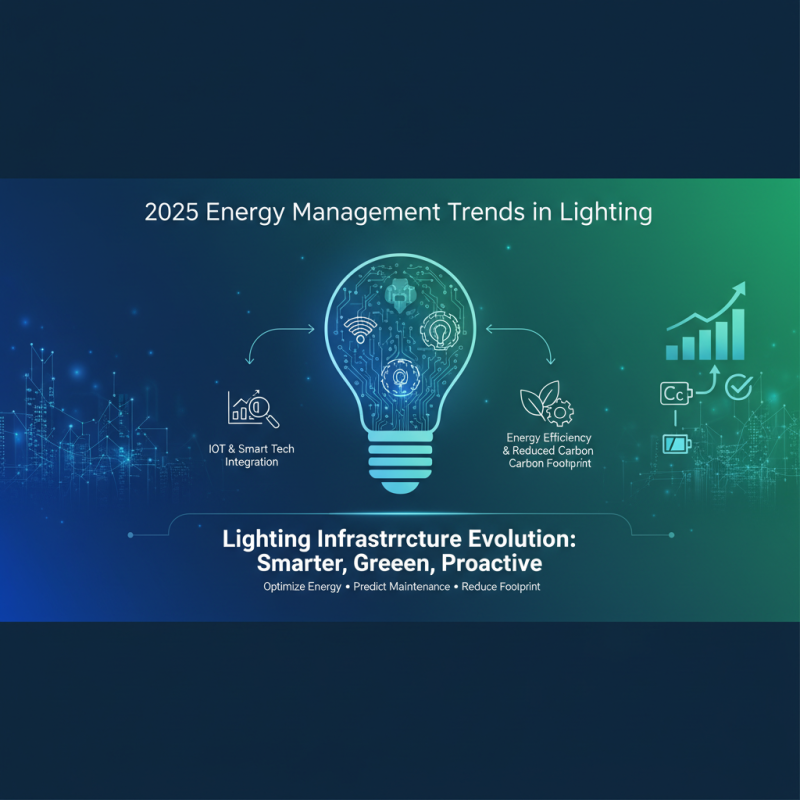
As we approach 2025, energy management trends are evolving rapidly, significantly impacting lighting infrastructure. A major focus is the integration of smart technologies that enable real-time monitoring and control of energy consumption. IoT-enabled devices are allowing for seamless communication between lighting systems and energy management software, leading to enhanced efficiency and the ability to identify energy wastage. This data-driven approach not only optimizes energy use but also allows for proactive maintenance and adjustments, ultimately contributing to a reduced carbon footprint.
Another critical trend is the adoption of renewable energy sources within lighting infrastructures. By utilizing solar panels and other renewable technologies, buildings can reduce their reliance on conventional power grids. This shift not only supports sustainability goals but also provides financial benefits through decreased energy costs. Moreover, advancements in battery storage technology are making it feasible to harness and utilize this energy even during periods of low sunlight, further enhancing the reliability and efficiency of lighting systems. As these trends continue to shape the future landscape of lighting infrastructure, they promise to create a more sustainable and energy-efficient environment for urban development.
Government Policies and Regulations Impacting Lighting Busway Developments
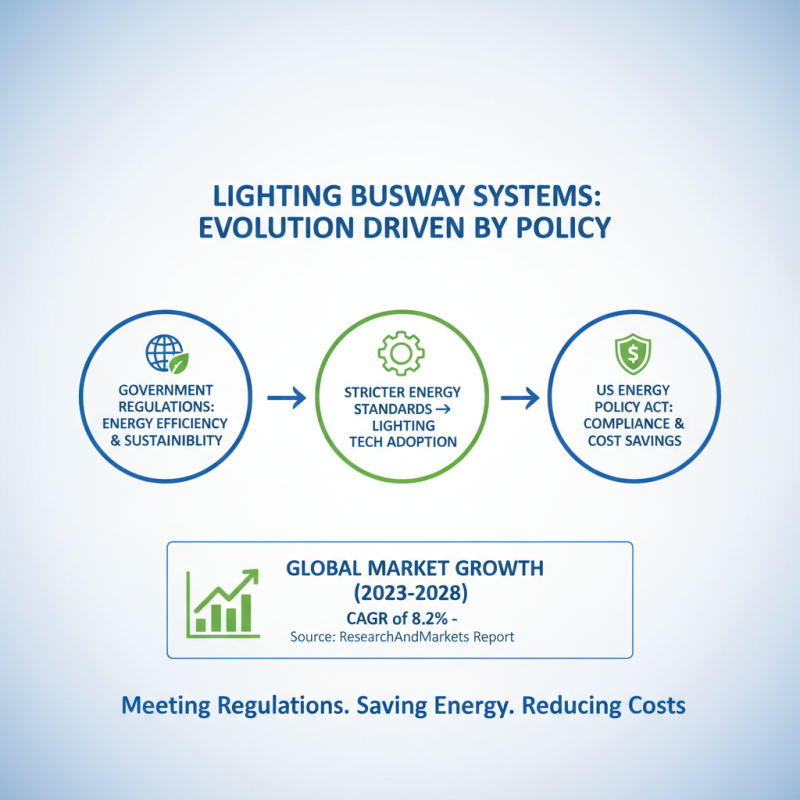
The evolution of lighting busway systems is significantly influenced by government policies and regulations aimed at promoting energy efficiency and sustainability. As countries set more stringent energy performance standards, the adoption of advanced lighting technologies is spurred by regulatory frameworks. For instance, the implementation of the Energy Policy Act in the United States has motivated organizations to transition to energy-efficient solutions, which are vital for meeting compliance and leveraging potential cost savings. According to a recent market report by ResearchAndMarkets, the global lighting busway market is projected to grow at a CAGR of 8.2% from 2023 to 2028, reflecting the urgency for industries to adhere to such regulations.
Moreover, incentives provided by government initiatives, such as tax breaks for energy-efficient upgrades, have encouraged businesses to invest in upgraded lighting busway systems. In Europe, the EU's Green Deal aims to make energy consumption more sustainable by 2050, incentivizing the adoption of faster, safer, and more efficient lighting busway solutions. This shift has made it essential for manufacturers to develop innovative systems that not only comply with these regulations but also optimize energy consumption, reducing overall carbon footprints. With studies indicating that lighting accounts for approximately 19% of global electricity consumption, the push for improved efficiency through robust policies will be crucial in redefining the future of lighting busway developments.