What is a Lighting Busbar and How Does It Work?
Lighting Busbars play a crucial role in modern electrical systems. They are designed to efficiently distribute power in various settings. This system consists of conductive materials, often copper or aluminum, housed in a protective casing. As energy demands grow, understanding these busbars becomes essential.
The functionality of a Lighting Busbar is relatively straightforward. It allows for a streamlined connection of electrical circuits, minimizing the need for extensive wiring. This simplicity can lead to reduced installation costs and time. Yet, it is important to note that improper installation can lead to significant issues, such as overheating or electrical failures.
Considering the impact of Lighting Busbars on energy efficiency is vital. They can improve overall system performance. However, their effectiveness depends on proper sizing and materials. If these elements are overlooked, the benefits diminish significantly. The balance between efficiency and safety must always be prioritized.
What is a Lighting Busbar?
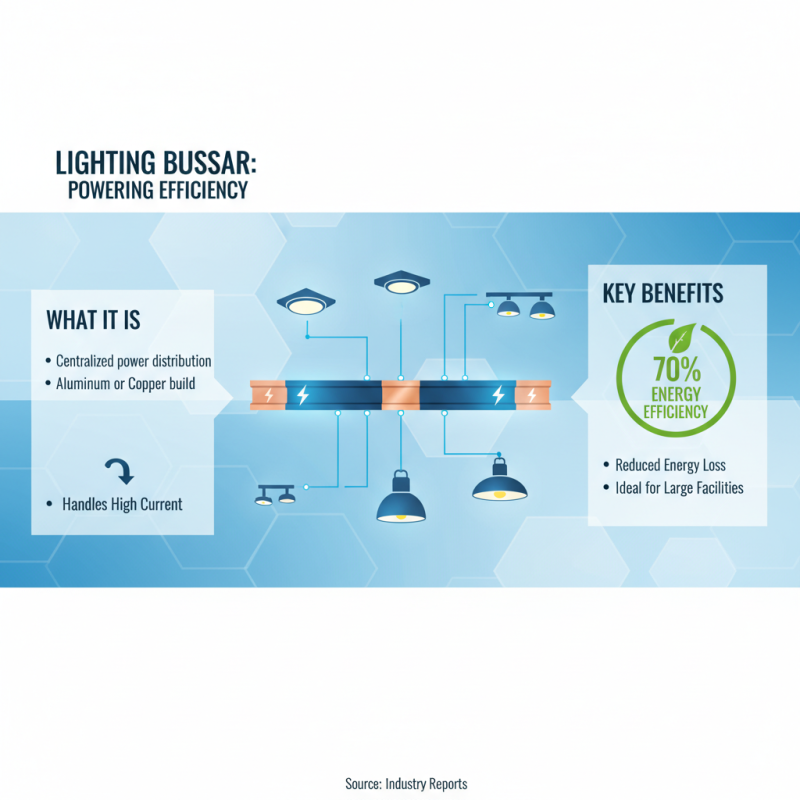
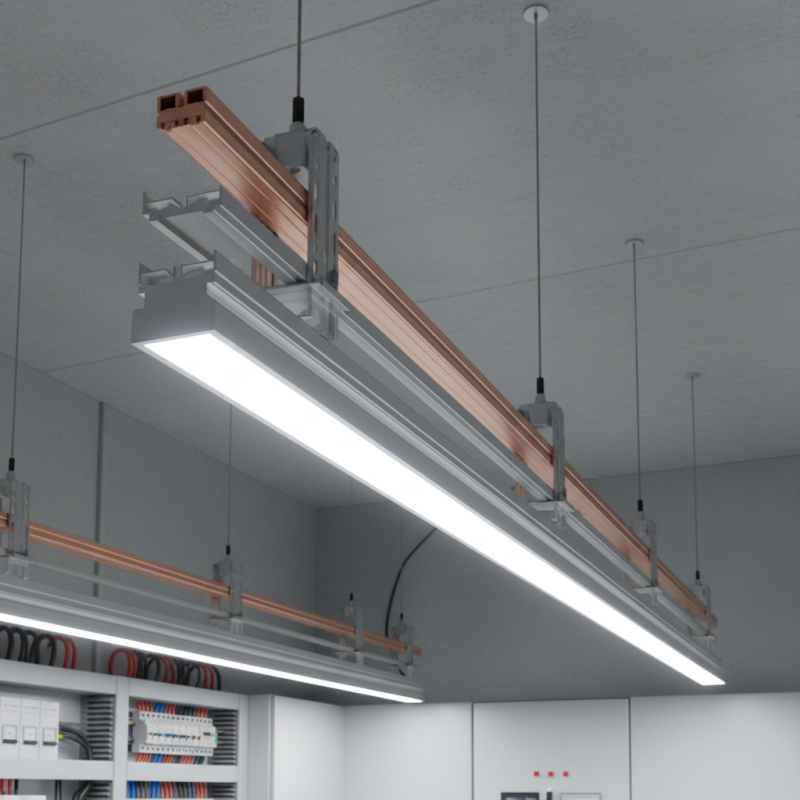
A lighting busbar is a crucial component in electrical distribution systems. It serves as a centralized point for distributing electrical power efficiently. The busbar is typically made of aluminum or copper, allowing it to handle high current loads while minimizing energy loss. According to industry reports, approximately 70% of energy efficiency can be achieved with proper busbar implementation in large facilities.
The structure of a lighting busbar often includes multiple conductors housed within insulation materials. This design helps reduce the risk of electrical faults. In recent years, advancements in technology have improved the durability and flexibility of busbars. For instance, some systems can handle up to 1,500 amps at varying voltages. However, attention to installation quality is vital. Poor connections can lead to overheating and reliability issues.
In terms of application, lighting busbars are widely used in commercial buildings and industrial plants. Studies indicate that integrating lighting busbars in design can enhance safety and reduce installation time by 30%. Yet, fluidity in design often sacrifices robustness. Some professionals express concerns about underestimating the importance of regular maintenance. Addressing these shortcomings can lead to significant improvements in performance and safety.
Key Components of a Lighting Busbar System
A lighting busbar system is essential for modern electrical setups. It connects multiple circuits and distributes power efficiently. Understanding its key components can provide insights into its functionality.
The busbar itself is a metal strip or bar that conducts electricity and is designed for high current loads. Insulation materials wrap around it to prevent short circuits. Connectors link the busbar to various electrical components, ensuring secure connections. The supports hold the busbar in place, maintaining structural integrity. Each component plays a crucial role in the overall performance.
While the components seem simple, their arrangement can be
complex. Improper installation or insufficient support can lead to failures.
Regular maintenance is necessary to identify wear and tear. It’s easy to overlook small details. Yet, these details often impact the system’s reliability significantly. Reflecting on these elements can enhance understanding and usage of lighting busbar systems.
How Does a Lighting Busbar Operate?
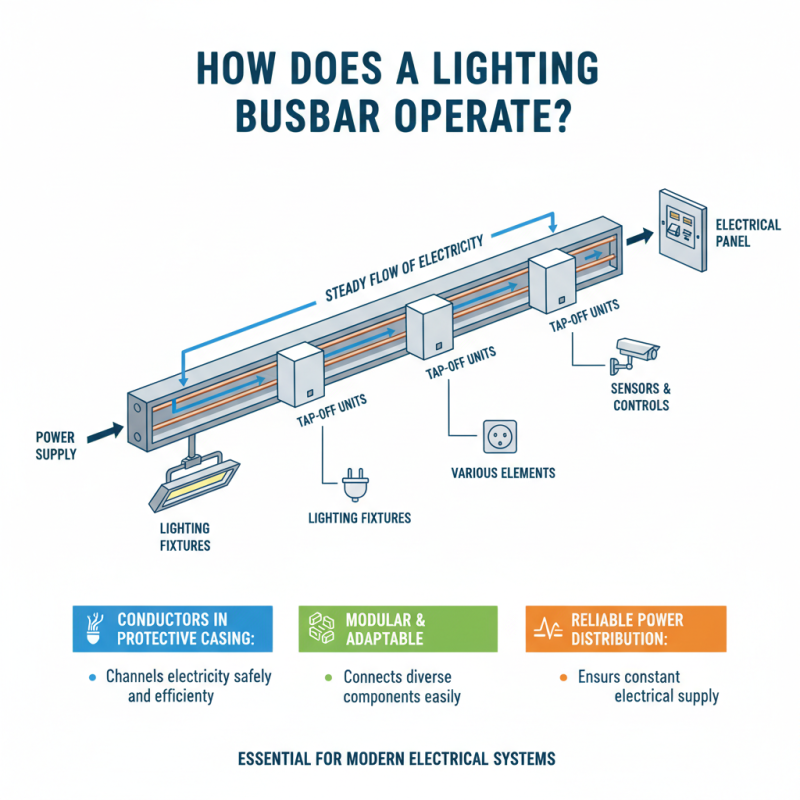
A lighting busbar is an essential component in modern electrical systems. It channels electricity efficiently within structures. This system uses a series of conductors, housed in a protective casing, to distribute power. The busbar connects various elements like lighting fixtures and power supplies, ensuring a steady flow of electricity.
The operation of a lighting busbar begins with electricity from the main power source. This energy travels through the busbar's conductive material, usually copper or aluminum. Its design allows for minimal resistance, enhancing efficiency. As the current moves, it branches off to different circuits. Each circuit powers its designated lighting unit, creating an effective network.
However, not all busbar installations are perfect. Sometimes, the connections may loosen, leading to inconsistent performance. Overheating can occur if the current exceeds the busbar's capacity. Routine inspections are necessary to identify these issues early. Regular maintenance keeps the system running smoothly. Understanding these details helps in optimizing the design and usage of lighting busbars.
Advantages of Using Lighting Busbars
Lighting busbars have become an essential component in modern electrical systems. Their advantages are numerous and significant. One critical benefit is efficiency. According to a report by the International Energy Agency, improving electrical distribution systems can lead to as much as a 30% reduction in energy losses. This efficiency is crucial for both commercial and industrial applications.
Installation of lighting busbars often requires less space than traditional wiring. This space-saving aspect can be particularly beneficial in densely populated buildings. Data from the North American Electrical Manufacturers Association indicates that from 2018 to 2021, the use of busbars in construction increased by 25%. This trend reflects the growing appreciation for maximizing usable space while maintaining safety and functionality.
Moreover, the modular nature of lighting busbars allows for easy expansion and modification of electrical systems. If business needs change, adjustments can be made without extensive rewiring. However, there can be challenges with installation and calibration. Ensuring proper connections and load distribution can be complicated. Regular audits might be necessary to prevent unexpected failures. Balancing the benefits of flexibility with the need for thorough assessments is key in optimizing busbar systems.
Advantages of Using Lighting Busbars
Applications of Lighting Busbars in Various Industries
Lighting busbars play a crucial role in various industries. They are essential for effective power distribution. One notable application is in the commercial sector. Cities need reliable lighting systems. Busbars provide a streamlined way to supply power to multiple fixtures. This reduces the risk of overload.
In manufacturing, safety is paramount. Lighting busbars enhance visibility in factories. They help prevent accidents by ensuring bright illumination. Their straightforward installation process minimizes downtime. Also, busbars can adapt to changing layouts. This flexibility is valuable for evolving industrial needs.
In the hospitality industry, ambiance is everything. Lighting busbars help create the desired atmosphere. Hotels and restaurants can customize lighting easily. However, not all setups turn out as planned. Improper installation can lead to uneven lighting. Regular maintenance is needed to ensure effectiveness. Without proper care, the benefits can diminish over time.
What is a Lighting Busbar and How Does It Work? - Applications of Lighting Busbars in Various Industries
| Industry |
Application |
Benefits of Using Busbars |
Typical Rating |
| Commercial |
Office Lighting |
Space-saving, Easy installation |
100 - 200 A |
| Industrial |
Warehouse Lighting |
High current capacity, Durability |
200 - 500 A |
| Transportation |
Railway Lighting |
Robust design, Reduced maintenance |
300 - 600 A |
| Entertainment |
Theater Lighting |
Flexibility, Quick setup |
150 - 350 A |
| Healthcare |
Hospital Lighting |
Reliable power supply, Safety |
200 - 400 A |