How to Choose the Right Busbar End Feed Unit for Your Needs?
Choosing the right Busbar End Feed Unit is crucial for efficient power distribution. An optimal unit ensures safety, reliability, and performance in electrical installations. According to a market research report, the global demand for busbar systems is projected to grow by 6.5% annually. This indicates a significant upward trend in the electrical infrastructure market.
However, selecting the right unit can be challenging. With various sizes, materials, and configurations available, the decision becomes overwhelming. The consequences of a poor choice can lead to increased energy loss, system failures, and safety hazards. Many professionals often overlook critical factors like load capacity and environmental conditions. These oversights can have lasting effects on a project's success.
Additionally, the cost-effectiveness of a Busbar End Feed Unit must be considered. While lower-priced options may appear attractive, they might not provide long-term value. Investing in quality units often results in improved efficiency and reduced maintenance costs. A thorough assessment of needs and future growth is essential for making an informed decision. Balancing initial costs with overall performance is key to avoiding regret later on.
Understanding Busbar End Feed Units: An Overview
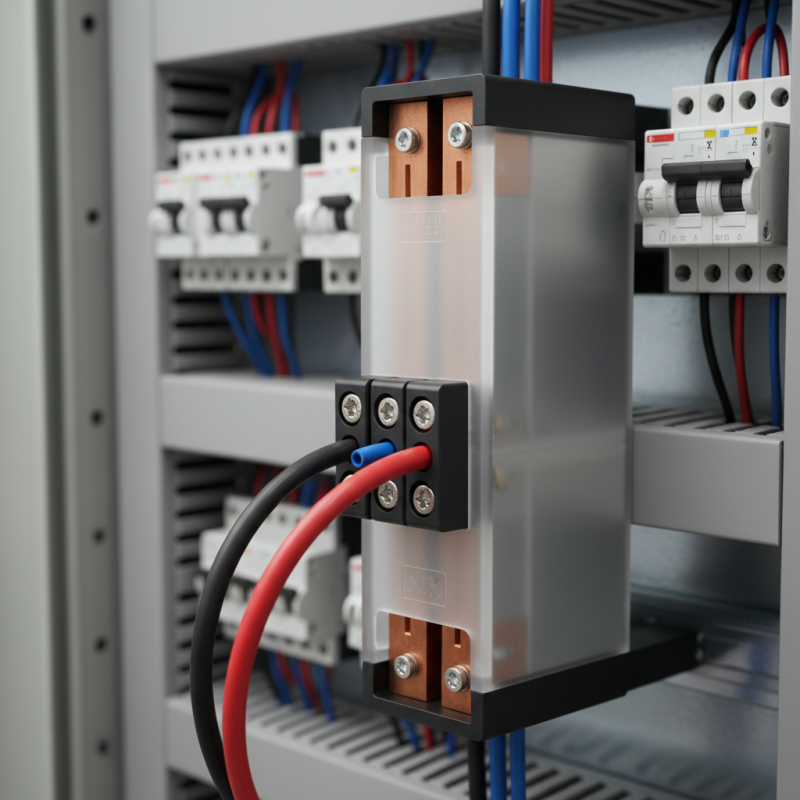
Busbar end feed units are essential in electrical distribution systems. They provide a reliable method to connect busbars to power sources or other busbars. Understanding their functionality can help you choose the right unit for your needs.
The global busbar market is projected to grow significantly. According to a report by MarketsandMarkets, it is expected to reach $14.8 billion by 2025, with a compound annual growth rate (CAGR) of 8.7%. This growth highlights the increasing reliance on efficient electrical distribution systems. Busbar end feed units play a vital role in this efficiency. They ensure proper current flow while minimizing losses.
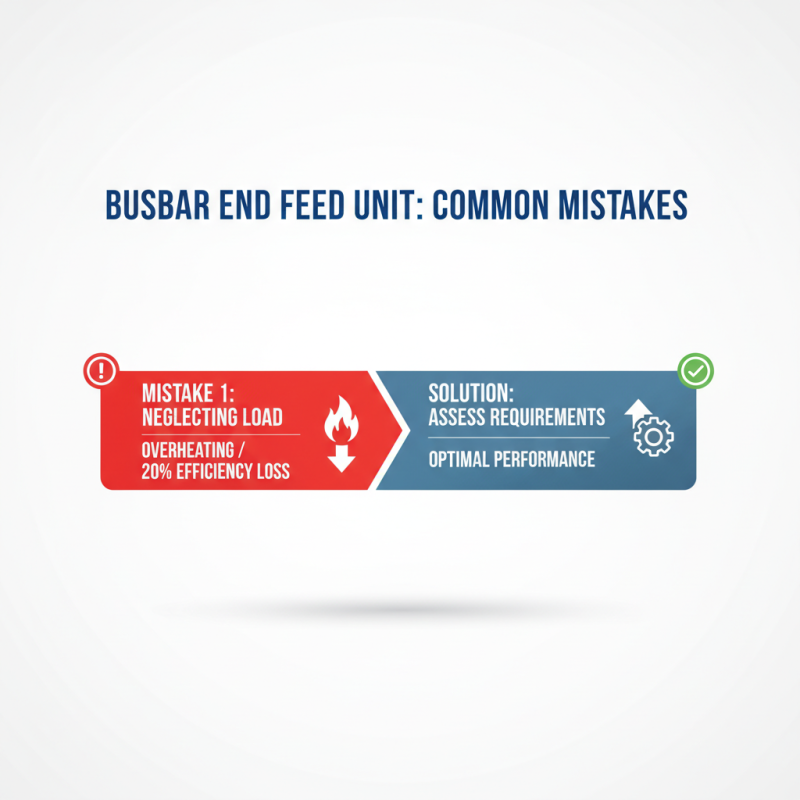
When selecting a busbar end feed unit, consider several factors. These include the rated current, type of insulation, and environmental conditions. A poorly chosen unit can lead to overheating or electrical failures. Various insulation materials cater to different environments, affecting performance and durability. It's crucial to thoroughly assess these aspects to avoid costly mistakes. Each application has unique requirements; thus, one-size-fits-all solutions might fall short. Proper planning and detailed understanding can prevent regrettable choices that affect operational efficiency.
Choosing the Right Busbar End Feed Unit: Data Insights
This chart illustrates the key parameters to consider when selecting a busbar end feed unit, showcasing the voltage and current ratings, as well as the types of materials and insulation commonly used. Such insights can help in making informed decisions tailored to specific electrical needs.
Key Factors to Consider When Selecting a Busbar End Feed Unit
When selecting a busbar end feed unit, several key factors come into play. The first is the electrical rating. Ensure it meets your system's voltage and current requirements. Too low a rating can lead to overheating. Also, consider the physical size. A too-large unit may not fit your space. Look for dimensions that provide a snug fit without forcing the installation.
Another critical aspect is the installation environment. Will it be indoors or outdoors? Units designed for outdoor use are often more durable against weather elements. Additionally, pay attention to the material. Aluminum is lightweight, while copper offers better conductivity. Each has its pros and cons, depending on your specific needs.
Lastly, don’t overlook compatibility with existing systems. Mismatched units can cause functionality issues. It's essential to reflect on the overall efficiency of your setup. Sometimes, it’s easy to get caught up in specifications and overlook practical aspects. Balancing these factors can seem daunting, but focusing on the specific requirements of your application will guide you to the right choice.
How to Choose the Right Busbar End Feed Unit for Your Needs? - Key Factors to Consider When Selecting a Busbar End Feed Unit
| Factor |
Description |
Recommended Options |
| Current Rating |
The amount of current the unit can handle without overheating. |
Choose based on your maximum load requirements (e.g., 100A, 250A). |
| Voltage Rating |
The maximum voltage the unit can support for safe operation. |
Select based on the system voltage (e.g., 400V, 690V). |
| Material |
The material used affects conductivity and durability. |
Copper or aluminum options are common; copper offers lower resistance. |
| Design Type |
Different designs may suit different installation environments. |
L-shaped, straight-through, or corner fittings are popular designs. |
| Ingress Protection Rating |
Indicates unit's resistance to dust and water ingress. |
Consider IP ratings like IP20 or IP65 based on location. |
| Compatibility |
Ensure the unit works with existing systems and components. |
Check for standardized connectors and interfaces. |
| Installation Type |
Determine if it's suitable for indoor or outdoor use. |
Select between surface-mounted or flush-mounted designs. |
Types of Busbar End Feed Units and Their Applications
Busbar end feed units play a crucial role in power distribution. Understanding the different types can help you make informed choices. There are two primary types: insulated and uninsulated units.
Insulated busbar end feed units offer extra protection against short circuits and insulation breakdown. They are suitable for environments with high moisture levels. This added safety can be beneficial but might lead to higher costs. On the other hand, uninsulated units are more compact and easier to install. They often work well in dry, controlled conditions.
Applications vary significantly. Industrial plants favor insulated units for safety. Commercial buildings might opt for uninsulated options to save space. Choosing the wrong type can lead to inefficiencies. It's essential to evaluate the environment and specific needs thoroughly. Balancing cost, safety, and application is key.