2026 How to Choose the Right Compact Busway for Your Needs
Choosing the right Compact Busway can be challenging. With many options available, understanding your specific needs is essential. A Compact Busway is crucial for efficient power distribution in various applications. It offers flexibility and space-saving solutions.
When considering a Compact Busway, reflect on your power requirements. Evaluate the electrical load and the physical space you have. Not all Compact Busways fit every scenario. Some might not meet your safety standards or efficiency goals.
It’s important to research manufacturers. Review their technical specifications and customer feedback. A reliable Compact Busway can lead to long-term savings. However, overlooking details might result in increased costs or safety risks. Seek expert advice to ensure you make informed decisions that align with your operational needs.
Understanding Compact Busway: Definition and Purpose
Compact busway systems are essential for electrical distribution. They help deliver power efficiently in various facilities. Understanding the definition and purpose of compact busway can guide you in making an informed choice.
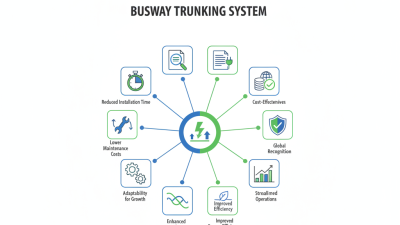
A compact busway is a type of electrical conduit that houses multiple conductors. It is designed to supply electricity to different areas within a building. One significant advantage is space-saving. Facilities with limited space benefit greatly from these systems. They reduce installation time, which can be crucial in tight schedules. However, some users find the initial investment challenging. It requires careful budgeting and planning.
The purpose of a compact busway is not just to transfer power. It also enhances safety and reliability in electrical systems. Many users report that compact busways minimize the risk of electrical fires. This feature is essential, especially in high-risk environments. Yet, ensuring proper installation and maintenance is vital. Neglecting these aspects can lead to performance issues. Hence, evaluating the system's compatibility with existing infrastructure is necessary.
Key Factors to Consider When Choosing a Compact Busway
When selecting a compact busway, several key factors come into play. The first consideration is the available space. A compact design is essential for small facilities. Larger busways might be overwhelming and impractical. Assessing the layout of your environment will provide clarity on what size and configuration will work best.
Next, think about the power requirements. Understand the current ratings and voltage levels necessary for your operations. This ensures that the busway can support your equipment without risk. Additionally, efficiency is crucial. Choose a system that minimizes energy loss. A compact busway should offer performance without sacrificing power management.
Tips: Check the thermal management features. Proper cooling is vital to maintain performance levels. Look at the design materials as well. High-quality components ensure longevity and reliability. Don't underestimate the ease of installation. A straightforward setup can save time and reduce costs. Testing different configurations during the planning stage may lead to better results. Embrace an iterative approach to refine your decision.
Comparing Different Types of Compact Busways on the Market
When selecting a compact busway, understanding the various types available is crucial. The market features three primary types: aluminum, copper, and steel. Aluminum busways are lightweight and corrosion-resistant, making them ideal for indoor applications. A report by the Electrical Power Research Institute indicates that aluminum systems can save up to 25% in material costs compared to traditional methods.
Copper busways, although heavier and typically more expensive, offer higher conductivity. This means they can handle larger electrical loads, which is vital for industrial settings. According to the International Electrotechnical Commission, copper busways can improve efficiency by up to 15%. However, the increased cost may not always justify the benefits for smaller operations.
Steel busways provide strength and durability, suited for harsh environments. Their lower initial cost makes them appealing but they often require additional protection against corrosion. Some users report that steel systems can have higher maintenance costs due to rusting. This raises questions about long-term reliability. Users should weigh initial savings against potential ongoing expenses.
Installation and Maintenance Tips for Compact Busway Systems
Choosing the right compact busway system is crucial for optimal performance. Effective installation and maintenance play significant roles in longevity and efficiency. According to industry reports, improper installation can reduce system efficiency by up to 30%. Ensuring proper alignment, secure connections, and adequate support can prevent many common issues.
Maintenance practices also demand attention. Regular inspections should focus on contact points and connections, which are vulnerable to wear and corrosion. In a study conducted by the Electric Power Research Institute, they highlighted that over 20% of failures in busway systems were due to neglected maintenance practices. Scheduled checks, dust removal, and tightening loose connections are essential strategies to extend the life of a compact busway system.
It's important to remember that even the best technologies require care. A system might appear to function correctly but can still experience subtle issues. For instance, temperature irregularities can indicate underlying faults. Being proactive in maintenance can save considerable costs in the long term. Implementing a routine inspection schedule can help identify and address issues before they escalate.
Evaluating Cost-Effectiveness and Efficiency of Compact Busways
When considering compact busways, cost-effectiveness and efficiency are crucial. A recent industry report indicates that compact busways can reduce installation costs by up to 30% compared to traditional systems. This significant saving stems from their lightweight design and simpler installation process. Additionally, compact busways require less physical space, which is valuable in urban environments where real estate is at a premium.
Efficiency also plays a key role in the decision-making process. According to the same report, compact busways can improve energy efficiency by 15-20%. This is largely due to their streamlined design, which minimizes energy loss during electricity distribution. Furthermore, regular maintenance needs are lower, which contributes to overall cost savings. However, it is important to weigh these advantages against specific project requirements. There can be limitations in load capacity that some heavier usage scenarios may not accommodate.
When assessing your needs, consider the long-term implications of your choice. Will lower immediate costs outweigh potential performance issues in the future? Balancing short-term savings with long-term effectiveness and reliability is essential for any project manager. Careful evaluation can lead to smarter investments and optimized operational outcomes in the long run.
2026 How to Choose the Right Compact Busway for Your Needs - Evaluating Cost-Effectiveness and Efficiency of Compact Busways
| Busway Type |
Cost per Meter ($) |
Rated Current (A) |
Efficiency (%) |
Installation Time (Hours) |
Maintenance Frequency (Years) |
| Type A |
50 |
400 |
95 |
12 |
5 |
| Type B |
65 |
500 |
92 |
10 |
4 |
| Type C |
55 |
450 |
90 |
8 |
6 |
| Type D |
70 |
600 |
93 |
15 |
3 |