How to Choose the Right Cast Resin Busbar for Your Needs?
Selecting the right Cast Resin Busbar involves crucial factors and informed decisions. The market for busbars is expected to grow significantly, projected to reach approximately $7 billion by 2027. This growth is driven by the increasing demand for efficient power distribution solutions.
Cast Resin Busbars offer advantages over traditional options, including enhanced durability and lower maintenance costs. However, many users struggle with understanding their specific needs. Choosing the right type of busbar can be complex. It requires a clear understanding of the operational environment and load requirements.
Also, the industry reports emphasize the importance of material quality and electrical performance. A mismatch could lead to performance issues or reduced lifespan. Reflecting on previous projects reveals that the decision-making process often requires careful consideration. Balancing cost, efficiency, and reliability can be daunting, but it's essential for optimal performance.
Understanding Cast Resin Busbars and Their Applications
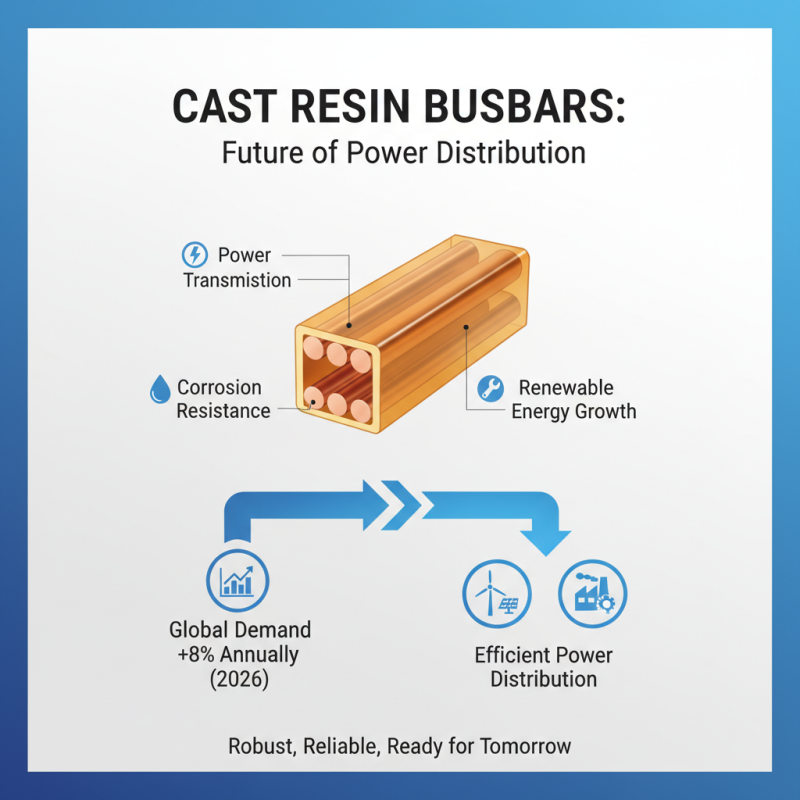
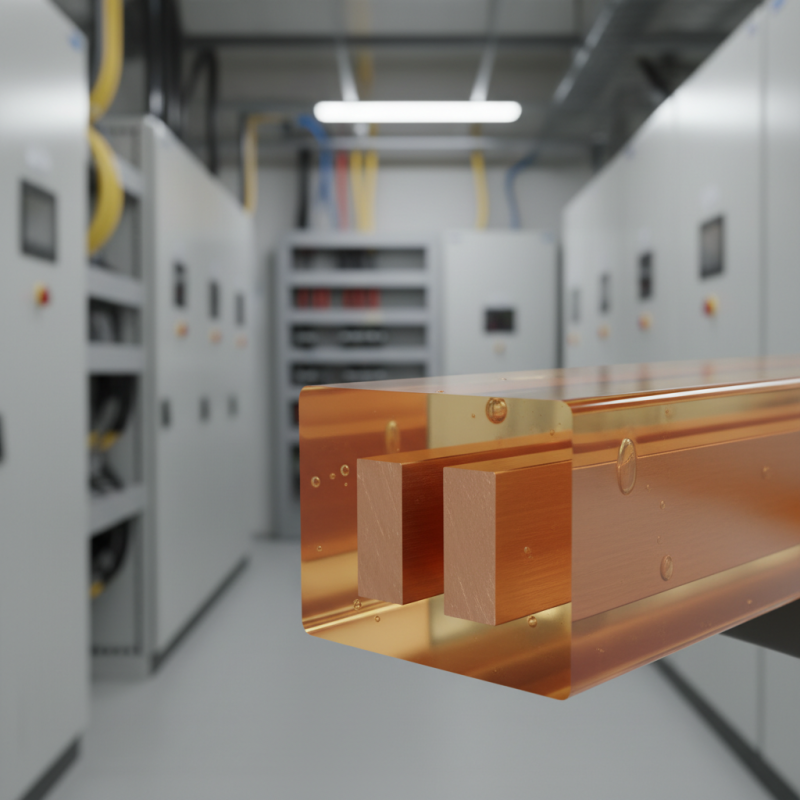
Cast resin busbars are vital in electrical distribution systems. They provide a robust solution for power transmission in multiple applications. Unlike traditional busbars, they offer advantages like corrosion resistance and reduced maintenance needs. According to a recent industry report, the global demand for cast resin busbars is expected to grow by 8% annually through 2026. This growth stems from the rise in renewable energy and the need for efficient power distribution.
Understanding their applications is crucial. Cast resin busbars are commonly used in substations, industrial plants, and even data centers. Their design allows for easy installation and flexibility in various environments. The insulation properties make them suitable for high voltage applications. However, not all cast resin busbars are alike. Factors such as material quality and manufacturing processes impact performance. Some may also struggle with heat dissipation, leading to efficiency losses in high-demand scenarios.
Choosing the right cast resin busbar involves considering these factors. It's essential to analyze your specific needs and environmental conditions. Seek information from industry studies and expert opinions. But remember, there can be challenges. Incorrect sizing or installation can cause severe issues, potentially outweighing the benefits. So, thorough research and planning are vital for optimal performance.
Key Factors to Consider When Selecting a Cast Resin Busbar
When selecting a cast resin busbar, several key factors come into play. Firstly, consider the electrical load that the busbar will carry. It should match your system's requirements to prevent overheating or failures. Depending on the environment, insulation levels matter as well. A humid or corrosive atmosphere demands high-quality materials.
Material selection is crucial. Some materials may not withstand extreme temperatures. Be aware of the operational limits of different resins. They may offer various mechanical strength and dielectric properties. Don't overlook the physical dimensions. A busbar that is too large or small can complicate installation and affect functionality.
**Tips**: Look for certifications. They indicate quality and reliability. Consider future expansion needs. Choosing a slightly larger busbar can save you trouble later. Evaluate the installation process. Complexity may mean additional costs and time. Always plan carefully and think ahead.
How to Choose the Right Cast Resin Busbar for Your Needs?
| Feature |
Importance Level |
Recommended Value |
Common Materials |
| Electrical Conductivity |
High |
≥ 90% IACS |
Copper, Aluminum |
| Thermal Conductivity |
Medium |
≥ 200 W/m·K |
Copper Alloy |
| Mechanical Strength |
High |
≥ 180 MPa |
Epoxy Resin, Glass Fiber Reinforced Plastic |
| Insulation Resistance |
Critical |
≥ 100 MΩ |
Cast Resin Material |
| Operating Temperature |
Medium |
-40°C to 120°C |
Polyester Resin, Epoxy Resin |
Comparing Different Types of Cast Resin Busbars Available
When selecting a cast resin busbar, understanding the various types is essential. The most common types include epoxy and polyester busbars.
Epoxy busbars generally provide excellent insulation and thermal stability. They are resistant to moisture, which helps ensure reliability in harsh environments.
Polyester busbars, while slightly less robust, offer excellent electrical performance and are often more cost-effective.
It's important to evaluate your specific requirements before making a decision. Consider factors such as environmental conditions, mechanical stress, and electrical load.
Is your setup exposed to high humidity? Will it endure significant physical impact? Some users find that one type performs better in a particular situation but may be less effective in another.
Choosing the wrong type can lead to inadequate performance. Each type has limitations that may not align with your needs. Testing different options in your unique situation could uncover unexpected results.
A less common busbar might outperform more popular ones in specific applications. Be open to experimenting, but also recognize that trial and error can be part of the learning process.
Evaluating Performance and Durability of Busbar Materials
When evaluating busbar materials, performance and durability are key criteria. These factors affect the long-term reliability of electrical systems. Cast resin busbars, typically made from epoxy or polyester resins, offer excellent insulation and mechanical strength. They can withstand environmental stressors like moisture and chemicals. Choosing the right resin is crucial; often, manufacturers offer various formulations tailored for specific applications.
Durability is not just about materials; it also involves design. Busbars must accommodate thermal expansion and contraction. Poor design choices can lead to premature failure. Conducting thorough stress tests is vital. Often, these tests highlight weaknesses that may not be apparent during initial assessments. Understanding these aspects can make a significant difference in a busbar's lifespan.
Another factor to consider is installation conditions. Improper installation can compromise even the best materials. Adhering to industry standards is essential for optimal performance. Regular maintenance can help identify potential issues early. Ignoring the need for maintenance may lead to catastrophic failures. Every detail matters when it comes to ensuring safety and efficiency in electrical systems.
Assessing Cost-Effectiveness and Installation Requirements
When considering cast resin busbars, cost-effectiveness and installation requirements are key factors. The total cost of ownership often includes initial expenses, installation, and long-term maintenance. According to industry reports, installation costs can vary significantly. Some installations may require specialized labor, increasing expenses by up to 30%.
Installation might also be hindered by site conditions. A study indicated that nearly 25% of projects faced unexpected delays due to inadequate infrastructure. Ensuring proper site evaluation before installation can mitigate such risks. Moreover, understanding load capacity is vital. If the busbar cannot handle peak demand, replacement or upgrades may be necessary. Such decisions can escalate costs unexpectedly.
Budget constraints often force compromises in material choices. While cheaper options seem appealing, they may lead to higher operational costs over time. According to recent findings, selecting high-quality components can reduce energy losses by up to 15%. Ultimately, thorough planning and an understanding of long-term implications will guide the best choices in this investment.
Cost-Effectiveness of Cast Resin Busbars Based on Material Type
This bar chart illustrates the cost per meter of different types of cast resin busbars, providing a visual assessment of their cost-effectiveness. Copper busbars are the most expensive, followed by composites and aluminum.