How to Choose the Right Busbar Electrical System for Your Needs?
When selecting a Busbar Electrical system, many factors come into play. Understanding your specific requirements is crucial. According to Dr. Robert Smith, an industry expert, “Selecting the right Busbar Electrical system can enhance efficiency and ensure safety.” His insight underscores the importance of making informed decisions in this area.
The choice of material, configuration, and current rating are all critical aspects to consider. Flaws in selection can lead to performance issues. Often, businesses overlook their actual power needs, impacting system reliability. A poorly chosen Busbar Electrical setup can result in increased maintenance costs and energy loss.
Incorporating the latest technology can improve performance but may complicate decisions. Different environments demand different solutions. Reflecting on past choices can provide valuable lessons. In the end, evaluating your options and consulting experts can lead to better outcomes.

Understanding the Basics of Busbar Electrical Systems
Busbar electrical systems are essential for distributing power in various applications. They consist of conductive bars that safely carry electricity. Understanding their basics can simplify the selection process. Busbars are available in different materials, such as copper and aluminum. Each material has its advantages and disadvantages. For instance, copper is highly conductive, while aluminum is lighter and often cheaper.
Choosing the right busbar system requires careful consideration. Think about your specific power needs and space limitations. Different installations may require varying configurations. For example, some systems allow for future expansion, which is an important factor for growing operations. Not all busbars suit every environment; exposure to moisture or extreme temperatures can degrade performance. It's crucial to question whether the selected system will hold up over time.
Reflect on your power distribution goals. Are they short-term or long-term? An overlooked aspect is ensuring that the system meets safety standards. Faulty selections can result in costly failures and safety hazards. As you assess options, gather input from stakeholders to align your choice with operational needs. An informed decision leads to greater efficiency and reliability in your power distribution system.
Evaluating Your Power Requirements for Busbar Selection
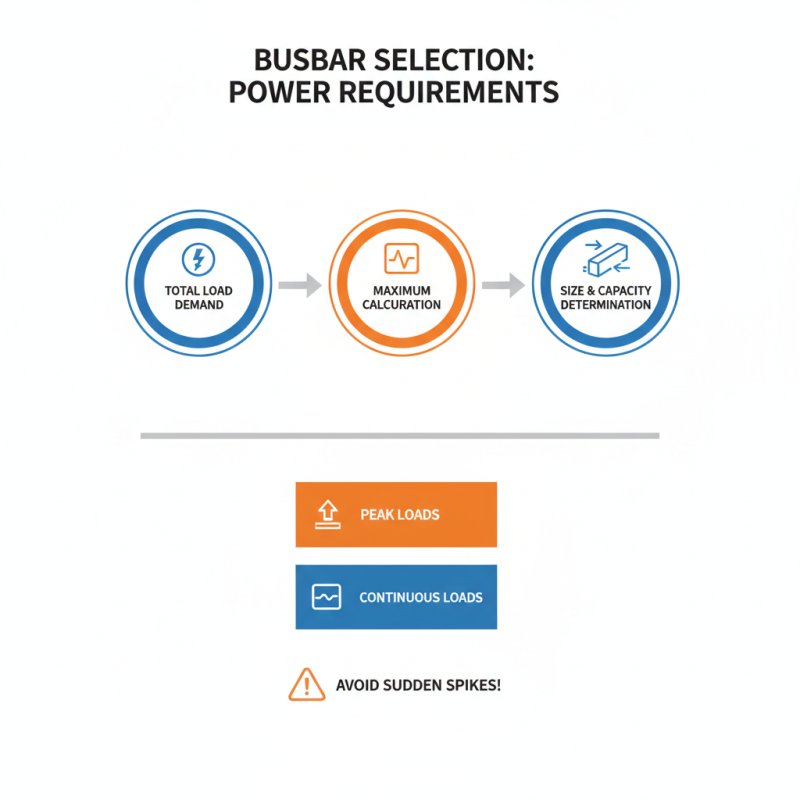
When selecting a busbar electrical system, understanding power requirements is crucial. Assessing these needs begins with looking at the total load demand. Calculate the maximum current your system will encounter. This helps determine the size and capacity of the busbar. Consider both peak and continuous loads in your calculations. It’s easy to overlook sudden spikes that could lead to failures.
Next, think about future expansions. Will your facility need more power in a year or two? Plan ahead. Oversizing can increase costs, but undersizing leads to performance issues. Balance is key. Pay attention to environmental factors as well. For instance, high temperatures can affect performance. Evaluate the installation environment to ensure safety and efficiency.
Don’t forget about installation requirements. Sometimes, installation space is limited, which can impact your choices. Contact professionals for advice or consult guidelines. It’s a trial-and-error process. You may find yourself making adjustments as you learn. This journey of selecting the right busbar system is as much about understanding your current needs as it is about anticipating future changes.
Comparing Different Types of Busbar Materials and Designs
Choosing the right busbar electrical system requires understanding materials and designs. Busbars come in various forms, like copper and aluminum. Copper is known for its excellent conductivity. It provides efficient power distribution. Aluminum is lighter and often more cost-effective. However, it may require larger cross-sections.
When considering design, look at the layout. Compact designs save space but may limit thermal performance. Busbars need proper spacing for airflow. An open design allows for better cooling. Another aspect is insulation. Choosing the right insulation can prevent shorts and ensure safety.
Tips: Think about the environment. High humidity can corrode materials. Consider maintenance; some materials need more care. Review your system's expected load. An improper choice can lead to overheating. Reflect on your budget, but don't compromise on quality.
How to Choose the Right Busbar Electrical System for Your Needs?
| Material Type |
Conductivity (S/m) |
Corrosion Resistance |
Thermal Conductivity (W/m·K) |
Common Applications |
Cost (per kg USD) |
| Copper |
5.8 x 10^7 |
Excellent |
401 |
Power Distribution |
6.00 |
| Aluminum |
3.5 x 10^7 |
Good |
235 |
Industrial Applications |
2.50 |
| Copper-Nickel Alloy |
4.5 x 10^7 |
Very Good |
330 |
Marine Applications |
8.00 |
| Stainless Steel |
1.3 x 10^7 |
Excellent |
16 |
Food Processing |
10.00 |
Assessing Installation Space and Environmental Conditions
When selecting a busbar electrical system, installation space and environmental conditions are crucial. Industry reports indicate that improper space assessment leads to 30% of installation issues. Limited space can restrict airflow, causing heat build-up. Heat can degrade performance or even lead to failure. Therefore, careful scrutiny of available space is necessary.
Environmental factors also play a significant role. The National Electrical Manufacturers Association states that humidity and dust can impact busbar systems. High humidity areas may require special coatings or treatments. Dust accumulation can hinder performance and spark electrical errors. Evaluating the conditions in which the system operates can mitigate long-term risks.
Inconsistencies in power delivery, as reported by the Electrical Safety Foundation International, often arise from environmental neglect. Assessing both space and conditions ensures the longevity of your system. Balancing these aspects is challenging but vital. A perfect solution may not exist, but awareness can reduce the likelihood of issues.
Ensuring Compliance with Safety Standards and Regulations
When selecting a busbar electrical system, safety standards are paramount. Compliance with regulations ensures the safety of both personnel and equipment. According to a report by the International Electrotechnical Commission, improper designs lead to nearly 30% of electrical system failures. This highlights the importance of choosing compliant systems.
Busbars must meet the National Electrical Code (NEC) standards. These standards guide the installation, maintenance, and operation of electrical systems. Inadequate adherence to these guidelines can create severe hazards. It increases the risk of electric shock and fire. Data indicates that over 300 electrical fires occur annually due to non-compliance with safety standards.
Regular audits and inspections can help ensure compliance. Many facilities overlook this crucial step, leading to potential failures. Having a third-party review the installation adds an extra layer of security. According to a survey, 40% of electrical failures stem from poor installation practices. Revisiting safety measures and compliance can drastically decrease such incidents.