Why Choose Compact Busway for Your Electrical Needs?
In the ever-evolving world of electrical infrastructure, choosing the right system is crucial. Compact Busway has emerged as a reliable solution for many applications. Its design maximizes space while ensuring efficient power distribution. This innovation is particularly beneficial in crowded environments where space is at a premium.
With guided engineering and solid performance history, Compact Busway systems deliver safety and efficiency. They offer flexibility in installation and adaptability for diverse settings. Users often find that this system enhances their operational capabilities. However, not every scenario may suit a Compact Busway. Consideration of installation costs and specific electrical demands is vital.
Understanding your unique needs can lead to the best decisions. Compact Busway provides an innovative alternative, yet it requires thoughtful evaluation. Balancing efficiency and cost may sometimes be challenging. As you explore options, weigh the benefits against potential limitations.
Overview of Compact Busway and Its Applications
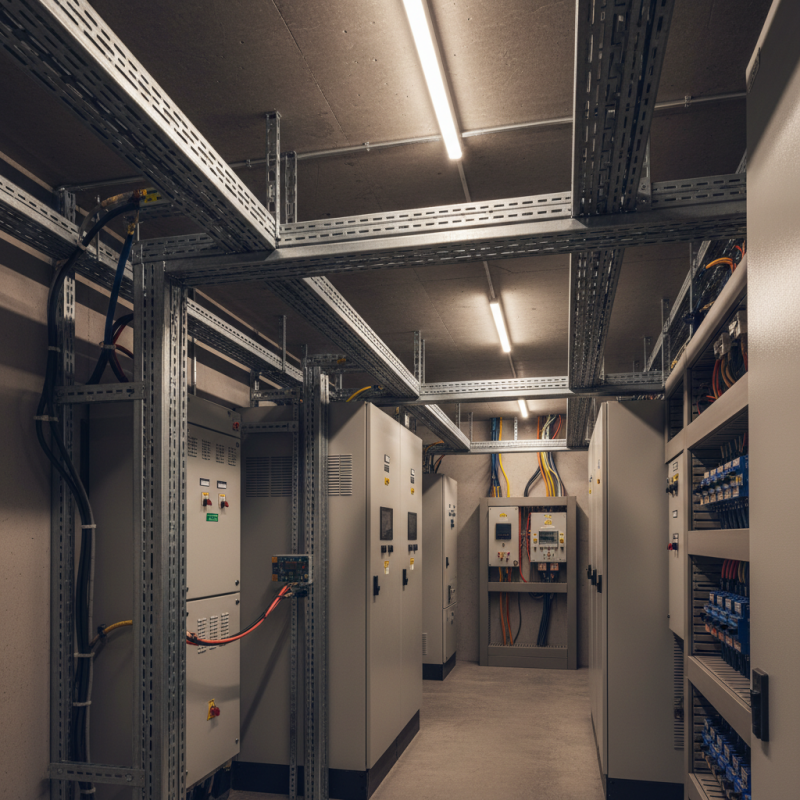
Compact busway systems are gaining traction in various industries due to their unique applications and advantages. These systems provide an efficient way to distribute electrical power while saving space and reducing installation time. According to a recent industry report, the global busway market is expected to grow at a CAGR of 5.6% over the next five years. This growth is driven by the rising demand for efficient and flexible electrical distribution systems. Compact busways are ideal for commercial buildings, data centers, and industrial facilities.
When using compact busway systems, consider the thermal management aspect. Proper thermal design ensures optimal performance and longevity. Make sure to check the maximum current ratings and ambient temperature limits specified by the manufacturer. Adhering to these specifications can prevent potential overheating, a crucial consideration in high-load environments.
For best results, engineers recommend regular maintenance inspections. These checks can identify wear and tear before they become critical issues. Technicians should also pay attention to the connection points, as these are common areas for electrical resistance faults. A little diligence can lead to significant energy savings and system reliability.
Benefits of Using Compact Busway for Power Distribution
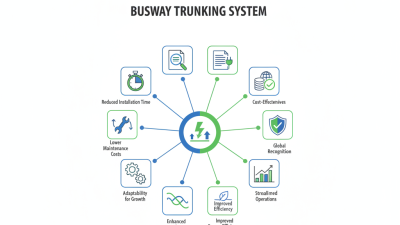
Compact busway systems stand out in power distribution for numerous reasons. These systems occupy less space than traditional wiring methods, making them ideal for tight urban environments. They simplify the installation process, reducing labor time and costs. This ease results from their modular design, which allows for quick configuration and adjustment.
Durability is another significant advantage. Compact busways are built to withstand harsh conditions, which ensures consistent performance over time. They also have superior heat dissipation, reducing the risks of overheating. However, it’s crucial to ensure proper installation. Failure to do so can lead to inefficiencies or potential hazards.
Compact busways provide excellent reliability compared to conventional systems. Their low maintenance requirements save both time and resources. Additionally, they can adapt to changes in power demands without major overhauls. Users must also evaluate their unique needs carefully. An improperly sized busway can lead to performance issues. Overall, these systems deliver substantial benefits for modern electrical installations, making them a wise choice for many applications.
Why Choose Compact Busway for Your Electrical Needs? - Benefits of Using Compact Busway for Power Distribution
| Feature |
Description |
Benefits |
| Compact Design |
Space-saving architecture that allows for more efficient use of facility space. |
Maximizes available space, ideal for tight locations. |
| Ease of Installation |
Designed for quick, simple installation with minimal tools required. |
Reduces labor costs and installation time. |
| Scalability |
Flexible design that allows for easy modification and expansion. |
Adaptable to changing power needs, prolonging system life. |
| Safety Features |
Includes built-in protection against overloads and short circuits. |
Enhances safety for personnel and equipment. |
| Energy Efficiency |
Optimized design reduces energy losses during power distribution. |
Lower energy costs and improved sustainability. |
| Durability |
Built with high-quality materials to withstand harsh environments. |
Longer lifespan and reduced maintenance costs. |
Comparison of Compact Busway with Traditional Systems
Modern electrical systems face increasing demands for efficiency and flexibility. Compact busways offer advantages over traditional systems. A report from the Institute of Electrical and Electronics Engineers (IEEE) shows that compact busway systems can improve energy efficiency by up to 30%. This significant reduction in energy consumption also lowers operating costs over time.
Traditional bus systems often require extensive space and support infrastructure. In contrast, compact busways require less installation space, making them ideal for tight environments. Compact designs allow for easier retrofitting within existing structures. According to a report by the National Electrical Manufacturers Association (NEMA), the installation time for compact busways can be reduced by up to 40%. This means faster project completion, enhancing productivity.
While compact busways provide numerous benefits, they also come with challenges. Overheating can occur if the systems are not properly sized or installed. Additionally, maintenance may require specialized knowledge. Users must weigh these considerations carefully. A thoughtful approach is crucial to ensure reliable performance and longevity of the system.
Key Features and Specifications of Compact Busway
Compact busway systems are gaining traction in electrical infrastructure. These systems offer unique advantages that meet modern power distribution needs. The design focuses on efficient space utilization, making them suitable for various applications. A compact busway minimizes installation footprint while maintaining high amperage capacities, often rated up to 6,000 amps.
Key specifications include robust aluminum or copper conductors that ensure optimal conductivity. Reports indicate that busway systems can reduce installation time by 50%, lowering labor costs. They are also resistant to environmental factors, enhancing reliability in demanding conditions. A notable feature is the modular design, allowing for easy upgrades or expansions.
**Tip:** When considering compact busway systems, evaluate your current and future power demands. A well-planned system can adapt seamlessly as requirements change.
Another benefit is the reduced risk of electrical hazards. With proper insulation and cooling mechanisms, busways effectively manage heat dissipation. According to industry data, these systems can lower malfunction rates by up to 30%. However, assessing installation conditions is essential.
**Tip:** Engage with a professional to ensure the optimal layout. A flawed design can lead to inefficiencies and increased operational costs. Choosing a compact busway can prove beneficial, provided the specifics align with your project's needs.
Common Industries and Scenarios for Implementing Compact Busway
Compact busway systems offer flexible electrical solutions across various industries. These systems are particularly effective in manufacturing, data centers, and commercial facilities. In manufacturing, busways simplify power distribution while enhancing equipment mobility. They can be easily reconfigured as production needs change. In data centers, the demand for reliability is critical. Compact busways provide high-density connections, reducing the risk of downtime.
In commercial facilities, energy efficiency is vital. Busway installations can significantly lower energy losses compared to traditional wiring systems. Hospitals also benefit from compact busways due to their clean installation and modularity. It allows for quick upgrades in power requirements without major disruptions.
However, not every scenario is ideal for compact busways. Budget constraints and specific design requirements may limit their application. It’s essential to assess the unique needs of each project. Any decision should weigh the advantages against potential limitations. Overall, understanding these scenarios can lead to more informed choices in electrical design.