Why Choose Sandwich Bus Duct for Your Electrical System?
In the rapidly evolving landscape of electrical systems, the choice of materials can significantly impact performance. One such material gaining traction is the Sandwich Bus Duct. Renowned industry expert Dr. Emily Carter states, "Using Sandwich Bus Duct can enhance efficiency while reducing installation space." Her insights highlight the growing preference for this innovative conduit.
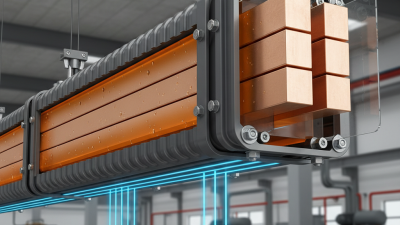
Sandwich Bus Duct combines compactness with superior electrical conductivity. Its design allows for efficient heat dissipation, which is crucial for maintaining system integrity. Unlike traditional methods, the Sandwich Bus Duct doesn’t only save space; it also simplifies the complexity of installations. Many industries have begun to recognize its advantages, although some still cling to outdated systems.
However, the transition to Sandwich Bus Duct isn’t without challenges. Adapting to a new installation process requires training and time. Additionally, upfront costs may seem daunting to some project managers. Yet, the long-term benefits, in terms of both efficiency and sustainability, often outweigh initial hesitations.
Benefits of Sandwich Bus Duct in Electrical Systems: An Overview
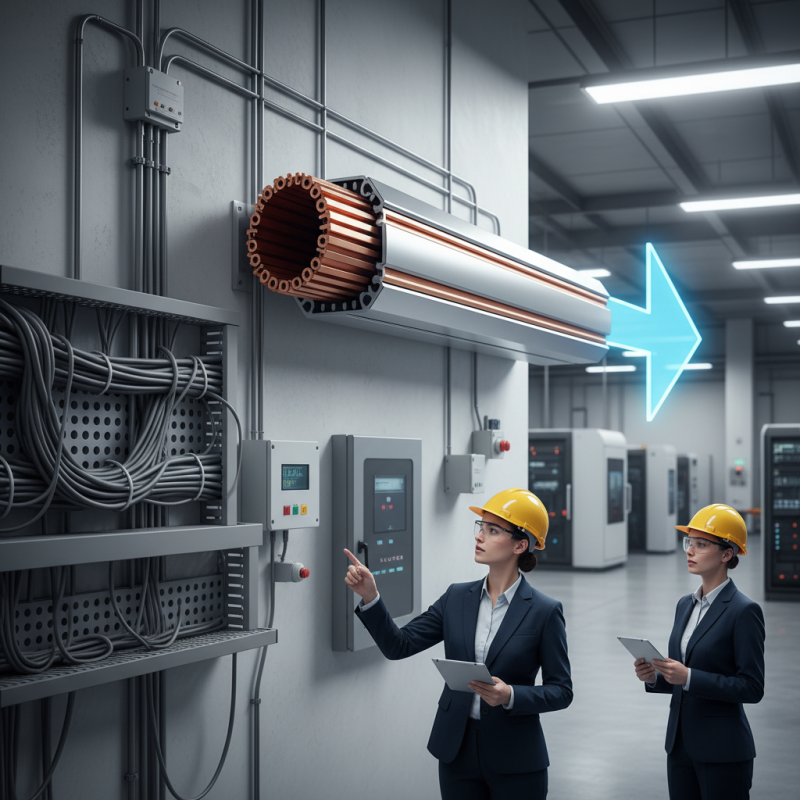
Sandwich bus duct systems offer significant advantages for electrical setups. Their compact design allows for easy installation in limited spaces. Research shows that using sandwich bus ducts can improve efficiency by up to 20%. This reduction in size doesn’t compromise their capacity. In fact, they can handle high currents as effectively as traditional systems.
A key benefit of sandwich bus ducts is their thermal management. They have effective heat dissipation properties, which can extend the lifespan of electrical components. A report by industry analysts indicates that better thermal performance can lead to a 30% reduction in maintenance costs. This is crucial for any facility aiming to reduce operational expenses.
Tip: Always assess the load requirements before choosing a bus duct system. Proper sizing can prevent overheating or electrical failures. Remember, installation locations matter. Misalignment or poor placement can lead to inefficiencies. Evaluate your electrical layout carefully.
Overall, sandwich bus ducts present a modern approach to electrical distribution. Their design not only conserves space but actively improves system reliability. The data supports these claims, but careful planning and execution are essential for success.
Benefits of Sandwich Bus Duct in Electrical Systems
Comparative Analysis: Sandwich Bus Duct vs. Traditional Bus Systems
When it comes to electrical systems, choosing the right bus duct is crucial. Sandwich bus duct offers many advantages over traditional bus systems. Its compact design helps save space, which is beneficial in crowded environments. Moreover, it often has a higher current rating. This can improve overall efficiency.
Sandwich bus duct provides better thermal management. This feature prevents overheating. In contrast, traditional systems often lack this capability. It helps to avoid potential failures and reduces maintenance costs. However, installation can be more complex compared to simpler traditional systems. Careful planning and skilled labor are essential.
Tips: Select a sandwich bus duct that matches your load requirements. Always inspect installation sites for potential obstacles. Additionally, prioritize safety features to prevent electrical hazards. Overlooking these can lead to significant long-term issues.
Energy Efficiency and Heat Dissipation in Sandwich Bus Ducts
Sandwich bus ducts offer significant advantages in energy efficiency and heat dissipation. These systems are designed to optimize electrical conductivity while maintaining low resistance. According to industry reports, effective designs can reduce operational losses by up to 30%. Such reductions are crucial in large facilities with high energy demands.
Heat management is another vital aspect. Sandwich bus ducts typically feature a layered structure. This setup enhances thermal distribution and minimizes hotspots. Studies indicate that bus ducts can operate 10-15% cooler than traditional systems. This cooler operation results in longer equipment life and reduced maintenance costs. However, the complexity of installation can lead to inefficiencies. When not properly configured, heat dissipation may not perform as expected.
Additionally, environmental considerations come into play. A more energy-efficient electrical system contributes to lower carbon emissions. However, achieving these benefits requires meticulous planning. For instance, miscalculations in load requirements can negate the efficiency gains. Hence, while choosing sandwich bus ducts can be promising, careful analysis is crucial for maximizing their benefits.
Future Trends: Innovations in Sandwich Bus Duct Technology
The sandwich bus duct technology is evolving rapidly. It offers
efficient power distribution with a focus on compact design. The future trends suggest enhanced insulation materials and improved thermal management. These innovations aim to reduce energy loss and increase reliability.
Emerging technologies, such as Internet of Things (IoT) integration, will enhance monitoring capabilities. Real-time data can optimize performance and prevent failures. However, the challenge lies in balancing complexity and simplicity.
Keeping systems user-friendly is crucial as features expand.
Sustainability is driving change in sandwich bus duct design. Manufacturers are exploring
recyclable materials to minimize environmental impact. Yet, there's a need for more research and testing. Implementing these innovations may raise costs initially.
The industry must weigh long-term benefits against upfront expenses.