Why Choose Flexible Busbar for Your Electrical Needs?
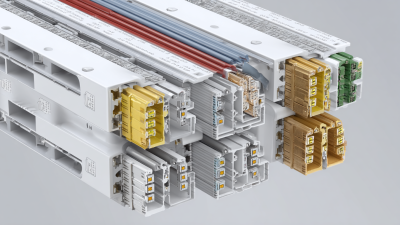
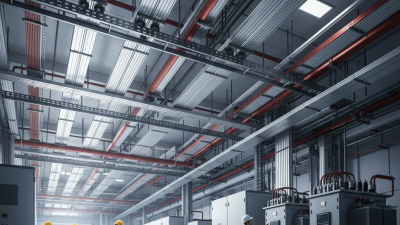
The growing demand for efficient electrical solutions has led to the rise of Flexible Busbar systems. These systems offer versatile connections that enhance the reliability of electrical installations. According to a report from MarketsandMarkets, the global busbar market is expected to reach $11.7 billion by 2025, driven by the increasing need for sustainable energy solutions. Flexible Busbars are a key player in this market, providing customization to meet specific application requirements.
Their design allows for easy installation and reduces the risk of errors during setup. Industries such as renewable energy, data centers, and manufacturing benefit greatly from these systems. However, users should be aware of potential installation challenges. It is essential to understand the operational environment and load demands to prevent connectivity issues. Relying solely on Flexible Busbars without thorough planning may lead to unexpected failures.
Incorporating Flexible Busbars into your electrical infrastructure can significantly enhance performance when adequately implemented. As the industry evolves, staying informed on best practices and emerging technologies becomes vital. Being mindful of these aspects will ensure a reliable and efficient electrical system tailored to your needs.
Benefits of Using Flexible Busbar in Electrical Systems
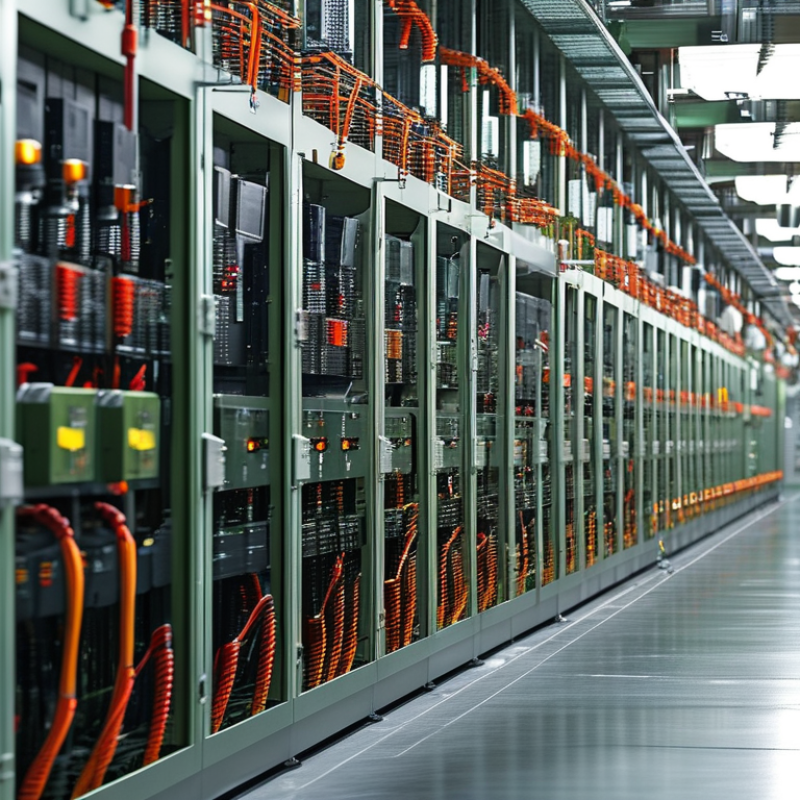
Flexible busbars are transforming electrical systems, bringing several significant benefits. These busbars are highly adaptable, accommodating various configurations easily. Their lightweight design also allows for simpler installations and reduced space requirements. According to a report by Research and Markets, the global flexible busbar market is projected to grow by 20% over the next five years. This indicates a rising acceptance and reliance on flexible solutions in many industries.
One key advantage of flexible busbars is their enhanced thermal efficiency. They can manage heat dissipation better than traditional rigid systems. The ability to bend and shape flexible busbars reduces stress at connection points. This flexibility decreases potential failures caused by thermal expansion. In a study cited by the International Electrotechnical Commission, flexible busbars have shown a significantly lower failure rate compared to their rigid counterparts, which makes them a more trustworthy option for critical applications.
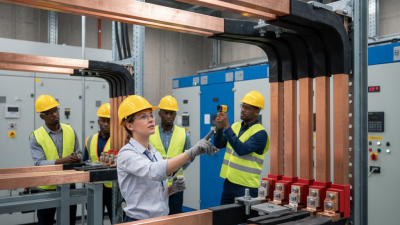
Moreover, flexible busbars improve safety in electrical installations. Their unique design minimizes the risks of shorts and electrical arcing. This design is especially essential in high-density environments. However, reliance on flexible systems should also consider the installation expertise. Incorrect installations can negate the advantages of using these busbars. Proper training and adherence to best practices are crucial for maximizing their potential benefits.
Comparing Flexible Busbar with Traditional Wiring Options
When choosing between flexible busbars and traditional wiring options, it is essential to consider several key factors. Flexible busbars offer enhanced adaptability, allowing for customized designs that fit specific needs. Traditional wiring can be rigid and cumbersome, often leading to installation challenges. Flexible busbars reduce the risk of damage during setup. They can bend and twist without breaking, which is a significant advantage in tight spaces.
Moreover, flexible busbars often show improved thermal management. They distribute heat more evenly than traditional wires. This feature can prolong the lifespan of electrical components. However, some may argue they are more expensive upfront. It's crucial to weigh this cost against potential long-term savings. Over time, the efficiency and durability of flexible busbars could offset initial investments.
In terms of safety, flexible busbars tend to have fewer failure points. Traditional wiring can have many connections and joints, which are potential hazards. In contrast, fewer connections in busbars lead to a decreased risk of electrical faults. Yet, installation still requires skilled professionals. Without proper knowledge, even flexible options can become a safety concern. Consider the experience of the installation team. Their expertise can significantly impact the efficacy of the system.
Why Choose Flexible Busbar for Your Electrical Needs? - Comparing Flexible Busbar with Traditional Wiring Options
| Criteria |
Flexible Busbar |
Traditional Wiring |
| Installation Time |
Faster installation due to flexibility and prefabrication |
Longer installation time, requiring intricate connections |
| Space Efficiency |
Compact design saves space |
Bulkier and requires more space for routing |
| Current Carrying Capacity |
High current capacity with minimal voltage drop |
Limited capacity, prone to voltage drop issues |
| Maintenance |
Low maintenance required |
Higher maintenance due to wear and tear |
| Safety |
Lower risk of electrical faults and shorts |
Higher risk associated with exposed wires |
| Cost |
Higher upfront cost, but cost-effective in the long run |
Lower upfront cost, but higher long-term expenses |
Applications of Flexible Busbar in Various Industries
Flexible busbars have become crucial components across various industries due to their adaptability and reliability. In data centers, for instance, flexible busbars facilitate efficient power distribution. According to a recent report from the International Data Corporation, the demand for data center infrastructure is projected to grow by 12% annually. This growing demand emphasizes the importance of flexible busbars in ensuring effective energy management and reducing downtime.
In renewable energy systems, flexible busbars are gaining traction for their ability to connect solar panels and wind turbines seamlessly. The Global Renewable Energy Report indicates that solar energy capacity has increased by 20% in the last year, highlighting the need for efficient energy transfer solutions. Flexible busbars help reduce energy loss during transmission. However, challenges remain regarding their installation in tight spaces and the need for proper engineering assessments.
Manufacturing facilities also benefit from flexible busbars. They allow for quick adjustments to power systems, which is crucial in fast-paced environments. A report from the Manufacturing Association noted that energy-efficient systems can reduce costs by up to 30%. Yet, companies must address potential issues like thermal expansion and the ability to withstand mechanical stress. Careful planning is essential to maximize their benefits in production lines.
Key Factors to Consider When Choosing Flexible Busbar
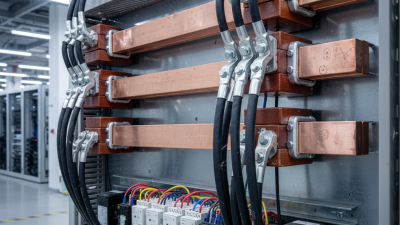
When selecting a flexible busbar, certain key factors come into play. One essential aspect is conductivity. High-quality materials ensure efficient power distribution. Copper is commonly preferred due to its excellent conductive properties. However, aluminum is also an option. It's lighter but less conductive. The choice depends on specific project requirements.
Another crucial factor is flexibility. This feature allows for easy installation in various configurations. A busbar's design should accommodate space constraints and complex layouts. Some designs may not offer enough adaptability, which could lead to installation challenges. It's important to assess your setup and choose accordingly.
Additionally, thermal management is vital. A well-designed flexible busbar can dissipate heat effectively. Overheating is a common issue that can reduce functionality and safety. Pay attention to the temperature rating and thermal characteristics of the busbar. Ignoring these details may lead to premature failures. Always evaluate your needs thoroughly.
Maintenance and Lifespan of Flexible Busbar Solutions
Flexible busbars are essential for modern electrical systems. Their maintenance and lifespan are critical factors for efficiency. Regular inspections help ensure they function properly. Wear and tear can occur over time, impacting performance.
Dust and debris can accumulate on flexible busbars, which may lead to overheating. Keeping these components clean is vital. It’s important to note that excessive bending or twisting can affect the lifespan. Observing the manufacturer’s guidelines is recommended for optimal use.
Incorporating flexible busbars can reduce installation costs due to their lightweight design. However, improper installation can lead to failures. Regular checks and a commitment to maintenance enhance their reliability. This proactive approach helps prevent costly downtime and improves overall system longevity.
Comparison of Maintenance Cost and Lifespan of Flexible Busbar vs Traditional Busbar