Why Choose Busbar Busduct for Efficient Power Distribution?
In the realm of efficient power distribution, the choice of Busbar Busduct systems has become increasingly significant. According to industry experts, these systems provide clear advantages in both safety and performance. John Smith, a leading specialist in power distribution technology, asserts, "Busbar Busduct systems enhance reliability while reducing installation time." With energy consumption rising globally, innovative solutions are essential. A report from the International Energy Agency notes that electricity demand is projected to increase by 30% by 2040, emphasizing the urgency for efficient distribution methods.
Busbar Busduct systems facilitate streamlined power delivery with reduced losses. Their compact design allows for greater space efficiency compared to traditional cabling. This transformation is critical as industries strive for both sustainability and operational efficiency. Despite these benefits, some challenges remain. Switching from conventional systems to Busbar Busduct can involve significant initial costs and require thorough understanding. Therefore, businesses must weigh long-term savings against immediate expenses.
The integration of such technology is not merely about cost. It’s about ensuring safety and reliability in increasingly complex power networks. While there’s a promising outlook, reflection on deployment strategies is vital. Embracing Busbar Busduct technology may require overcoming various hurdles, but the potential rewards are transforming how we think about power distribution.
Definition and Functionality of Busbar Busduct
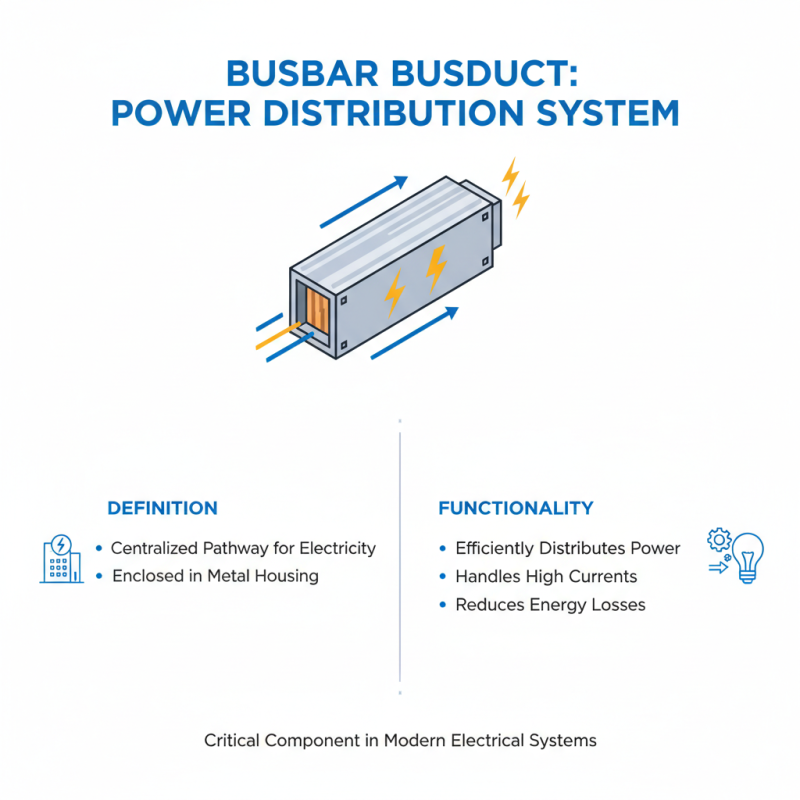
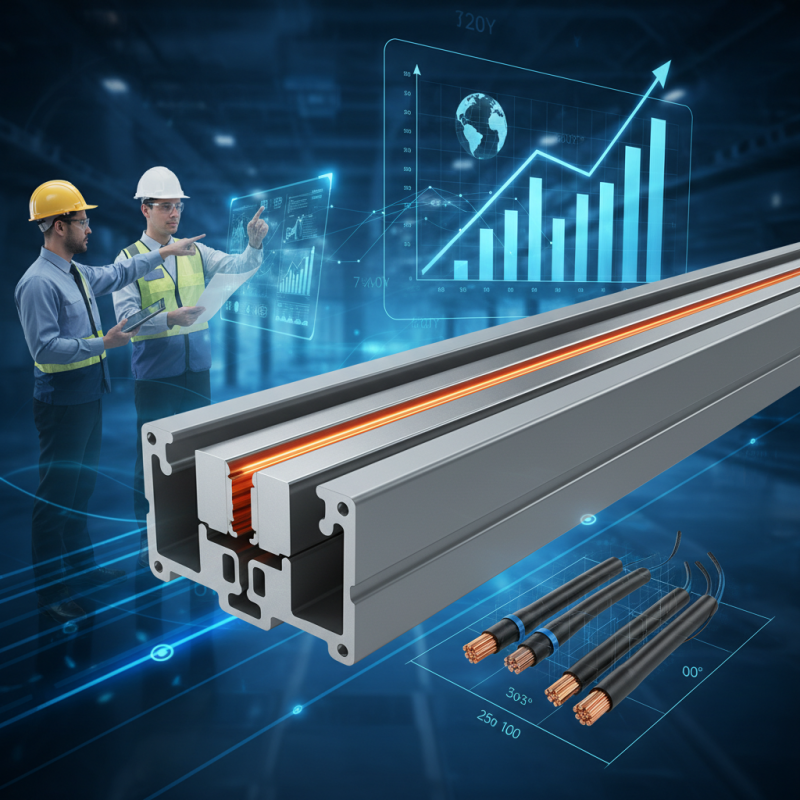
Busbar busduct is a critical component in modern electrical systems. It serves as a centralized pathway for electricity. Typically enclosed in metal housing, it efficiently distributes electrical power throughout a facility. Busduct can handle high currents and reduce energy losses, making it a popular choice.
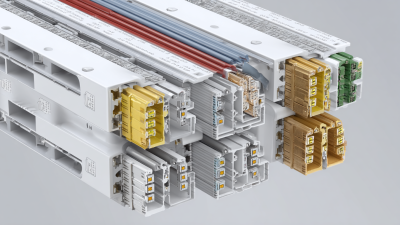
The functionality of busbars lies in their design. They are composed of conductive bars that interconnect various electrical devices. This minimizes the number of connections, enhancing reliability. In a large building, multiple busbars can supply power to different sections seamlessly. They are often made from aluminum or copper, each having its advantages.
However, installation requires careful planning. Miscalculations can lead to inefficiencies. Regular maintenance is also essential. Dust and corrosion can affect performance. Understanding the specific power needs of a facility is crucial. It helps avoid overloading and potential hazards, which could be devastating.
Advantages of Using Busbar Busduct in Power Distribution
Busbar busduct systems offer several advantages for efficient power distribution. They provide a compact alternative to traditional wiring methods. With their minimal size and weight, installation can be simpler, especially in tight spaces. Using busduct reduces the need for complex cable layouts. This can save both time and labor costs during installation.
Busbar systems enhance safety as well. They are designed to contain electrical arcs and prevent overheating. This feature can mitigate risks in high-voltage environments. Additionally, maintenance is often easier with busducts. Technicians can inspect connections without extensive downtime. However, inadequate attention to grounding can lead to inefficiencies.
Integration of busbar systems can lead to improved reliability. They can handle higher currents efficiently. It's crucial to assess the system's compatibility with existing infrastructure. Sometimes, this involves unexpected challenges, like adapting to current load requirements. Overall, the decision to use busbar busducts should consider both benefits and potential drawbacks.
Comparative Analysis: Busbar Busduct vs. Traditional Wiring
When comparing busbar busduct to traditional wiring, many factors come into play. Busbar systems offer enhanced efficiency. They reduce energy loss and ensure better current distribution. In contrast, traditional wiring can lead to hotspots. This can cause failures or risks of overheating.
One notable advantage of busbars is their compact design. They require less space and can be easily integrated into existing systems. Traditional wiring often demands more room, complicating layout. This can make retrofitting challenging and costly. Busbars are quicker to install, saving both time and labor costs.
Tips: Always consider the layout of your facility. A well-thought-out plan can improve efficiency immensely. Keep in mind that maintenance should be straightforward. Regular checks on busbars can prevent potential issues.
While busbars are efficient, they aren't flawless. They may require extensive planning during initial installation. If not installed correctly, issues like arcing can arise. Traditional wiring does offer flexibility but often at the cost of durability. Evaluating specific needs is crucial for making the right choice.
Why Choose Busbar Busduct for Efficient Power Distribution?
Applications of Busbar Busduct in Various Industries
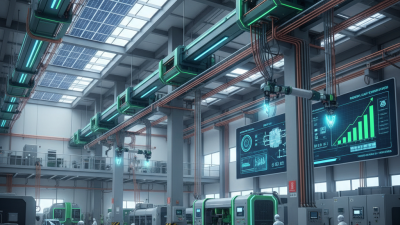
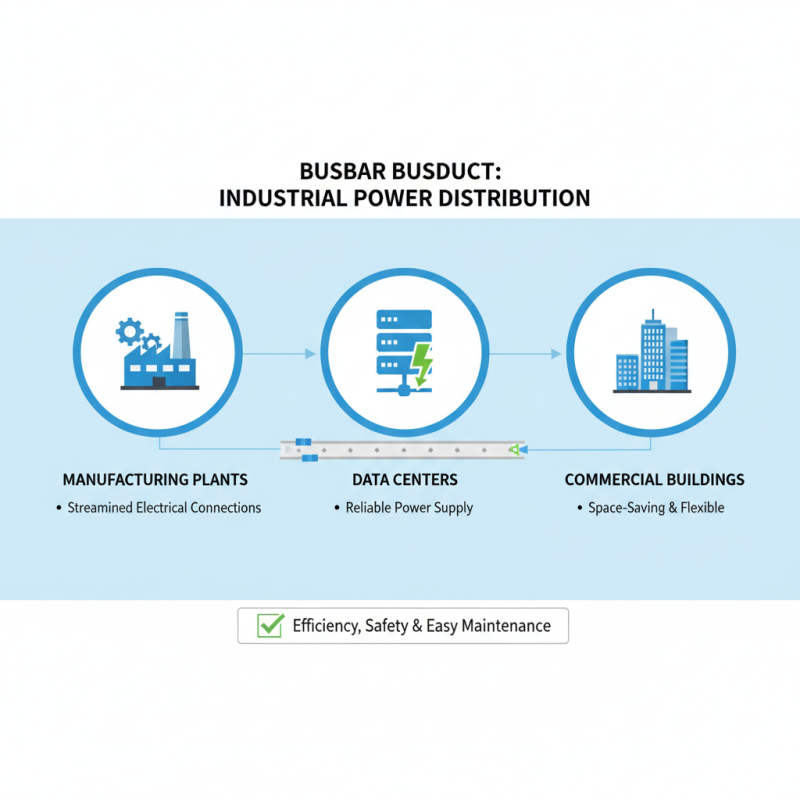
Busbar busduct systems are gaining traction in various industries due to their efficiency in power distribution. In manufacturing plants, these systems streamline electrical connections. They help reduce the clutter of wiring, optimizing space. This is crucial in environments where machinery needs accessible, reliable power. The compact design of busbars allows for easy installation and maintenance, minimizing downtime.
In commercial buildings, busbar busducts improve power efficiency. They provide a centralized power distribution point. This setup enhances reliability and safety. Facilities often face fluctuating power demands, and busducts can adapt to these changes efficiently. Another critical application is in renewable energy sectors. Solar farms utilize busbar systems to manage increased power loads generated from multiple panels. Their adaptability can accommodate expansion as energy needs grow.
Despite these advantages, some challenges exist. The initial investment can be high, deterring smaller operations. Additionally, installation requires skilled labor. Improper installation may lead to inefficiencies. It's essential to assess your specific needs. A one-size-fits-all approach doesn't always work. Different industries have unique power demands that require tailored solutions.
Key Considerations for Selecting Busbar Busduct Systems
When considering power distribution systems, busbar busduct stands out. Its compact design offers efficient space utilization. In industries where floorspace is costly, this efficiency can lead to significant cost savings. According to a recent industry report, implementing busduct systems can reduce installation time by 30% compared to traditional cable systems. This speed is crucial in minimizing disruption during installation.
Key factors must guide the selection of busbar busduct systems. First, power rating is essential. Ensure the busduct can handle peak loads, which might reach up to 6000A. Inadequate sizing may lead to overheating, risking system failure. Conducting a detailed load analysis aids in making informed decisions.
Safety considerations cannot be overlooked either. Many busduct systems feature built-in monitoring. This offers real-time insights into performance. However, it’s vital to understand the limitations of these systems. Regular maintenance checks are necessary to avoid potential issues. Some operators may overlook routine inspections, leading to unplanned outages. Balancing initial costs with long-term reliability brings challenges but is imperative for sustained efficiency.
Why Choose Busbar Busduct for Efficient Power Distribution?
| Consideration |
Details |
| Efficiency |
Busbar busduct systems have lower resistance compared to traditional wiring systems, reducing energy losses during distribution. |
| Space Optimization |
Busducts require less space than conventional cables, allowing for more efficient layout in facilities. |
| Flexibility |
They can be easily installed or reconfigured, supporting changes in load requirements without significant downtime. |
| Safety |
Enhanced protection against overload and short circuits, minimizing fire risks compared to traditional wiring methods. |
| Cost-Effectiveness |
Though initial costs may be higher, the long-term savings on installation, maintenance, and energy efficiency provide a better overall value. |
| Durability |
Designed for longevity with robust materials that can withstand heat and environmental conditions affecting electrical performance. |