Why Choose a Bus Duct Trunking System for Your Facility?
In today's industrial landscape, choosing the right electrical distribution system is crucial. A Bus Duct Trunking System offers distinct advantages that can enhance efficiency and safety. Experts like Dr. Emily Carter, a leading figure in electrical engineering, emphasize this choice: "Bus duct systems are an investment in reliability and performance."
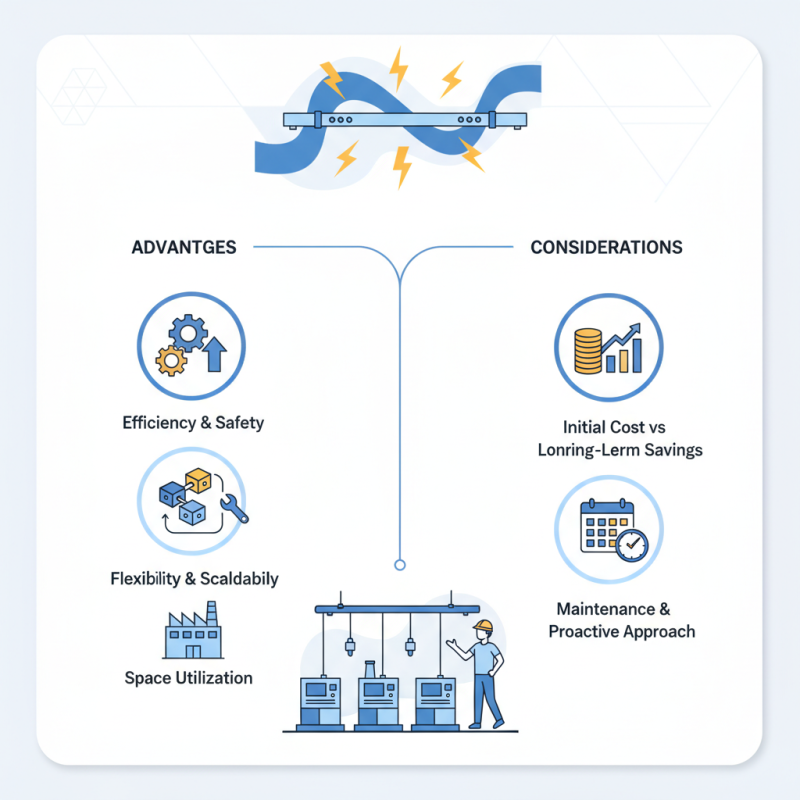
The flexibility and scalability of a Bus Duct Trunking System allow facilities to adapt to changing needs. It minimizes wiring congestion and enhances space utilization. However, companies may overlook the importance of regular maintenance, which can lead to operational issues over time. Investing in a Bus Duct Trunking System means committing to a proactive approach.
Despite these benefits, some facilities hesitate due to initial costs. It's essential to consider long-term savings and improved operational efficiency. A Bus Duct Trunking System can reduce labor costs and installation time compared to traditional methods. Organizations should weigh these factors carefully to make informed decisions.
Benefits of Using a Bus Duct Trunking System in Industrial Facilities
A bus duct trunking system offers numerous advantages for industrial facilities. One significant benefit is space efficiency. These systems enable streamlined electrical connections, minimizing the clutter typically associated with traditional wiring methods. The compact design allows for easier access to power distribution while keeping pathways clear.
Another important factor is safety. Bus ducts are generally more insulated than regular cables. This reduces the risk of electrical hazards. However, maintenance cannot be overlooked. Regular inspections are essential to ensure the system operates safely. Timely identification of potential issues can save time and costs in the long run.
Tip: Plan installation with future expansion in mind. This flexibility can accommodate growing power needs without extensive infrastructure changes.
Bus duct systems also enhance energy efficiency. They typically have lower electrical losses compared to traditional methods. However, they might be more costly upfront. It's crucial to analyze both short-term expenses and long-term benefits. Investing in quality systems can lead to significant savings over time.
Tip: Consider ongoing operational costs when evaluating options. Sometimes, the upfront cost isn't the only factor.
Comparison of Bus Duct Systems and Traditional Wiring Solutions
When deciding between a bus duct trunking system and traditional wiring solutions, efficiency is key. Bus duct systems offer compact, modular designs that save space. They allow for flexible configurations, adapting easily to changing needs. Traditional wiring, on the other hand, often involves bulky installations. Maintenance can become challenging due to complex wiring runs.
Cost is another important factor. Bus duct systems can have higher initial costs, but potentially lower installation costs. They might also reduce labor requirements over time. Traditional systems often require extensive labor and time for installation, leading to higher long-term expenses. They involve painstaking wiring, which can introduce more errors in setup.
Safety is a critical consideration as well. Bus duct systems are typically designed with enhanced safety features. This can minimize risks of overheating and electrical failures. However, many facilities still rely on older wiring methods, which may lack these modern safety standards. The decision can feel overwhelming, particularly with varying facility needs and constraints. Balancing all factors is essential.
Why Choose a Bus Duct Trunking System for Your Facility?
| Criteria |
Bus Duct Systems |
Traditional Wiring Solutions |
| Installation Time |
Faster installation due to modular design |
Longer installation time; labor-intensive |
| Maintenance |
Lower maintenance with easy access |
Higher maintenance; difficult access |
| Safety |
Enhanced safety with reduced electrical hazards |
Higher risk of electrical hazards |
| Capacity |
Higher capacity for current and expansion |
Limited capacity; hard to upgrade |
| Cost |
Higher initial cost, lower long-term costs |
Lower initial cost, higher long-term costs |
| Flexibility |
Highly flexible for future changes |
Limited flexibility; difficult adaptions |
Implementation Considerations for Bus Duct Systems in New Projects
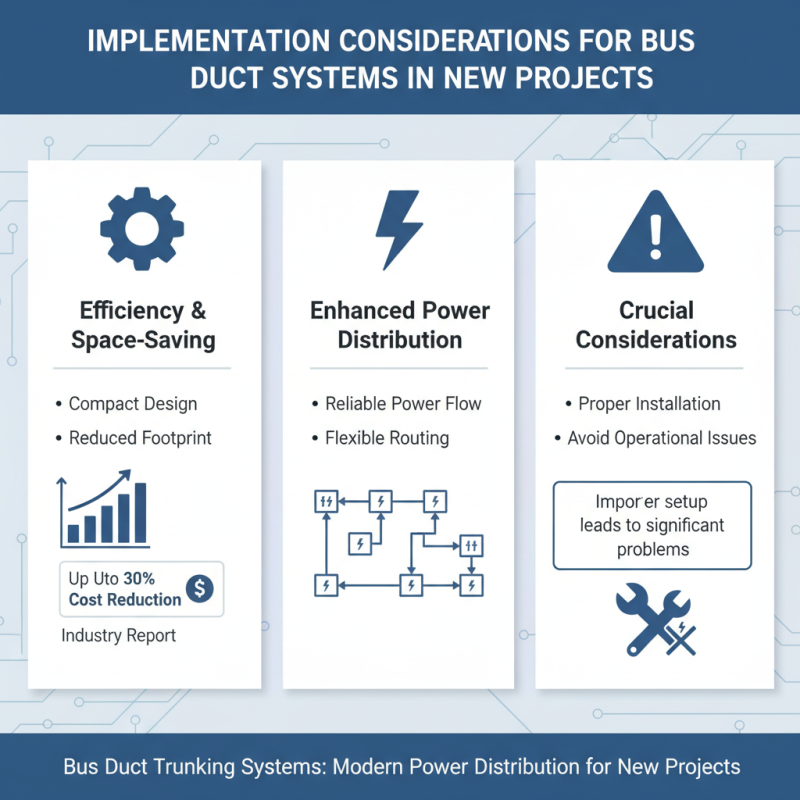
When implementing a bus duct trunking system, several considerations are crucial for new projects. These systems are often chosen for their efficiency and space-saving benefits. According to a recent industry report, bus duct systems can reduce installation costs by up to 30% compared to traditional wiring methods. They also provide better power distribution. However, improper installation can lead to significant operational issues.
One major element to think about is the system's capacity. Overloading can cause overheating and reduce lifespan. An appropriate current rating is essential to avoid such problems. Another key point is maintenance access. Systems that are hard to reach can lead to prolonged downtimes during repairs. In a survey of facility managers, 45% highlighted maintenance accessibility as a top concern.
Moreover, environmental factors can influence performance. Humidity and temperature fluctuations may affect the durability of components. Constructing in a region with extreme weather requires extra caution. Monitoring the installation process is vital. If issues arise, it can be challenging to rectify them later. Balancing initial costs with long-term reliability should be a priority in planning stages.
Maintenance and Safety Practices for Bus Duct Trunking Systems
Bus duct trunking systems play a vital role in powering large facilities. Maintenance and safety must be prioritized to ensure reliability. Regular inspections can prevent major failures. A study by the National Fire Protection Association indicates that electrical failures are responsible for approximately 20% of industrial fires. Proper care of bus duct systems reduces these risks significantly.
Tips: Schedule routine maintenance checks every six months. Look for signs of wear or overheating. Early detection can save both time and costs.
Safety is paramount when working with high-voltage systems. Keep the area around bus ducts clear. Always use proper personal protective equipment (PPE). Data from the Occupational Safety and Health Administration shows that proper gear reduces injury rates by nearly 40%.
It is crucial to remain vigilant. Ignoring small issues can escalate into larger problems. Even a loose connection can lead to failures. Encourage a culture of safety awareness among staff too. Regular training can help prevent accidents and ensure compliance with safety protocols.
Comparison of Bus Duct Trunking System Efficiency