Why Choose a Bus Duct Trunking System for Your Electrical Needs?
In the world of electrical distribution, efficiency and safety are crucial. The Bus Duct Trunking System offers a solution that meets these demands. Its design allows seamless power transfer without the clutter of traditional wiring methods. This system simplifies installation, reducing time and labor costs significantly.
When considering electrical needs, the choice of a Bus Duct Trunking System can enhance operational reliability. Unlike conventional systems, bus ducts can handle larger current loads. They also minimize the risk of overheating. However, it’s essential to understand the specific requirements of your facility. A poorly configured system can lead to inefficiencies.
Despite the many benefits, installing a Bus Duct Trunking System is not without challenges. Proper sizing and installation are critical. Oversizing can increase costs unnecessarily. Additionally, maintenance may require specialized knowledge. Organizations must weigh these factors carefully. Ultimately, the right system can lead to a safer, more efficient electrical framework.
Understanding Bus Duct Trunking Systems and Their Applications
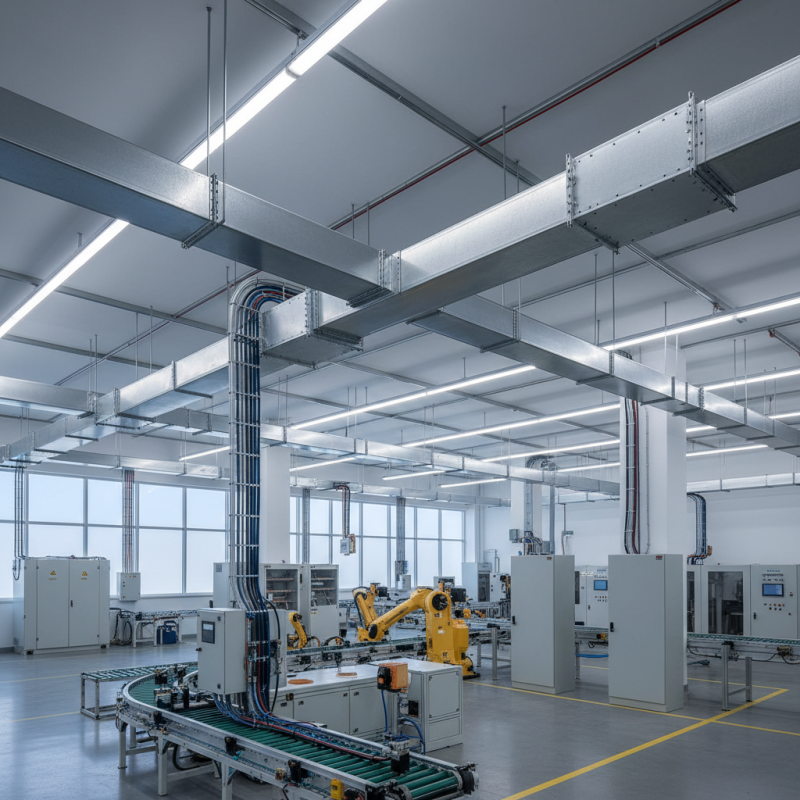
Bus duct trunking systems serve as vital components in modern electrical infrastructure. They efficiently distribute power in commercial and industrial settings. These systems are made from conductive materials, allowing for high current capacity. According to industry reports, bus duct systems can reduce installation time by up to 50%. This is crucial for projects with tight deadlines.
Tips: Regular maintenance inspections can significantly prolong the lifespan of your bus duct trunking system. This ensures optimal performance and prevents potential issues.
Applications of bus duct trunking systems are broad. They are commonly used in data centers, manufacturing plants, and large commercial buildings. Their modular design allows for flexibility in layout changes. However, issues can arise if the system size does not match the current load requirements. Adhering to industry standards is vital for safety and efficiency.
Tips: Always consider future expansion when selecting a trunking system. Oversizing may prevent short-circuit damages and allow for additional circuits later on. Think ahead to avoid costly replacements.
Key Advantages of Using Bus Duct Trunking for Electrical Distribution
Bus duct trunking systems are an excellent choice for modern electrical distribution. They provide a compact and efficient way to deliver power in large buildings. One major advantage is their flexibility. Installers can easily adjust the layout to suit changing needs. This adaptability helps save time and costs in modifications.
Another key benefit is safety. Bus duct systems often come with insulating materials that protect against electrical faults. This minimizes the risk of fire and enhances overall safety for equipment and personnel. Regular maintenance is still important. Neglect can lead to issues, but proper care can ensure long-lasting performance.
Moreover, these systems are generally more efficient than traditional wiring. They reduce energy losses during transmission. However, installation can be complex. Professionals with expertise in this area are crucial. The upfront cost may be higher, but the long-term benefits often outweigh these initial expenses. Careful planning and consideration are necessary for optimal results.
Key Advantages of Using Bus Duct Trunking for Electrical Distribution
Cost-Effectiveness: Comparing Bus Ducts to Traditional Wiring Methods
When it comes to electrical installations, bus duct trunking systems offer a cost-effective solution compared to traditional wiring methods. These systems not only reduce installation times but also minimize labor costs. Traditional wiring often involves extensive labor, complicated layouts, and lengthy installation periods. In contrast, bus ducts can be installed quickly and often require fewer materials.
One key aspect is the reduced maintenance costs. Bus duct systems usually need less frequent maintenance than standard wiring. This represents a long-term saving that many businesses overlook. Traditional wiring may suffer from wear and tear, leading to costly repairs. Bus ducts are designed for durability, providing peace of mind for building managers.
Tips:
- Consider the layout of your electrical systems before installation. A well-planned design can optimize space and minimize costs.
- Evaluate how future expansions might impact your current setup. Bus ducts allow for easier modifications compared to rigid wiring systems.
- Also, think carefully about ventilation and heat management. Overlooked, these factors could lead to performance issues.
Embracing bus duct trunking may require a shift in thinking. Companies accustomed to traditional wiring might resist change. This hesitation can slow progress. It’s essential to weigh the immediate costs against long-term benefits. A thorough cost-benefit analysis can help clarify potential savings and the overall efficiency of your electrical system.
Installation and Maintenance Considerations for Bus Duct Systems
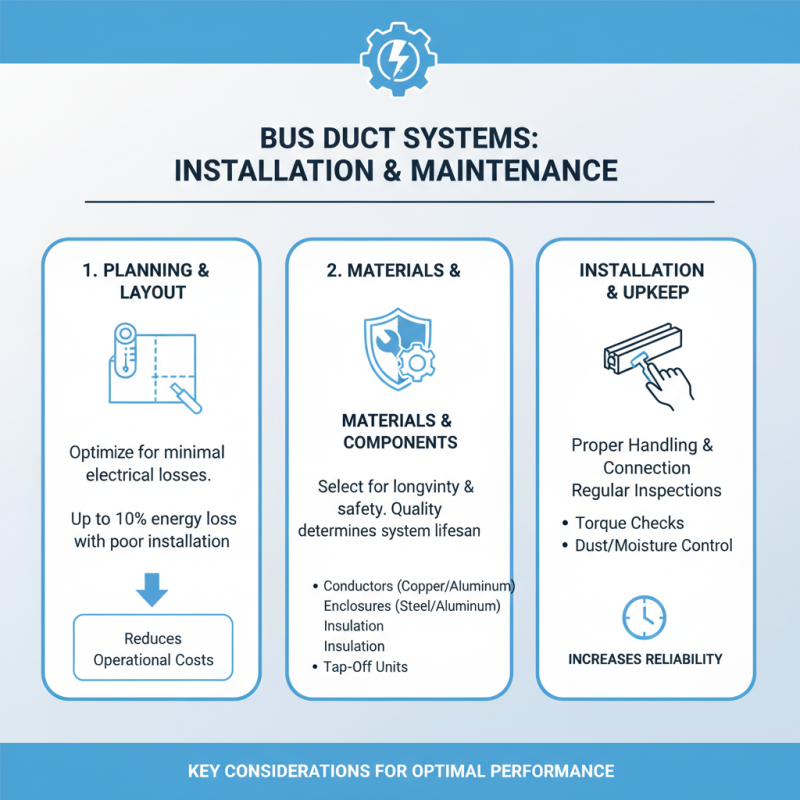
When considering the installation of a bus duct system, several aspects are critical for optimal performance. Properly planning the layout can minimize electrical losses. Research indicates that poorly installed systems can lead to energy losses up to 10%. This can significantly impact operational costs. Attention must be given to the selection of materials and components, as they determine the longevity and safety of the installation.
Regular maintenance is vital for bus duct systems. A recent report revealed that 30% of electrical failures stem from inadequate maintenance practices. This emphasizes the necessity for routine inspections. During maintenance, it’s essential to check for signs of wear, dust buildup, and loose connections. The lifespan of a bus duct system heavily relies on these proactive measures. Simple tasks like tightening bolts and cleaning can prevent costly breakdowns.
Moreover, the environment in which the bus duct operates plays a crucial role. For instance, systems in high-temperature areas may require additional cooling solutions. Overheating can shorten the lifespan of the system. It’s also worth noting that budget constraints sometimes lead to subpar installation practices. Investing more upfront in quality installation and maintenance plans ultimately saves costs long-term. Regular training for maintenance teams can also enhance system performance and safety.
Safety Standards and Compliance in Bus Duct Trunking Solutions
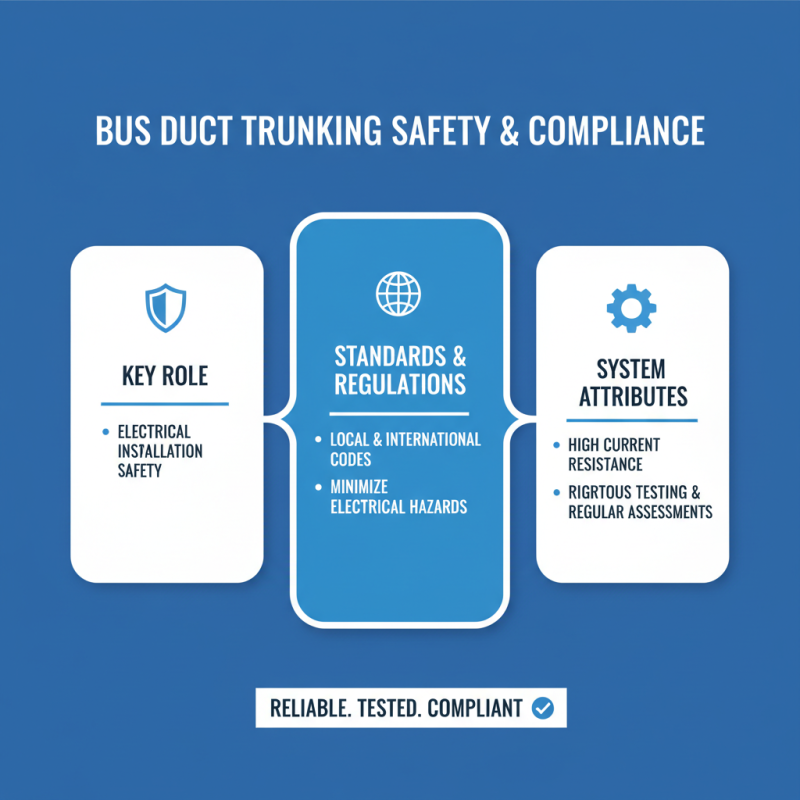
When selecting a bus duct trunking system, safety standards play a crucial role. Compliance with local and international regulations ensures that electrical installations are safe. A well-designed trunking system minimizes the risk of electrical hazards. These systems are built to withstand high currents and are often tested rigorously. Regular assessments help maintain their safety over time.
However, achieving compliance can be challenging. Some systems may require upgrades to meet current standards. Older installations might not adhere to new safety protocols. It's essential to keep track of these changes and ensure that the trunking system remains up-to-date. Neglecting these standards could lead to serious safety risks.
Additionally, effective installation practices are vital. Poor installation may compromise the entire system, leading to potential failures. Training for installers should focus on quality and adherence to safety guidelines. Mistakes could result in costly repairs later on. Thus, choosing the right trunking solution entails understanding safety standards thoroughly. Each decision you make now impacts long-term safety and efficiency.