How to Choose the Best Cast Resin Bus Duct for Your Needs?
Choosing the best Cast Resin Bus Duct for your needs can be challenging. Experts in the industry emphasize the importance of understanding specific requirements. Mike Johnson, a renowned electrical engineering consultant, once noted, "The right choice in bus duct can significantly enhance system performance and safety."
When selecting a Cast Resin Bus Duct, consider the environment where it will be installed. Factors such as temperature, humidity, and potential exposure to chemicals can influence the duct's performance. Different manufacturers may offer various features, so it’s essential to review these options closely.
Additionally, think about the long-term implications of your decision. The right Cast Resin Bus Duct can save costs over time through durability and reduced maintenance. However, an illconsidered choice may lead to unexpected failures and increased expenses. Assess not only the initial cost but also the value it brings over its lifespan.
Understanding Cast Resin Bus Duct: Definition and Applications
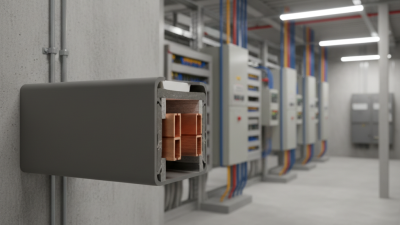
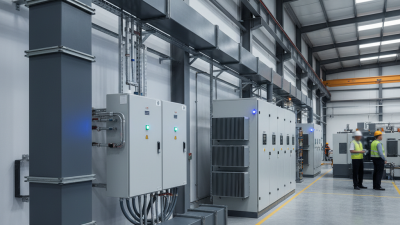
Cast resin bus ducts are vital components in electrical distribution systems. They offer robust protection against environmental factors, ensuring consistent performance. Defined as insulated channels for electrical conductors, they prevent short circuits and other failures. Industries like manufacturing and data centers heavily rely on these systems.
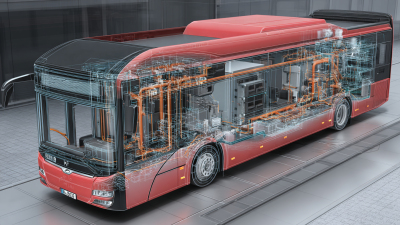
According to a market research report, the global market for cast resin bus ducts is projected to grow by 4.5% annually. This growth reflects the increasing demand for effective power distribution methods. Applications span various sectors, including commercial buildings and transportation. Proper installation and maintenance ensure longevity and efficiency. However, improper handling can lead to severe issues, such as overheating.
It's important to consider location when selecting a bus duct system. Different environments may affect material choice and installation requirements. Professionals recommend evaluating environmental conditions, load demands, and installation timelines. A well-designed system can reduce energy costs and enhance safety. However, overlooking details during the selection process can lead to significant consequences. The key is balancing reliability with application needs.
How to Choose the Best Cast Resin Bus Duct for Your Needs?
| Feature |
Description |
Applications |
Advantages |
Considerations |
| Material Type |
Cast resin is a thermosetting material used in bus duct manufacturing. |
Industrial power distribution systems |
High dielectric strength, moisture resistance |
Higher initial cost compared to metal alternatives |
| Electrical Rating |
Various ratings available based on current and voltage needs. |
Commercial buildings and data centers |
Compact design, ease of installation |
Limited size range for specific applications |
| Temperature Rating |
High temperature resistance up to 130°C. |
Heavy machinery applications |
Durable under extreme conditions |
May not perform well at temperatures higher than rated |
| Installation Type |
Can be installed in vertical or horizontal configurations. |
Substations and power generation facilities |
Flexible installation options |
Need for specialized skills in installation |
| Maintenance Requirements |
Low maintenance due to durable material properties. |
Manufacturing plants and warehouses |
Reduced downtime for repairs |
Visual inspections still required for safety |
Key Factors to Consider When Choosing Cast Resin Bus Duct
Choosing the right cast resin bus duct requires careful thought. One essential factor to consider is the load capacity. Ensure the duct can handle the expected electrical load without overheating. Insufficient capacity can lead to equipment failure.
Next, consider installation requirements. Some bus ducts are easier to install than others. A complicated installation can increase labor costs and time delays. Take time to assess the installation space. Measure dimensions accurately to avoid fitting issues later on.
Don't overlook environmental conditions. Factors like humidity and temperature affect bus duct performance. Ensure that the chosen duct material can withstand these conditions. Think about the long-term implications of your choice. Sometimes, an initially cheaper option may lead to higher maintenance costs later.
Reflect on your specific needs. Each situation is different. Review your options critically before making a final decision.
Factors to Consider When Choosing Cast Resin Bus Duct
Evaluating Electrical and Mechanical Performance Requirements
When selecting a cast resin bus duct, focus on electrical and mechanical performance. Understanding the load requirements is essential. Evaluate the specific voltage and current levels the duct must handle. Adequate capacity prevents overheating or failures. Insufficient ratings can lead to significant problems. Careful consideration of these aspects contributes to a reliable installation.
Mechanical performance is equally important. Bus ducts should withstand physical stress while providing effective insulation. Assess the environmental conditions where the duct will be installed. Factors such as temperature variations and humidity levels matter. They can impact material longevity and performance. Regular maintenance checks will help ensure durability. It is vital to reflect on the installation location and potential hazards.
In practice, remember that not all designs suit all needs. Examination of technical specifications is crucial. Sometimes, choosing a less popular option can yield better results. Engaging with experienced professionals can clarify uncertainties. Expert insights can guide you towards informed decisions. Their knowledge may reveal options you hadn't considered.
Assessing Environmental Conditions and Durability Needs
When selecting a cast resin bus duct, assessing environmental conditions is crucial. The duct must endure factors like temperature variations, humidity, and possible exposure to chemicals. High humidity can lead to moisture ingress, which may impact performance. Evaluate the location of installation to determine exposure to extreme weather or pollutants.
Durability is another essential factor. Different resin materials possess varied resistance levels to abrasions, impacts, and chemical reactions. Consider the operational context. Is the bus duct installed indoors or outdoors? Indoor applications often face fewer challenges, while outdoor settings require robust materials. Pay attention to the potential for physical contact with other equipment.
Reflect on maintenance procedures, too. Some bus ducts demand regular inspections and cleanings, whereas others are more self-sufficient. Maintenance can affect the longevity of the installation. It’s essential to choose a product that aligns with your maintenance capacity. Striking a balance between durability and upkeep can influence overall operational efficiency.
Cost Analysis and Budget Considerations for Bus Duct Selection
When selecting a cast resin bus duct, budget considerations are crucial. The initial cost can vary significantly. Some options may seem affordable at first, but long-term expenses should never be overlooked. Installation costs, maintenance needs, and operational efficiency all contribute to the overall budget.
It is important to analyze the investment. Cheaper products may lead to higher energy losses over time. This could increase your utility bills noticeably. On the other hand, durable products often result in fewer repairs. Always seek detailed information on the total cost of ownership. This includes installation, insurance, and replacement parts.
Understand your specific needs. Does your facility require higher capacity or flexibility in layout? If so, it may warrant spending a bit more. Choosing the right duct involves careful evaluation. Gathering quotes and comparing them is beneficial. Even slight changes in specifications can affect your budget. Ultimately, the best choice aligns with both your financial goals and operational demands.