Why Choose Barduct Busbar Systems for Your Electrical Needs and Efficiency
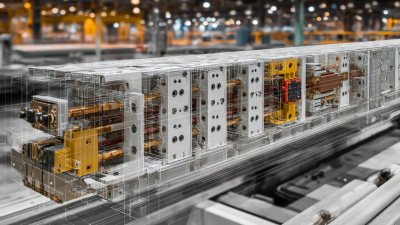
In today's rapidly evolving electrical landscape, the need for efficient and reliable power distribution systems is paramount. Among the various solutions available, Barduct Busbar Systems stand out as a top choice for both industrial and commercial applications. These systems offer a perfect blend of versatility and performance, ensuring that electrical needs are met with precision and efficiency.
Barduct Busbar Systems are designed to facilitate seamless power distribution, minimizing energy loss while maximizing safety. Their robust construction, combined with a high level of customization, allows them to adapt to diverse operational requirements. As businesses increasingly seek to optimize their energy consumption and improve overall efficiency, choosing Barduct Busbar Systems becomes a strategic decision that can lead to significant long-term benefits.
Furthermore, the innovative design elements of these busbars contribute to easier installation and maintenance, thus reducing downtime and operational costs. As we delve deeper into the advantages and applications of Barduct Busbar Systems, it becomes clear why they are regarded as a leading choice for modern electrical infrastructure.
Understanding Barduct Busbar Systems and Their Applications
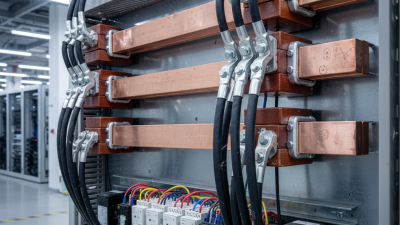
Barduct busbar systems have gained attention in the electrical industry due to their ability to enhance efficiency and reduce energy losses. These systems are designed to conduct electricity via a compact, rigid structure, allowing for a significant reduction in installation space compared to traditional wiring methods. According to a report from the International Energy Agency, the integration of advanced busbar systems can lead to energy savings of up to 25% in commercial buildings, highlighting their pivotal role in modern electrical infrastructure.
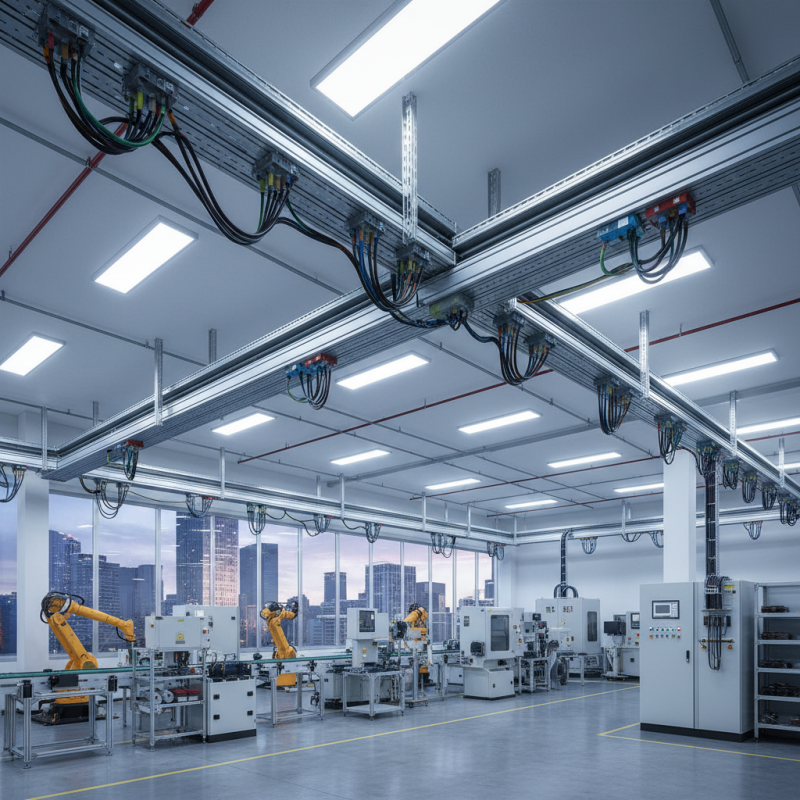
In practical applications, Barduct busbar systems are particularly valuable in environments where flexibility and scalability are crucial, such as in industrial plants and large commercial facilities. They facilitate easier modifications and expansions without extensive rewiring, which is often both time-consuming and costly. Data from the National Electrical Manufacturers Association indicates that projects utilizing busbar systems can achieve installation time reductions of approximately 40%, streamlining the overall project timeline while ensuring safety and reliability. This efficiency not only improves operational productivity but also contributes to a more sustainable energy management approach.
Furthermore, these systems are adept at handling high current loads and can be customized to accommodate specific project requirements. Their ability to mitigate overheating through effective heat dissipation is critical in high-demand scenarios, making them an optimal choice for data centers and manufacturing facilities where electrical efficiency is paramount. Studies have shown that implementing busbar technology can decrease the risk of electrical failures by 30%, thus enhancing the longevity and reliability of electrical systems.
Key Advantages of Using Barduct Busbar Systems for Efficiency
When selecting electrical systems for efficiency, the advantages of using optimized busbar systems are undeniable. Firstly, busbar systems provide superior conductivity compared to traditional wiring methods. Their streamlined design minimizes resistance, ensuring that electrical energy is transmitted with maximum efficiency. This capability not only enhances overall performance but also reduces energy losses that are often a concern with conventional cabling systems.
Moreover, busbars are designed for easy customization, which allows for a more compact and organized electrical layout. This adaptability supports various configurations, making it possible to meet specific power distribution needs while maintaining a tidy installation. Their robustness translates to lower maintenance costs over time, as busbars are less susceptible to wear and tear compared to other systems. Consequently, this reliability secures longer operational lifespans for electrical installations, ultimately contributing to overall efficiency in both residential and commercial applications.
Comparative Analysis: Barduct Busbar Systems vs. Traditional Wiring
When examining the efficacy of busbar systems compared to traditional wiring, the differences in design and functionality become apparent. Busbar systems offer a streamlined approach to electrical distribution, utilizing a compact and modular framework that minimizes installation time and maximizes space efficiency. Unlike traditional wiring, where cables can be bulky and require extensive pathways, busbars connect electrical components directly, reducing the complexity of installations and enhancing the overall aesthetics of the environment.
Moreover, the reliability and safety of busbar systems stand out in comparative analyses. While traditional wiring can be prone to wear and tear over time, leading to potential faults, busbars are constructed to withstand varying levels of thermal and electrical stress. This durability significantly lowers maintenance costs and the risk of electrical failures. Additionally, with the environmental considerations of energy efficiency in mind, busbars help to optimize energy distribution, thereby reducing losses compared to conventional wiring methods. As such, for modern electrical applications, the advantages of busbar systems present a compelling case for their adoption over traditional wiring solutions.
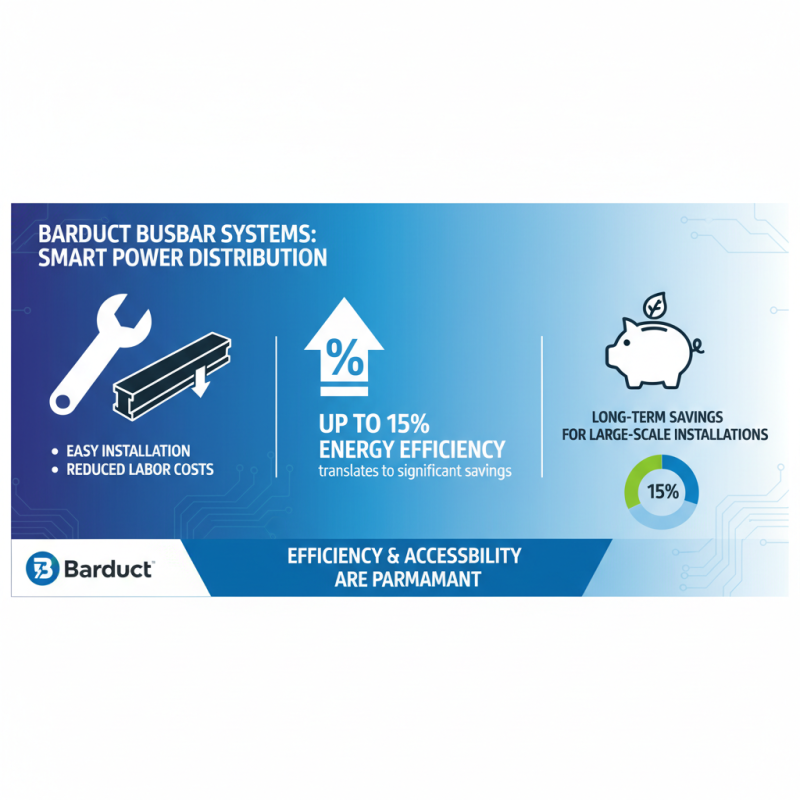
Efficiency Comparison: Barduct Busbar Systems vs. Traditional Wiring
Real-world Case Studies Demonstrating Barduct Busbar Benefits
Barduct Busbar Systems have gained recognition in modern electrical infrastructures, particularly due to their efficiency and versatility.
One notable real-world case study involved a large industrial facility that transitioned from traditional wiring methods to a busbar system.
This change led to a remarkable 30% reduction in energy losses during operation, primarily attributed to the reduced resistance and improved conductivity of busbars when compared to conventional copper wiring.
Industry reports suggest that implementing busbar technology can enhance power distribution efficiency by up to 25%, making it an attractive option for companies focused on reducing operational costs.
In another case, a commercial building retrofit highlighted the adaptability of busbar systems within constrained spaces.
The integration of Barduct busbars allowed for quicker installation and significant space savings compared to the installation of traditional conduit systems.
According to a study by the Electrical Engineering Association, projects that utilize busbar systems can reduce installation times by up to 40%, thus accelerating project timelines and enabling faster returns on investment.
The flexibility offered by busbars also facilitates future expansions without requiring substantial redesigns of the electrical distribution system, ensuring long-term ease of use and maintenance.