What is Cast Resin Bus Duct and How Does It Work?
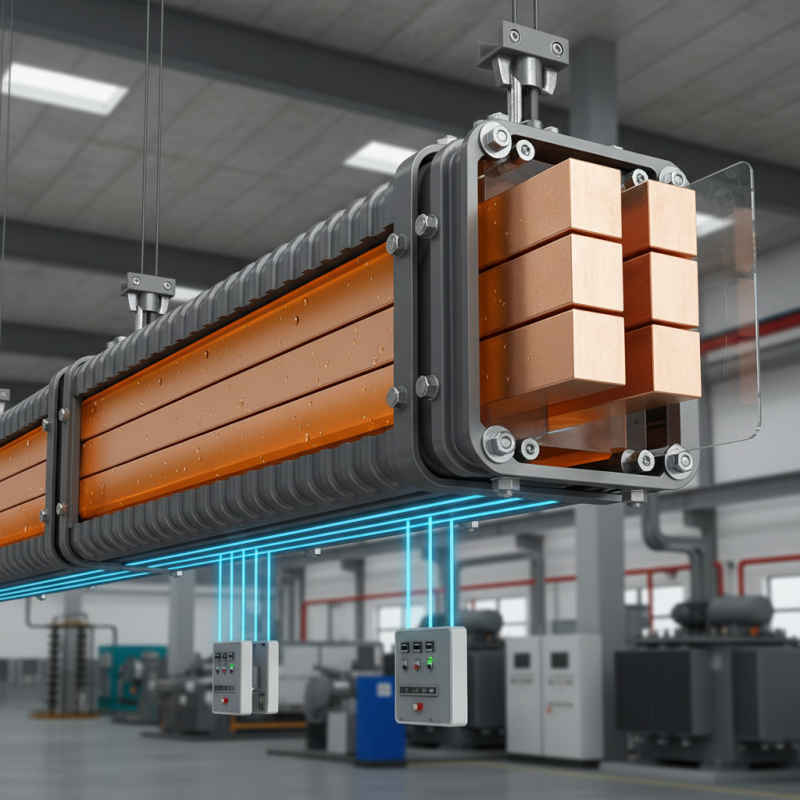
Cast Resin Bus Duct is an innovative solution for electrical distribution systems. This technology improves efficiency and safety while significantly reducing maintenance needs. Unlike traditional bus ducts, the cast resin variant offers better insulation and protection against environmental factors.
The unique construction of Cast Resin Bus Duct involves pouring resin into molds, creating robust units. This design can withstand harsh conditions, making it ideal for industrial applications. The process results in lower energy losses and higher reliability, which are crucial for critical infrastructures.
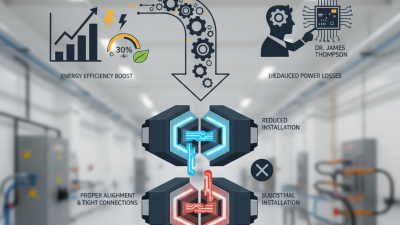
However, adoption may face challenges. Initial costs can be high, and some may question long-term benefits. Moreover, proper installation is essential to maximize performance. Understanding these factors is key to making informed decisions about using Cast Resin Bus Duct systems.
What is Cast Resin Bus Duct?
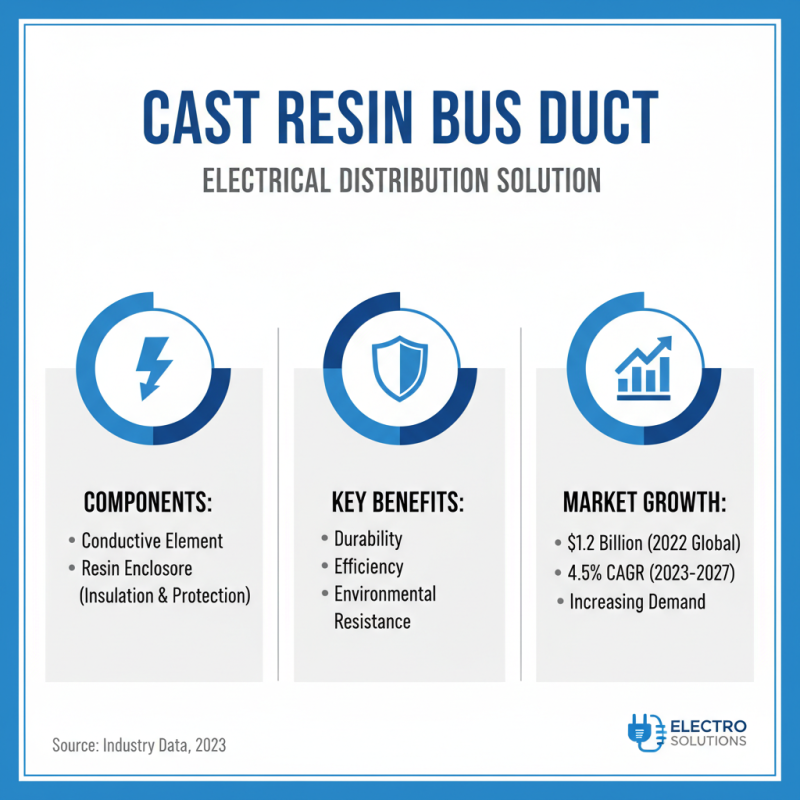
Cast resin bus duct is a popular solution in electrical distribution systems. It consists of a conductive element enclosed in a resin material. This resin provides insulation and protection against environmental factors. The demand for cast resin bus duct has risen due to its claimed durability and efficiency. According to industry data, the global market for bus ducts was valued at approximately $1.2 billion in 2022 and is expected to grow at a CAGR of 4.5% over the next five years.
The operational principle is straightforward. Electrical currents flow through the conductive bars, while the resin protects them from moisture and dust. This results in reduced maintenance needs. For instance, cast resin bus ducts are often preferred in industrial settings. However, they can have limitations, such as higher initial installation costs compared to traditional systems. Some professionals raise concerns about long-term thermal performance.
In applications where safety is critical, cast resin bus ducts offer significant advantages. They are flame-retardant and resistant to various chemicals. Reports indicate that they lower the risk of electrical failures. Yet, installation requires skilled labor, and improper handling can lead to inefficiencies. Balancing costs and benefits is essential for users considering this technology.
Key Components of Cast Resin Bus Duct
Cast resin bus duct systems play a pivotal role in modern electrical distribution. They consist of several key components that ensure safety, efficiency, and performance. At the core, the bus bars conduct electricity. These are typically made from high-quality copper or aluminum alloys, designed to minimize electrical resistance. According to the International Electrotechnical Commission (IEC), proper bus bar sizing is critical. Oversized bars may lead to increased costs; undersized ones can create overheating issues.
Another crucial element is the resin insulation. This material encases the bus bars, providing a robust barrier against environmental factors. Reports from the #Electrical Apparatus Service Association# indicate that cast resin insulations can withstand extreme temperatures and moisture. This ensures the integrity of the electrical system in challenging conditions. Moreover, the insulation is often resistant to chemicals, which is beneficial in industrial settings.
Supporting structures such as brackets and frames are also integral. They maintain the bus duct’s alignment and stability. Reports from the National Electrical Manufacturers Association suggest that installation errors are common yet often overlooked. Proper alignment can prevent system malfunction and extend the lifespan of the duct. Investing attention to these components is vital; neglecting them could lead to significant operational risks.
Mechanism of Operation for Cast Resin Bus Duct
Cast resin bus ducts are integral components in modern electrical systems. They provide a secure and efficient way to transport electricity across various structures. The mechanism of operation relies on the properties of cast resin materials, which insulate and protect the conductive busbars.
These bus ducts typically consist of copper or aluminum conductors encased in a resin material. This design helps prevent electrical faults and minimizes the risk of short circuits. The resin's insulating properties allow the bus duct to operate at high temperatures without degradation. Regular maintenance can extend the lifespan of these systems.
Tip: Monitor temperature variations frequently. Excessive heat can indicate underlying issues.
In situations of high electrical demand, cast resin bus ducts can expand and contract. Proper installation is crucial to accommodate these changes. If not managed correctly, mechanical stress can lead to failures. Always consider potential expansion rates when designing installations.
Tip: Locate ducts away from direct sunlight. This can help reduce thermal stress.
What is Cast Resin Bus Duct and How Does It Work? - Mechanism of Operation for Cast Resin Bus Duct
| Characteristic |
Description |
| Material |
Cast resin, typically polyester or epoxy |
| Insulation |
Excellent electrical and mechanical insulation properties |
| Temperature Rating |
Can withstand temperatures up to 120°C (248°F) |
| Protection |
Provides a high level of protection against dust, moisture, and corrosion |
| Installation |
Modular design allows for easy installation and maintenance |
| Application |
Used in industrial distribution systems for electrical power |
| Key Benefits |
Durability, safety, and low maintenance requirements |
| Working Principle |
Conducts electrical current through conductors encapsulated in resin, minimizing energy losses |
Advantages of Using Cast Resin Bus Duct
Cast resin bus duct is an innovative solution for electrical distribution systems. It encapsulates conductors within a durable resin, offering excellent insulation and protection. This design allows for more efficient energy transfer while minimizing the risk of electrical faults.
One major advantage is its ability to withstand harsh environmental conditions. Unlike traditional bus ducts, cast resin models are resistant to moisture, dust, and mechanical damage. This makes them ideal for both indoor and outdoor installations.
Moreover, cast resin bus duct is compact. Its smaller size saves valuable space, making it easier to fit into confined areas. Installation time is also reduced, which can lead to lower labor costs.
Tip: Regular maintenance checks can ensure longevity. Look for signs of wear or cracks in the resin.
Another point to consider is the cost-effectiveness over time. Although the initial investment may be higher, the durability translates into lower replacement and repair costs.
Tip: Always compare different designs and configurations. Not all cast resin bus ducts are created equal.
It’s essential to evaluate the specific needs of your project. Understanding the unique requirements can optimize performance and safety.
Applications of Cast Resin Bus Duct in Electrical Systems
Cast resin bus duct is a vital component in electrical systems. Its applications span various industries, enhancing energy efficiency and safety. These ducts offer a reliable way to distribute electrical power effectively. They are well-suited for environments where moisture and dust are concerns.
A common application is in commercial buildings. Here, cast resin bus ducts connect transformers and switchgear. They minimize energy loss and maintain a stable power supply. They also serve in industrial facilities, transporting electricity to machinery. Their robust design withstands challenging conditions.
Tips: When considering installation, ensure the ducts are accessible for maintenance. Check ventilation needs regularly. Look out for wear and tear signs.
In the renewable energy sector, cast resin bus ducts play a crucial role. Solar farms and wind energy plants rely on them to manage power distribution effectively. They help optimize energy collection and usage. However, proper installation is critical. Poorly installed ducts can lead to inefficiencies. It’s essential to assess the installation area before proceeding.