Busduct Plug In Tips for Efficient Electrical Connections?
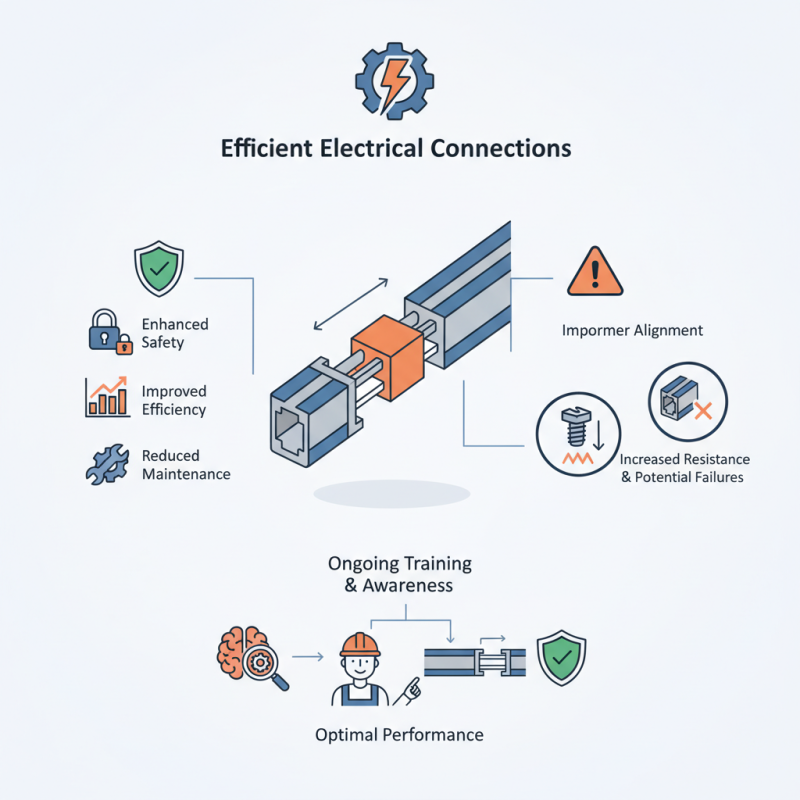
In today's fast-paced industrial landscape, efficient electrical connections are crucial for operational success. Busduct Plug In systems provide an innovative solution for powering various facilities. According to a report by the International Electrotechnical Commission, over 30% of electrical failures can be traced to poor connection practices. Proper use of Busduct Plug In can significantly mitigate this risk.
Expert in the field, Dr. Alan Henderson, emphasizes the importance of attention to detail. He states, "The right connection setup can enhance performance and safety." Following best practices for installation can lead to improved efficiency and reduced maintenance costs.
However, achieving optimal performance with Busduct Plug In systems is not without challenges. Many installations showcase common pitfalls, such as improper alignment and insufficient torque settings. These issues can lead to increased resistance and potential failures. Therefore, ongoing training and awareness are essential for engineers and technicians in this evolving industry.
Understanding Busduct Systems and Their Importance in Electrical Design
Busduct systems play a crucial role in modern electrical designs. They provide a robust solution for distributing electrical power efficiently. According to the Electrical Power Research Institute (EPRI), busducts can improve electrical efficiency by up to 30%. This is significant, especially in large commercial buildings that require substantial power distribution.
When designing these systems, understanding their components is vital. Busducts consist of conductors housed in a protective enclosure. This setup minimizes energy loss and enhances safety. However, improper installation can lead to issues. The National Electrical Manufacturers Association (NEMA) reports that faulty connections account for 35% of busduct failures. Ensuring correct installation is essential for optimal performance.
Moreover, choosing the right plug-in connections can be challenging. The types of plugs must match the busduct's rating and application requirements. Despite the high reliability of busduct systems, there are still areas to improve. Consistent maintenance and regular inspections are necessary. These steps can prevent unexpected failures and extend the life of the system. Each project presents unique challenges in design and implementation. Addressing these aspects is crucial for effective electrical connections.
Key Advantages of Using Busducts for Electrical Connections
Busduct systems are becoming increasingly important in modern electrical installations. They offer a compact solution to power distribution. According to recent industry reports, using busducts can improve energy efficiency by up to 10%. This can result in significant savings over the system's lifecycle.
One key advantage is the reduced installation time. Busducts are generally easier to manage and connect compared to traditional wiring systems. Furthermore, the modular design allows for flexibility in layout and future expansions. However, some installations still face challenges with thermal expansion. Proper design must account for this to avoid connection issues.
Another notable benefit is the enhanced safety features. Busducts often come with insulating layers that provide protection against electrical shocks. Statistics show that facilities using busducts report fewer electrical accidents. Still, this doesn't eliminate the need for regular maintenance. Neglecting this can lead to decreased performance and increased downtime. Regular inspections can help mitigate these risks.
Best Practices for Installing Busduct Plug-Ins Efficiently
When it comes to installing busduct plug-ins efficiently, preparation is key. Start by assessing the layout and available space. It's essential to ensure that connections have enough clearance for assembly and maintenance. Check your tools and materials before starting. A misplaced tool can lead to delays and mistakes.
Proper alignment is crucial when connecting busducts. Misalignment can lead to overheating or even system failures. Use fixtures or guides to aid in positioning. Double-check each connection to maintain a secure fit. This is not just about speed; it’s about reliability too.
Consider the environmental factors affecting installation. Working in a cramped or cluttered space can be challenging. Each time you encounter a difficulty with the setup, take a moment to reevaluate. Reflect on what went wrong and how to improve next time. Remember, even small errors can have significant impacts. Efficiency is not only about speed but also about precision and accuracy.
Troubleshooting Common Issues with Busduct Connections
When dealing with busduct connections, common issues can arise that affect performance. Poor connectivity is often linked to loose or corroded connections. Regularly inspect each connection point for signs of wear. Ensure that all bolts are properly tightened to the manufacturer’s specifications. Even small gaps can lead to significant energy loss.
Tip: Regular maintenance is crucial. Schedule routine inspections to catch potential problems early. Also, check for any discoloration in the busduct joints. This can indicate overheating or electrical arcing. If you notice any unusual smells or heat, address them immediately.
Another issue to consider is alignment. Misaligned busducts can cause mechanical stress. Ensure proper alignment before finalizing installations. This will minimize potential damage. A simple visual check can save time and money.
Tip: Use a level or laser measuring tool to assist in alignment. It’s easy to overlook these minor details. However, a little attention goes a long way in ensuring efficient operations.
Busduct Plug In Tips for Efficient Electrical Connections
| Issue |
Description |
Solution |
| Poor Contact |
Loose connections can cause heat buildup. |
Ensure all plugs are securely inserted and check for corrosion. |
| Overheating |
Overloading or poor connections may result in elevated temperatures. |
Verify load ratings and clean contact points regularly. |
| Noise |
Unusual sounds can signal improper installation. |
Inspect for alignment and fit of busducts. |
| Voltage Drop |
Significant voltage drop can affect performance. |
Check the length of connections and ensure proper sizing. |
| Intermittent Connections |
Fluctuating connections can disrupt power supply. |
Examine connections for signs of wear and replace as needed. |
Safety Considerations When Working with Busduct Plug-Ins
When dealing with busduct plug-ins, safety should always be a priority. Ensure that the work area is dry and clean. Use insulated tools to prevent electrical shocks. Always wear appropriate personal protective equipment. Check that the power supply is off before starting any connections. These precautions can save lives and prevent injuries.
Tips for efficient connections include proper alignment of the busduct components. They should fit securely to minimize heating and reduce energy loss. Verify all connections after installation to ensure no loose wires. It might also be wise to use torque wrenches to tighten fasteners to the manufacturer’s specifications. Small details can make a big difference.
Another point to consider is the maintenance of busduct systems. Regular inspections help identify potential issues early. Keep an eye on wear and tear on insulators. Dirty connections can lead to overheating. It’s essential to take a moment and reflect on these aspects to ensure longevity and reliability in electrical systems.
Busduct Plug In Tips for Efficient Electrical Connections
This chart illustrates the importance of various safety considerations when working with busduct plug-ins. The data represents the percentage of professionals highlighting key safety tips in their practices.