Ultimate Guide to Busduct Busbar Innovations for 2025 Top Digital Solutions
As the energy sector advances towards greater efficiency and sustainability, innovations in electrical distribution systems are becoming paramount. Among these innovations, the
Busduct Busbar has emerged as a pivotal solution for modern infrastructure demands. According to a recent market report by Grand View Research,
the global bus duct market is projected to reach USD 10.5 billion by 2025, growing at a CAGR of 6.9%
from 2019. This growth is driven by the increasing need for innovative and energy-efficient systems in commercial and industrial applications.
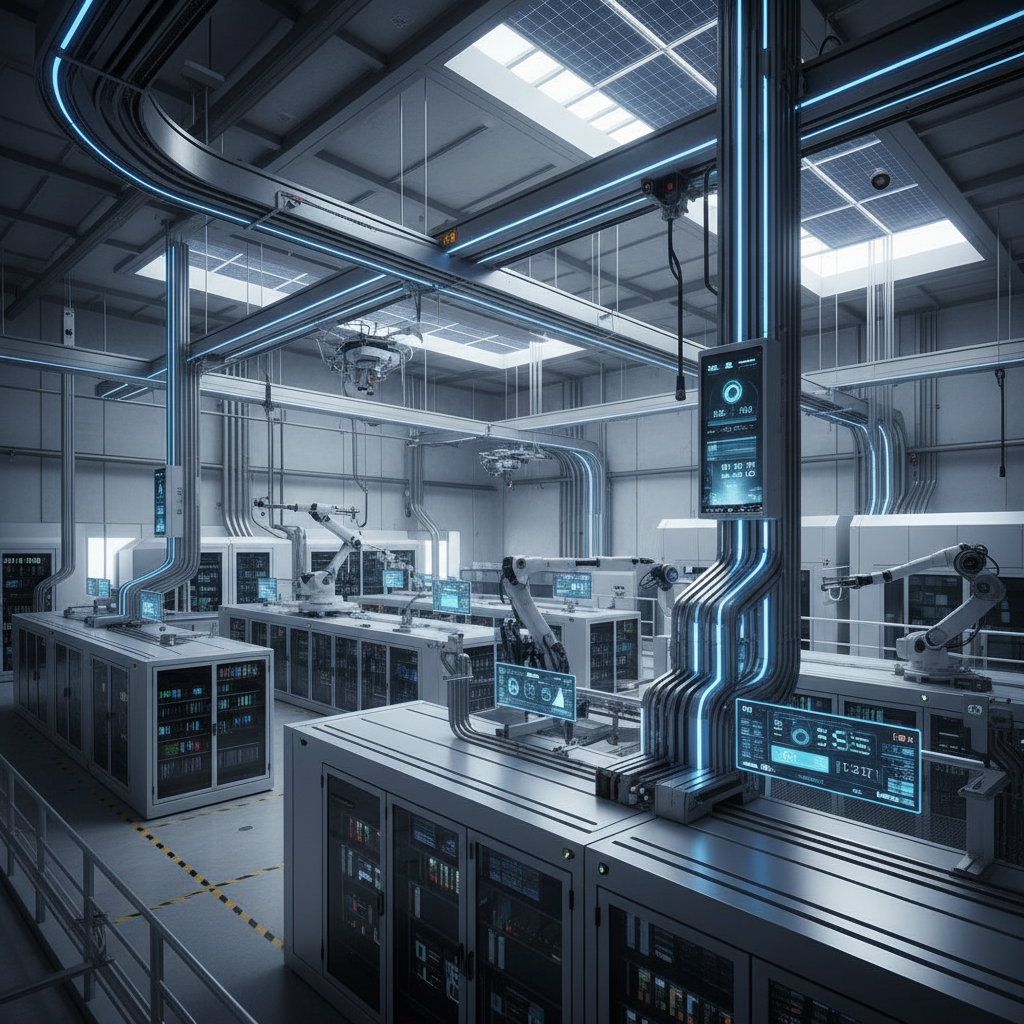
Busduct Busbars offer several advantages over traditional wiring systems, including reduced installation time, lower maintenance costs, and
enhanced safety features. With the integration of digital technologies and smart monitoring systems, the capabilities of Busduct Busbars are set to expand further,
catering to the evolving needs of industries seeking reliable power distribution solutions. As organizations invest in the latest technological advancements, the focus will shift
towards optimizing system performance while achieving sustainability goals, positioning Busduct Busbars as a key player in the
energy landscape of 2025 and beyond.
Revolutionizing Power Distribution: Cutting-Edge Busduct Designs for 2025
The revolution in power distribution is being driven by innovative
busduct designs that promise greater efficiency and flexibility for the electrical infrastructure of the future.
By 2025, the global
busduct market is projected to reach USD 5.6 billion,
according to a recent industry report by Mordor Intelligence. This growth is fueled by the increasing demand for reliable and efficient power distribution systems
in commercial and industrial sectors.
Advanced materials and technologies are enhancing the performance of busducts, reducing thermal losses, and improving fault levels, thereby providing safer and more effective solutions.
Innovations in digital solutions, such as IoT-enabled monitoring systems and automated maintenance protocols, are crucial for maximizing
the efficacy of busduct systems. According to a report from ResearchAndMarkets, incorporating digital solutions can improve operational efficiency by up to 30%,
allowing for predictive maintenance that minimizes downtime and extends asset lifespan. As we move into 2025, the integration of smart technology with cutting-edge busduct designs
will not only optimize power distribution but also pave the way for a more sustainable energy infrastructure, adapting to the demands of a digitally-driven world.
Smart Technology Integration: Enhancing Busbar Functionality in Modern Systems
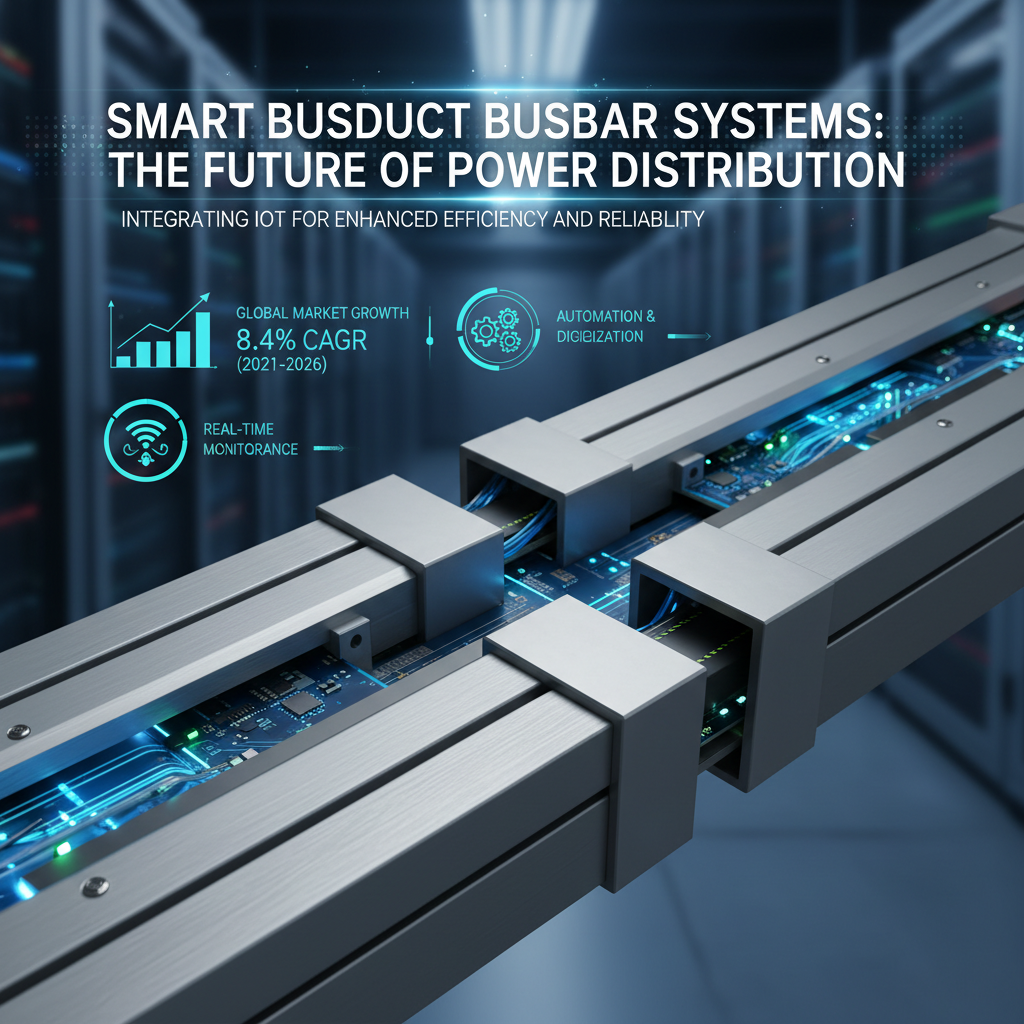
In the evolving landscape of electrical infrastructure, the integration of smart technology with busduct busbar systems is set to redefine operational efficiency. Reports indicate that the global busbar market is projected to grow at a CAGR of 8.4% from 2021 to 2026, driven primarily by advancements in automation and digitization. This growth is fueled by an increasing demand for reliable power distribution systems that seamlessly integrate with smart grid technology. By adopting IoT-enabled busduct busbars, facilities can achieve real-time monitoring and predictive maintenance, leading to reduced downtime and increased reliability of power systems.
Moreover, the advent of digital solutions allows for enhanced functionality in modern busbar systems. Features such as energy metering, automatic fault detection, and remote operation are becoming essential in managing energy consumption efficiently. According to a recent industry report, organizations implementing smart technology solutions in their electrical infrastructure have reported energy savings of up to 30%. These innovations not only optimize performance but also contribute significantly to sustainability goals, making modern busduct busbar systems a crucial component of tomorrow's electrical systems. As we look toward 2025, the integration of these advanced technologies will likely position busducts as a cornerstone of efficient and sustainable energy management.
Sustainability Trends: Eco-Friendly Innovations in Busduct Manufacturing
In recent years, the focus on sustainability has drastically reshaped the busduct manufacturing industry. Eco-friendly innovations are at the forefront, pushing manufacturers to adopt greener practices while also enhancing performance. Utilizing recycled materials in the production of busbars not only minimizes waste but also reduces the carbon footprint associated with manufacturing.
Moreover, advancements in design allow for more efficient energy transmission, which further supports environmental goals by reducing energy loss.
Tips for integrating sustainability in your busduct projects include: first, consider sourcing materials from suppliers who prioritize eco-friendly practices. This can significantly enhance the sustainability profile of your project. Second, explore options for modular busduct systems that allow for easy upgrades and modifications, minimizing waste over the lifecycle of the installation. Lastly, stay abreast of digital solutions that enable better energy management, ensuring that your system is both effective and environmentally responsible.
As we move towards 2025, the trend toward sustainability in busduct manufacturing will continue to evolve. Innovations such as energy-efficient coatings and smart monitoring systems are emerging as crucial elements in developing eco-friendly busduct solutions. By embracing these trends, organizations can promote a more sustainable future while benefiting from enhanced operational efficiencies.
Digital Monitoring Solutions: Real-Time Data Management for Busbars
As the demand for efficient and reliable power distribution systems grows, digital monitoring solutions for busbars are becoming increasingly vital. Real-time data management has emerged as an essential component in ensuring optimal performance of busduct systems. By leveraging advanced sensors and IoT technology, operators can gather critical information regarding the load, temperature, and overall health of busbars. This immediate access to data empowers facility managers to make informed decisions, preventing potential failures and enhancing safety.
Furthermore, integrating digital monitoring solutions not only facilitates real-time analysis but also enables predictive maintenance strategies. By analyzing patterns and trends within the data collected, companies can identify anomalies before they lead to significant issues. This proactive approach not only reduces downtime but also lowers operational costs associated with emergency repairs. The continuous evolution of digital tools promises to enhance the reliability and efficiency of busbars, setting the stage for innovation in the sector well into 2025 and beyond.
Ultimate Guide to Busduct Busbar Innovations for 2025 Top Digital Solutions - Digital Monitoring Solutions: Real-Time Data Management for Busbars
| Dimension |
Description |
Data Type |
Frequency |
Monitoring Method |
| Temperature |
Monitors the temperature of busbars to prevent overheating |
Analog/Digital |
Real-time |
Infrared Sensors |
| Current Load |
Measures the current flowing through each busbar |
Digital |
Continuous |
Smart Meters |
| Voltage |
Tracks voltage levels across the busbar system |
Analog/Digital |
Every second |
Voltage Sensors |
| Fault Detection |
Identifies any anomalies or faults in the busbar system |
Digital |
Instantaneous |
Automated Alarms |
| Energy Consumption |
Calculates the energy usage of the busbar system |
Digital |
Daily |
Energy Meters |
Future-Proofing Infrastructure: Adapting Busducts to Emerging Energy Needs
As the energy landscape evolves, adapting busducts to meet emerging energy needs is essential for future-proofing infrastructure. Busduct systems, designed for efficient power distribution, must incorporate innovative technologies that address the challenges of renewable energy integration and increased energy demand. The shift towards decentralized energy sources like solar and wind power necessitates flexible busduct solutions that can easily accommodate variable loads and allow for seamless scaling.
Integrating digital solutions into busduct infrastructure can play a pivotal role in this adaptation. Advanced monitoring systems, powered by IoT technology, can provide real-time data on power usage and system performance, enabling better decision-making and enhancing reliability. Additionally, smart busducts equipped with predictive maintenance capabilities can reduce downtime, ensuring continuous operation in an increasingly dynamic energy environment. As we move towards 2025, the focus must be on creating busduct systems that not only support current energy demands but are also resilient enough to adapt to future changes in energy generation and consumption patterns.
Busduct Busbar Innovations for 2025
This chart illustrates the projected advancements in busduct busbar technologies and their adoption rates across various sectors by 2025.