What is a Bus Duct and How Does it Work?
In today's modern electrical systems, the role of the Bus Duct is crucial. An expert in the field, John Smith, once stated, "Bus Ducts are the veins of our electrical infrastructure." This highlights their significance in power distribution.
Bus Ducts are metallic conduits that carry electricity from transformers to various equipment. They are designed to handle high power loads with efficiency and safety. This design minimizes installation space and improves airflow. Their compact nature is especially beneficial in busy environments where space is limited.
Despite their advantages, Bus Duct systems are not without challenges. Installation can be complex, requiring skilled professionals to ensure safety and reliability. Reflecting on these complexities, industry experts often reconsider design choices. Continuous improvements are necessary to enhance function and efficiency. The future of Bus Duct technology may hinge on intuitive design and smarter solutions.
What is a Bus Duct?
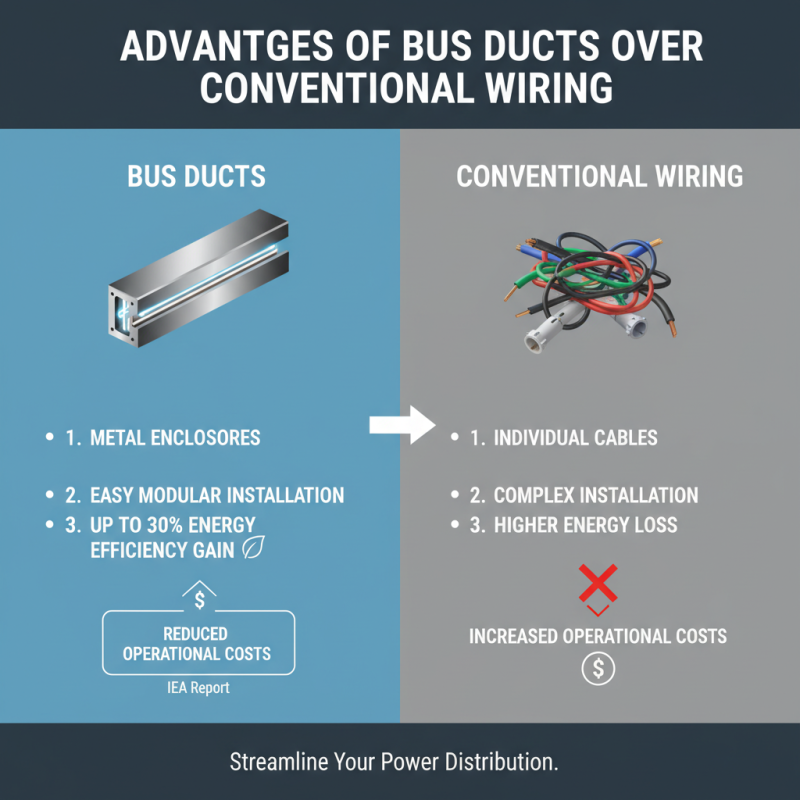
A bus duct is an essential component in electrical distribution systems. It serves as a conduit for electrical conductors, allowing safe and efficient transfer of power. Typically found in commercial and industrial settings, bus ducts can carry high currents. They often replace traditional cabling due to their space-saving design and ease of maintenance.
According to industry reports, bus ducts can handle currents ranging from 400 to 6,000 amperes. Their compact structure minimizes the risk of overheating, a common issue in conventional cable systems. However, installation requires careful planning. Improper placement can lead to unforeseen load imbalances, impacting overall efficiency.
Bus ducts are made from materials that can withstand harsh environments. They are often housed in aluminum or steel enclosures. This construction provides durability but can pose challenges during repairs. Accessibility is a key consideration. Technicians might struggle if components are poorly designed. Regular inspections are vital to avoid significant downtimes. This balance of efficiency and maintenance remains a topic of discussion in many engineering forums.
What is a Bus Duct and How Does it Work?
| Dimension |
Description |
Typical Use |
Advantages |
| Material |
Typically made from aluminum or copper |
Power distribution in substations |
High conductivity, lightweight |
| Rating |
Available in various current ratings (up to several thousand Amperes) |
Heavy industrial applications |
High load capacity |
| Configuration |
Can be straight, L-shaped, or U-shaped |
Flexible installation in large facilities |
Easy to adapt to facility layouts |
| Insulation |
Insulated for safety and efficiency |
Power distribution in commercial buildings |
Reduces energy losses |
| Cooling |
Can be air-cooled or water-cooled |
Data centers and power plants |
Enhances performance under heavy load |
Components of a Bus Duct System
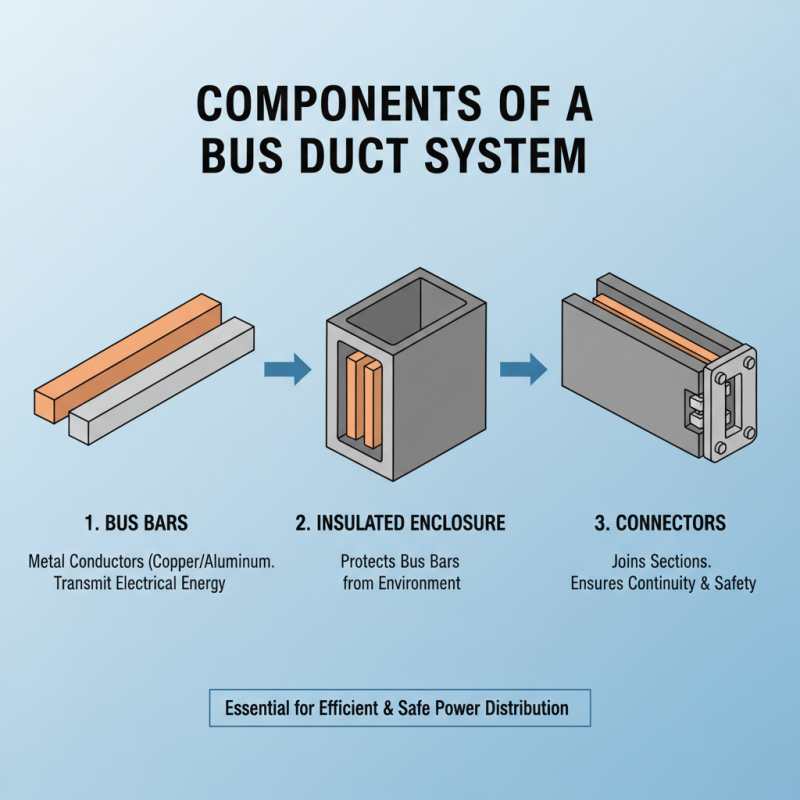
Bus duct systems are essential in electrical distribution. They consist of several key components which ensure efficiency and safety. The primary parts include the bus bars, insulated enclosures, and connectors. Bus bars are metal conductors, often made of copper or aluminum. They allow for the effective transmission of electrical energy. Insulated enclosures protect these bars from environmental elements.
Connectors play a crucial role in linking different sections of the bus duct. These components must withstand high temperatures and mechanical stress. According to a recent industry report, nearly 30% of electrical failures in industrial settings stem from poor connections. This highlights the need for quality materials and installation.
Monitoring systems, like temperature sensors, are also vital. They can detect overheating and prevent failures. An estimated 1.5% of operational costs in facilities can be attributed to power supply issues. Therefore, investing in reliable bus duct components is essential for reducing long-term expenses. However, the system's complexity can pose challenges. Regular maintenance and inspections are necessary to ensure optimal performance, often overlooked by many operators.
How Bus Ducts Function in Electrical Distribution
Bus ducts play a crucial role in electrical distribution systems. They consist of metal conduits that house electrical conductors. These conductors efficiently transfer electrical energy from one point to another. The design allows for high current capacities, making them suitable for various applications.
In operation, bus ducts provide a pathway for electricity. They connect transformers, switchgear, and circuit breakers. The conductors inside are typically insulated, which enhances safety. However, bus ducts can face issues like overheating. Regular inspection is necessary to ensure optimal performance. Inadequate ventilation can worsen heat build-up.
Additionally, installation must be done carefully. A poorly placed bus duct can lead to inefficient electrical distribution. There’s a risk of circuit overload if the system is not designed correctly. Adequate planning and maintenance cycles are essential. Each of these factors contributes to the overall reliability of the electrical infrastructure.
Bus Duct Usage in Electrical Distribution
This bar chart illustrates the distribution of bus duct usage across various applications in electrical distribution systems. The data reflects the percentage of bus duct usage in key environments such as transformer rooms and data centers.
Common Applications and Installation Practices for Bus Ducts
Bus ducts are vital in modern electrical distribution systems. These systems streamline the flow of electricity, especially in large facilities. They provide several advantages, including flexibility, safety, and ease of installation. Industry reports suggest that bus ducts can enhance conductivity by up to 20% compared to traditional cables. This is crucial in high-demand environments.
Installation practices vary widely. Some facilities prefer overhead bus ducts due to space constraints. Others opt for floor-mounted designs. Each method has unique challenges. For instance, overhead installations can face issues like accessibility for maintenance. On the other hand, floor-mounted systems may require more space and can complicate layout planning. According to a report from a leading electrical engineering firm, improper installation can diminish performance by over 15%. It’s essential to follow best practices while allowing room for site-specific adjustments.
Common applications of bus ducts include commercial buildings, industrial plants, and data centers. They serve as conduits for high-voltage electricity, reducing the risk of short circuits. Still, there are risks associated, like overheating if not properly ventilated. Regular inspections are crucial to mitigate such risks. The demand for efficient power solutions continues to grow, pushing innovations in bus duct systems.