Best Copper Dense Busway Options for Efficient Power Distribution?
The efficiency of power distribution is a critical concern in today’s energy landscape. The growing demand for efficient electrical systems necessitates innovative solutions. Among these, the Copper Dense Busway stands out as a leading option. With copper’s superior conductivity, it offers advantages in reducing power losses. Industry reports indicate that copper busways can decrease energy losses by up to 30% compared to traditional aluminum alternatives.
According to the International Energy Agency, upgrading to more efficient power distribution systems could save billions globally. The copper dense busway is not only efficient but also compact, allowing for more flexible installations in tight spaces. However, investments in copper can be substantial. The fluctuating price of copper adds another layer of complexity to projects.
While benefits are evident, the durability and maintenance of busways often raise concerns. Some installations may face challenges with heat dissipation and long-term reliability. Understanding these factors is crucial for optimizing the use of copper dense busway systems. Ultimately, weighing the pros and cons is essential for achieving effective power distribution in various applications.

Best Copper Dense Busway Options for Efficient Power Distribution
When it comes to efficient power distribution, choosing the right copper dense busway is crucial. These systems offer superior conductivity, reducing energy losses significantly. They are designed for high capacity, which makes them ideal for commercial and industrial settings. However, selecting the best option can be challenging.
Consider the layout and space constraints of your facility. A busway that fits well with your infrastructure is essential. Look for solutions that allow for flexibility and easy installation. The weight of copper busways can be substantial, so planning for proper support is necessary. It’s important to think about future expansions or modifications as well.
There are various designs to choose from, each with unique benefits. Some might excel in thermal management, while others prioritize ease of maintenance. It's vital to evaluate your specific needs carefully. Remember, no solution is perfect. Regular assessments can help identify areas for improvement. This reflection can enhance overall performance and reliability, making the right choice even more essential.
Overview of Copper Dense Busways in Power Distribution Systems
Copper dense busways have gained traction in the power distribution industry. Their efficiency and reliability make them an appealing choice for various applications. According to a recent market analysis, the global busway market is projected to reach $17 billion by 2026, driven by increasing demand for efficient electrical distribution systems.
The use of copper in busways enhances conductivity, offering lower resistance compared to aluminum alternatives. This property leads to reduced energy losses during transmission. Notably, copper dense busways can improve overall system efficiency by up to 30% under optimal conditions. In urban areas, where space is limited, these busways allow for compact installations. However, the initial cost may deter some stakeholders.
Moreover, the environmental impact of manufacturing copper products should not be overlooked. The extraction and processing of copper require significant energy. Also, the recycling rate for copper busways remains a concern. While they offer clear advantages, industry players must address these sustainability challenges. Balancing efficiency and environmental responsibility is crucial for future developments in this sector.
Key Benefits of Using Copper Dense Busways
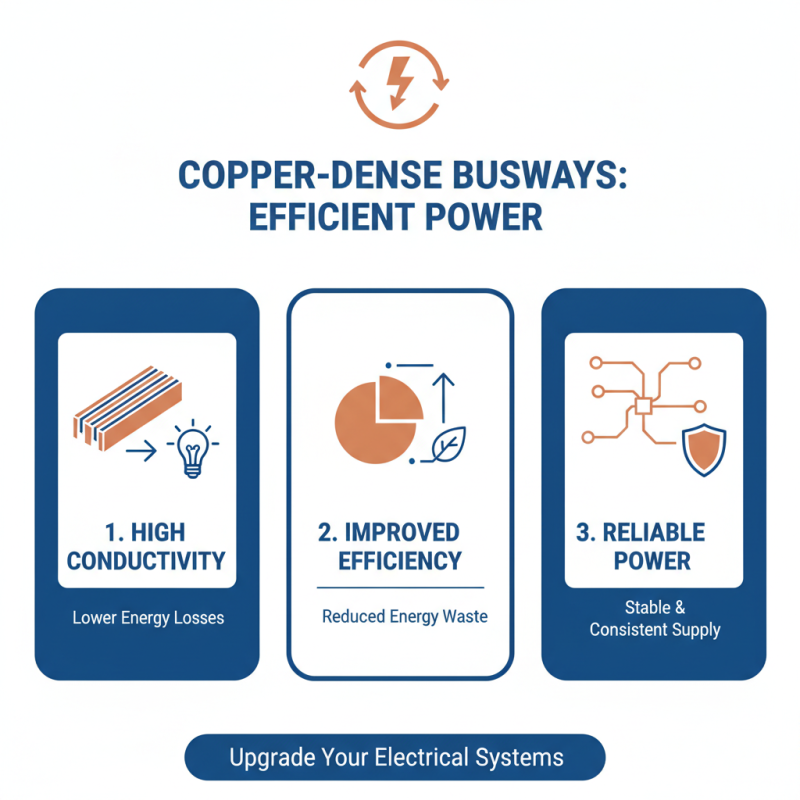
Copper dense busways are becoming popular for efficient power distribution. They offer several key benefits that can significantly improve electrical systems. One major advantage is their high conductivity. This enables lower energy losses during transmission. As a result, it supports better overall energy efficiency.
Additionally, copper dense busways are compact. Their design allows for easy installation in tight spaces. This can save valuable real estate within facilities. Moreover, they are durable and can withstand harsh conditions. However, there's a consideration regarding costs. While their initial investment may be higher, the long-term savings on energy bills can offset that.
Another aspect worth mentioning is the thermal management of copper. It efficiently dissipates heat, reducing the risk of overheating. This can prolong the lifespan of connected equipment. Still, some users may find it challenging to evaluate their specific needs. Each installation has unique requirements, making it essential to conduct thorough assessments before choosing any option.
Comparison of Top Copper Dense Busway Manufacturers
When choosing a copper dense busway, efficiency is vital. Several factors influence your decision. Compare manufacturer offerings based on power capacity, thermal performance, and design flexibility. Each company has unique strengths and weaknesses.
Some manufacturers focus heavily on innovation, while others prioritize cost-effectiveness. It’s essential to evaluate these elements for your specific needs. Test how they perform under different conditions. Pay attention to installation and maintenance requirements.
Tips: Always consult data sheets for accurate specifications. Consider future expansion capabilities. Also, look into how each manufacturer’s product stands against industry standards. Make informed choices based on detailed comparisons. The ideal solution may not always be the most obvious one. Sometimes lesser-known options can surprise you with superior performance.
Installation Considerations for Copper Dense Busways
When considering copper dense busways, installation is key. The layout impacts efficiency. A recent industry report shows that improper installation can reduce system performance by up to 30%. Planning the busway route carefully is essential. Ensure the busway avoids sharp bends and excessive lengths. This helps maintain optimal electrical performance.
Additionally, grounding and bonding are critical. According to the Electrical Safety Foundation International, improper grounding can lead to equipment damage and safety hazards. Each connection should be tight and secure. Verify all terminations regularly. A lack of maintenance may cause failures. Moreover, consider environmental factors. High temperatures can reduce efficiency. Ensure adequate ventilation around the busway to avoid overheating.
Lastly, keep in mind that compliance with local codes is vital. Some regions require specific installation practices. Ignoring these can result in costly fines. Regular training for installation teams is necessary. They must stay updated on industry standards. Reflection on past installations can improve future practices. Mistakes can provide valuable lessons for efficiency gains.
Conclusion
The article "Best Copper Dense Busway Options for Efficient Power Distribution" provides an insightful overview of copper dense busways and their integral role in modern power distribution systems. Copper dense busways are known for their superior conductivity and reliability, making them an ideal choice for managing electrical loads in various settings. The key benefits of using copper dense busways include improved energy efficiency, reduced installation space requirements, and enhanced safety features compared to traditional power distribution methods.
Furthermore, the article compares leading manufacturers of copper dense busways, highlighting their innovative designs and performance metrics. It also addresses installation considerations to ensure optimal integration into existing systems and outlines future trends in technology that aim to enhance the functionality and efficiency of copper dense busways. Overall, this comprehensive examination emphasizes the importance of copper dense busway solutions in achieving efficient power distribution in an increasingly energy-conscious world.