Best Busway Lighting Solutions for Global Buyers?
In the pursuit of optimal safety and functionality, Busway Lighting is essential for modern transportation. This lighting solution plays a vital role in enhancing visibility, ensuring passengers' safety, and improving overall transit efficiency. With various options available in the market, global buyers face the challenge of selecting the best solutions suited for their unique needs.
Considerations include energy efficiency, durability, and design adaptability. Effective Busway Lighting must withstand harsh environmental conditions while providing adequate illumination. This dual responsibility emphasizes the need for reliable, high-quality products. Buyers often find themselves overwhelmed by choices, each with different specifications and price points. Real-world experiences highlight that not every lighting solution performs as promised.
Furthermore, ensuring compliance with international safety standards can complicate the selection process. Trustworthy suppliers offer guidance and expertise, helping clients navigate these complexities. In an industry where advancements occur frequently, staying updated is crucial for making informed decisions. The quest for the best Busway Lighting solutions requires careful evaluation, ensuring both functionality and safety in public transport systems.
Overview of Busway Lighting Requirements for Global Markets
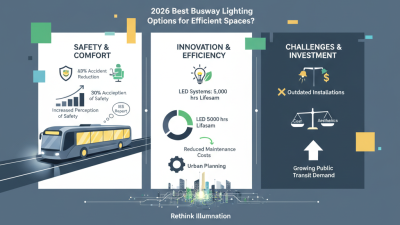
Busway lighting plays a crucial role in the efficiency of transportation hubs worldwide. With rising demand for safety and visibility, understanding regional lighting requirements is essential. For instance, the International Energy Agency (IEA) reports that proper lighting can reduce accidents by 30%. This data highlights the importance of tailored solutions that meet specific market needs.
In global markets, the focus is shifting towards energy-efficient LED lights. Reports by the Lighting Research Center indicate that LED technology can lower energy costs by up to 75%. This is significant given that public transportation systems are often under budget constraints. Adopting modern lighting can lead to both operational savings and improved passenger experiences. However, local regulations vary widely. Some regions may prioritize aesthetic elements while others emphasize functionality.
There is also a growing trend in integrating smart technology into busway lighting systems. Smart systems, equipped with sensors, can adjust brightness based on the time of day or weather. While these solutions offer numerous benefits, they require a substantial upfront investment. The return on investment is not immediately clear, raising questions about long-term sustainability. It's crucial for stakeholders to consider these factors before implementing new lighting technologies.
Factors Influencing Busway Lighting Selection and Design
When selecting busway lighting solutions, several factors come into play. The surrounding environment is crucial. Urban areas often require more robust lighting due to higher pedestrian traffic. Designers must consider how light interacts with buildings and street fixtures. This can affect visibility and safety. Proper brightness levels will enhance user experience while reducing accidents.
In terms of energy efficiency, LED technology stands out. Its longevity and lower power consumption are advantageous. However, not all LEDs are created equal. Selecting the right lumen output is vital for ensuring adequate illumination. Poor choices can lead to dark spots or glare that impacts safety and comfort.
Specific design considerations also contribute to the overall effectiveness. Light placement, angle, and fixture height matter significantly. A poorly positioned light can create shadows, leading to uncertainty. Regular evaluations after installation can highlight areas needing adjustment.
Understanding local regulations can guide choices, too. Compliance ensures safety and can aid in quality assurance. Balancing aesthetics and functionality often requires compromise. Finding that sweet spot is essential for long-term success.
Comparative Analysis of Lighting Technologies for Busways
When considering busway lighting solutions, various technologies come into play. LED lighting is gaining traction due to its energy efficiency. Studies show that LEDs use 75% less energy than traditional lighting. This shift can yield substantial savings in operational costs over time. A report by the International Energy Agency indicates that properly implemented LED systems can reduce maintenance needs and extend replacement intervals.
Another notable technology is high-intensity discharge (HID) lamps. While they offer high lumen output, their efficiency does not match that of LEDs. HID fixtures consume more energy and require frequent replacements. A survey from the American Lighting Association revealed increasing dissatisfaction with HID lighting longevity. Many buyers now seek alternatives, highlighting the shifting preferences in the industry.
Solar-powered lights are also emerging as a viable option, especially in remote areas. They can provide significant cost savings. However, they are less reliable in regions with limited sunlight exposure. The fluctuating performance raises concerns about safety in busways. An emerging trend illustrates the growing vigilance needed in assessing the suitability of lighting solutions. As demand evolves, a critical evaluation of these technologies becomes essential to ensure safety and cost-effectiveness.
Key Suppliers and Brands in the Busway Lighting Industry
When considering busway lighting solutions, it's crucial to focus on key suppliers and brands within the industry. Various manufacturers specialize in innovative lighting technologies tailored for busway systems. These suppliers often emphasize energy efficiency and durability in their offerings. Selecting the right products can enhance safety and visibility in busway environments.
In your purchasing journey, always assess the supplier's reputation. Reliable suppliers typically offer extensive product ranges with proven performance. Look for certifications that validate quality standards. Engaging with customer reviews can provide insight into the reliability of the lighting systems. Don’t rush the decision; take time to compare features and costs.
In addition to product features, consider the installation requirements. Some systems may need specialized knowledge for setup. You might encounter challenges in adapting existing infrastructure. Assess whether the design will integrate smoothly or require significant modifications. This reflection can save frustrations later. It's all about finding the perfect balance between quality, cost, and ease of use, ensuring safety and functionality in your busway lighting solutions.
Future Trends in Busway Lighting Solutions for Enhanced Efficiency
The future of busway lighting solutions is evolving rapidly. New technologies are enhancing energy efficiency, which is vital in reducing operational costs. According to industry research, efficient lighting systems can lower energy consumption by up to 30%. This shift is driven by the increasing demand for sustainable transport infrastructure.
LED technology is a game-changer for busway lighting. It offers longer lifespans and lower maintenance costs compared to traditional lighting. Reports suggest that LED lights can last up to 50,000 hours. Many municipalities are recognizing the importance of well-lit busways for safety and visibility. However, not all systems utilize smart controls, which can optimize energy use further. There's a gap that needs addressing.
Integration of IoT in lighting systems is a growing trend. Smart sensors can adjust brightness based on real-time conditions, enhancing efficiency. A study indicates that cities utilizing smart street lighting save as much as 40% on energy. Yet, the implementation is still uneven across regions. Many areas remain reliant on outdated systems. Reflecting on these challenges can lead to better solutions for global buyers seeking advanced busway lighting.
Best Busway Lighting Solutions for Global Buyers
This chart represents the energy efficiency of different busway lighting solutions measured in lumens per watt. As indicated, LED lighting solutions provide the highest energy efficiency, followed by fluorescent and halogen lights.