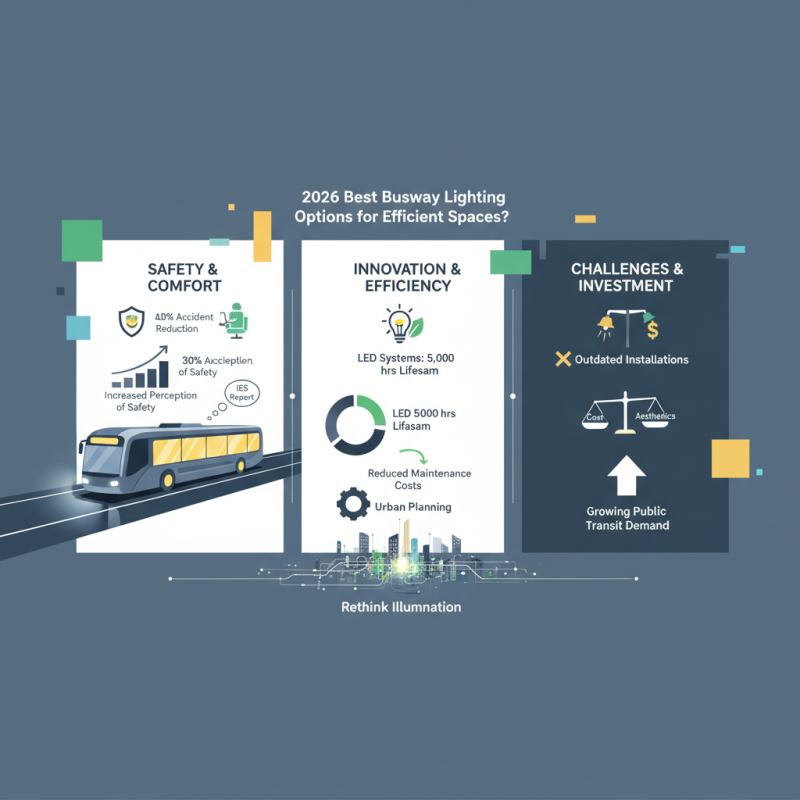
2026 Best Busway Lighting Options for Efficient Spaces?
Efficient busway lighting is crucial for the safety and comfort of passengers. According to a recent report by the Illuminating Engineering Society, well-designed lighting can reduce accidents by up to 30%. Poor lighting leads to discomfort and can decrease the perception of safety among commuters.
Innovative busway lighting solutions can dramatically improve visibility. Options like LED systems offer energy efficiency, lasting up to 50,000 hours. This is a game changer for urban planners looking to cut maintenance costs. Yet, challenges remain. Many existing installations are outdated, failing to meet modern safety standards.
Investing in the right busway lighting is essential. Cities must consider a variety of factors, including cost, efficiency, and aesthetics. The balance between functionality and design can be tricky. As demand for public transportation rises, the need for effective lighting solutions becomes even clearer. It's time to rethink how we illuminate these vital spaces.
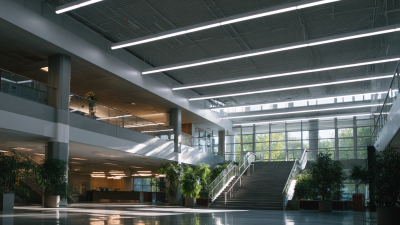
2026 Busway Lighting Innovations: Enhancing Safety and Visibility
In 2026, busway lighting innovations focus on safety and visibility. These advancements come from the need for well-lit spaces. A bright environment reduces accidents and improves traffic flow. Proper lighting can highlight key areas such as bus stops and crosswalks. This makes it easier for passengers and drivers to see each other clearly.
New technologies offer various options. For example, LED lights enhance visibility while consuming less energy. Adaptive lighting systems adjust to surrounding conditions. This means brighter lights when it’s dark and dimmer lights when it’s bright. However, not all installations achieve the desired effect. Some areas remain poorly lit despite new fixtures.
There’s also a human factor to consider. How passengers perceive lighting influences their safety. A well-lit busway can feel inviting or intimidating. It’s essential to gather feedback from users. Their experiences can guide future improvements. Without addressing these nuances, even the best technology might fall short.
Understanding the Impact of LED Technology on Busway Lighting Efficiency
The rise of LED technology is changing busway lighting. LEDs consume less energy than traditional bulbs. This efficiency directly impacts operational costs for public transport systems.
LED lights also offer better visibility. Their brightness enhances safety for passengers and drivers alike. However, not all LED options are created equal. Some may flicker or produce uneven light distribution. This inconsistency can be distracting and reduce overall effectiveness.
Another consideration is maintenance. While LEDs generally have a longer lifespan, they can still fail. Regular checks are necessary to identify issues early. Choosing the right fixtures and proper installation can mitigate future problems. Investing in quality is essential for durability and efficiency. It's crucial to weigh these factors when selecting busway lighting.
2026 Best Busway Lighting Options for Efficient Spaces
| Lighting Type |
Lumen Output |
Energy Consumption (Watts) |
Lifespan (Hours) |
Efficiency (Lm/W) |
| LED Panel Lights |
4000 Lm |
40 Watts |
50,000 Hours |
100 Lm/W |
| LED High Bay Lights |
3000 Lm |
30 Watts |
60,000 Hours |
100 Lm/W |
| LED Street Lights |
5000 Lm |
50 Watts |
100,000 Hours |
100 Lm/W |
| LED Flood Lights |
6000 Lm |
60 Watts |
50,000 Hours |
100 Lm/W |
| LED Tube Lights |
2000 Lm |
20 Watts |
30,000 Hours |
100 Lm/W |
Comparative Analysis of Smart Lighting Solutions for Urban Transit Spaces
Urban transit spaces require effective lighting solutions to ensure safety and comfort. Smart lighting can enhance these areas significantly. One key aspect is adaptability. Lighting systems should respond to varying passenger volumes and environmental changes. For example, brightening as crowds gather can improve visibility and security.
Another consideration is energy efficiency. Innovative sensors can adjust brightness based on natural light availability. This not only saves energy but also reduces costs in the long run. However, many systems struggle with incorrect settings or outdated technology, leading to inefficiencies.
Integration with urban infrastructure is essential for optimal operation. Streetlights, busway lights, and digital displays should work in harmony. Unfortunately, many installations lack proper coordination, resulting in disjointed lighting experiences. There’s much room for improvement in these designs to ensure smooth transitions and better user experiences in urban transit environments.
Evaluating Energy Consumption and Cost Savings of Modern Busway Lighting
The evaluation of modern busway lighting delves into energy consumption and potential savings. Efficient lighting can significantly reduce electricity costs. A well-designed system optimizes visibility while minimizing energy use.
Tips: Assess the layout of your space. Identify areas that lack adequate lighting. This can help in determining where to invest for maximum effect.
Cost savings emerge when selecting energy-efficient materials. Consider LED options which last longer and use less power. The initial investment may seem high, yet the savings on electricity bills can be surprising.
Keep in mind, not all lighting fits every space. Experimentation may be required to find the right solution. Sometimes, what seems efficient might not meet the actual needs of the area. Evaluating the light distribution regularly can ensure your busway remains effective.
Integration of Sustainable Practices in Busway Lighting Design Solutions
Busway lighting plays a crucial role in creating efficient public transport environments. It not only enhances visibility but also supports sustainable practices. By integrating energy-efficient fixtures, we can reduce energy consumption significantly. Choosing LED lights helps lower maintenance costs while ensuring long-lasting performance.
Tips: Opt for smart lighting systems. They adjust based on real-time conditions, saving energy when not needed. Consider using solar-powered options for areas with ample sunlight.
The design process should focus on balance. Aesthetic appeal must align with functionality. Sometimes, designs that look impressive may not serve practical needs. Reflect on how each light placement affects safety and user experience. The ultimate goal is to create well-lit, welcoming spaces.