Top 10 Benefits of Power Distribution BusBar for Efficient Electrical Systems
In the realm of electrical systems, the significance of a Power Distribution BusBar cannot be overstated. Philip Johnson, a leading expert with over 20 years of experience in electrical engineering, has said, "The design of a Power Distribution BusBar can make or break system efficiency." This highlights the essential role BusBars play in modern electrical distribution.
Power Distribution BusBars are increasingly recognized for their ability to enhance system reliability and efficiency. These systems minimize energy loss and improve safety in electrical installations. Moreover, they foster effective heat dissipation, which is critical for maintaining optimal operating conditions. Engineers praise the compact design of BusBars, allowing for space-saving configurations in both residential and industrial applications.
However, it's important to acknowledge that not all BusBar installations are flawless. Miscalculations in load distribution can lead to overheating and equipment failure. Continuous advancements in technology bring benefits, but they also require critical evaluation of existing practices. As the industry evolves, professionals must be prepared to rethink and adapt their approaches to leverage the full potential of Power Distribution BusBars.
Overview of Power Distribution BusBar Technology
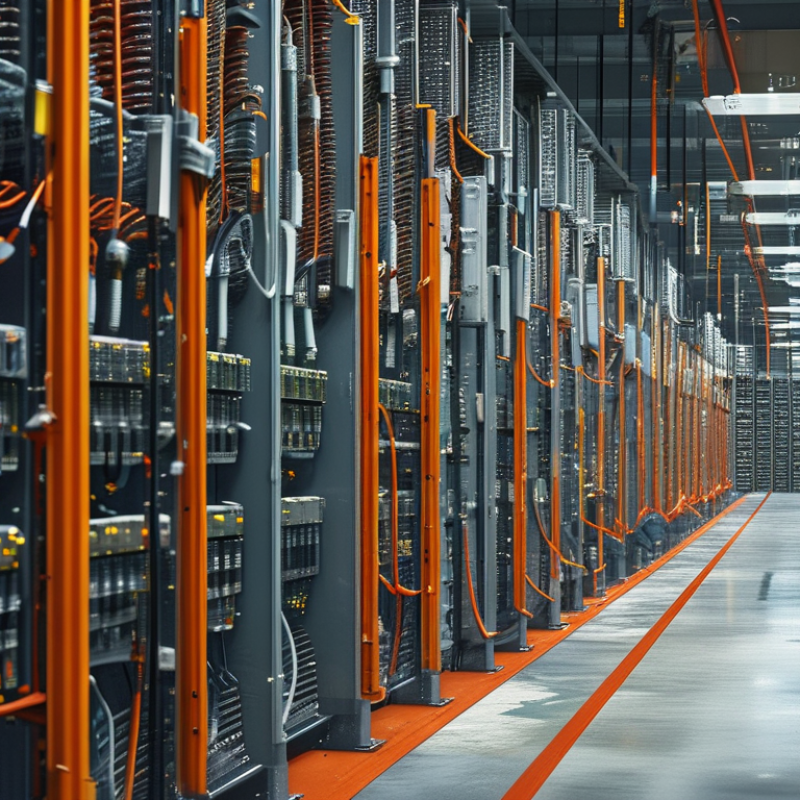
Power distribution busbars are vital components in modern electrical systems. They enhance efficiency significantly. According to a recent report by the International Electrotechnical Commission (IEC), implementing busbar technology can reduce energy losses by up to 30%. Busbars streamline power distribution, minimizing the space required for electrical installations. This technology is particularly valuable in data centers and large commercial buildings.
In designing electrical systems, it's crucial to consider the cooling requirements of busbars. Proper thermal management can prevent overheating and prolong their lifespan. Statistics show that overheating can decrease a busbar's efficiency by 20%. Therefore, ensuring that they are well-ventilated is essential. Additionally, the use of composite materials can enhance their durability while keeping weight low.
Tip: Regularly inspect connections and joints in the busbar system. Poor connections can lead to power loss and increase maintenance costs. Another tip is to monitor the current load; exceeding the rated capacity can result in unsafe operating conditions. Balancing loads across the busbar can help maintain efficiency and safety. Remember that proactive management of your busbar systems pays off in longevity and performance.
Enhanced Reliability and Reduced Downtime with BusBar Systems
Power distribution BusBar systems offer significant advantages in enhancing reliability and minimizing downtime in electrical infrastructure. These systems facilitate efficient energy management by distributing electrical power with minimal resistance and heat generation. With a solid BusBar, energy loss is drastically reduced, allowing for more efficient operations.
Utilizing BusBar technology also decreases the likelihood of equipment failures. Traditional wiring can suffer from loose connections and wear over time. In contrast, BusBars provide a robust and durable solution, carefully designed to withstand the demands of high-load environments. This durability translates to fewer system interruptions, which is crucial for industries that rely on continuous power.
Ultimately, while BusBar systems bring many benefits, there’s always a push for improvement. Reflecting on maintenance practices is vital. Regular inspections can identify potential issues before they escalate. Ensuring that your BusBar is properly installed and maintained is key to fully reaping its advantages. Balancing innovation while addressing existing imperfections will lead to even greater reliability in electrical systems.
Cost-Effectiveness of BusBar in Electrical Infrastructure
Power distribution busbars are essential in modern electrical systems. They distribute electricity efficiently and enhance overall system reliability. One of the most significant advantages is cost-effectiveness. Busbars often require less material and labor compared to traditional wiring. This reduces installation costs and downtime during setup.
When designing electrical infrastructure, consider these tips. Choose the right materials for your busbars. High-conductivity metals can improve efficiency. Additionally, ensure that your system has adequate cooling solutions. Overheating can lead to failures, increasing costs over time. Regular maintenance checks are crucial. Identify potential issues before they escalate.
Another aspect is space-saving. Busbars require less space than conventional wiring systems, allowing for more compact designs. This can lead to better layout flexibility in commercial and industrial settings. Yet, while the upfront costs may be lower, always factor in long-term savings. Assess the total cost of ownership, including energy efficiency and maintenance. Rethink your current setup; sometimes existing configurations can become inefficient. Keep looking for optimization opportunities.
Space Optimization and Design Flexibility of BusBar Solutions
Space optimization is crucial in designing efficient electrical systems. Power distribution BusBar solutions excel in this area. They significantly reduce the space required compared to traditional wiring methods. This compact design minimizes clutter and maximizes available space in switchgear rooms and distribution panels.
BusBars allow for flexible design configurations. They can easily adapt to varying layouts and system requirements. This flexibility simplifies the installation process and can significantly cut down on labor time. Designers can create systems that are tailored to specific needs without compromising on performance.
Tip: When designing a BusBar system, consider the layout early in the process. This will help identify potential space-saving opportunities. Look for ways to use vertical space, as BusBars can be stacked or placed in columns. Evaluate your design regularly. Continuous assessment ensures that the system remains efficient and effective as needs evolve.
Top 10 Benefits of Power Distribution BusBar for Efficient Electrical Systems
| Benefit |
Description |
Impact on Efficiency |
| Space Optimization |
BusBar systems utilize less space compared to traditional cabling systems. |
Increased layout efficiency in electrical rooms. |
| Design Flexibility |
BusBars can be designed to fit specific configurations for various projects. |
Custom solutions lead to enhanced performance. |
| Reduced Installation Time |
Simpler installation processes compared to cables. |
Lower labor costs and quicker project completions. |
| Enhanced Safety |
BusBars reduce the risk of electrical failures and fire hazards. |
Improved reliability of electrical systems. |
| Lower Maintenance Requirements |
BusBars require less frequent maintenance than traditional wiring. |
Reduced operational downtime and maintenance costs. |
| Improved Heat Dissipation |
Better thermal management compared to traditional cables. |
Prevents overheating and prolongs component life. |
| Cost-Effectiveness |
Long-term savings through reduced installation and maintenance costs. |
Overall lower lifecycle costs for electrical systems. |
| Scalability |
Easily expandable to meet increasing power demands. |
Flexibility in accommodating future growth. |
| Energy Efficiency |
Minimizes transmission losses, improving overall energy use. |
Reduced energy bills and carbon footprint. |
| Aesthetic Appeal |
Neater installations improve the appearance of electrical systems. |
Enhanced visual integration of electrical components. |
Improved Safety Features Offered by Power Distribution BusBar
Power distribution BusBar systems enhance safety in electrical infrastructures. They provide a stable and efficient way to distribute power. These systems reduce the risk of electrical faults. Compact designs allow for better space utilization, which promotes safer installations. Reduced equipment size often translates to fewer hazards.
One critical aspect is the ability to manage heat effectively. BusBar systems are designed to dissipate heat efficiently. This minimizes the chances of overheating, a common cause of electrical fires. Regular maintenance is essential. However, many overlook this necessity, increasing safety risks. Understanding how to maintain these systems is vital for safety.
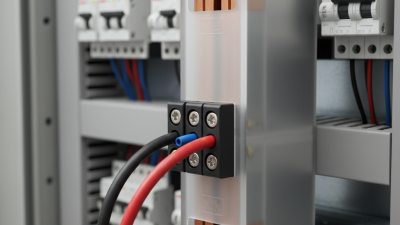
Another safety feature is the improved connection reliability. Well-designed BusBar systems decrease the chances of loose connections. Loose connections can lead to sparks and other dangerous situations. Regular inspections can help identify issues early. However, some may not prioritize these checks, which could lead to severe accidents. Fostering a culture of safety awareness around BusBar systems can significantly improve outcomes.
Top 10 Benefits of Power Distribution BusBar
This chart illustrates the top 10 benefits of using Power Distribution BusBar in electrical systems. Each benefit is measured on a scale of importance from 1 to 10, highlighting their significance in enhancing safety and efficiency.