Top 10 Benefits of Power Distribution BusBar for Businesses?
In today's fast-paced business environment, efficient power distribution is crucial. The "Power Distribution BusBar" system has emerged as a robust solution for various industries. According to a recent industry report by MarketsandMarkets, the global busbar market is projected to reach $23.76 billion by 2026, growing at a compound annual growth rate (CAGR) of 6.5%. This growth highlights the increasing reliance on effective power distribution systems in various sectors.
Power Distribution BusBars are known for their ability to streamline power distribution. They can significantly reduce energy losses compared to traditional wiring methods. Studies suggest that the implementation of BusBar systems can decrease installation time by up to 30%, which directly impacts overall project efficiency. However, while the benefits are compelling, it is essential for businesses to assess their unique needs carefully.
The adoption of Power Distribution BusBars is not without challenges. Initial costs may be higher than traditional systems. Yet, many businesses find that the long-term savings and enhanced performance justify this investment. As industries look for sustainable solutions, BusBars present a reliable option worth considering.
Understanding Power Distribution BusBar and Its Importance
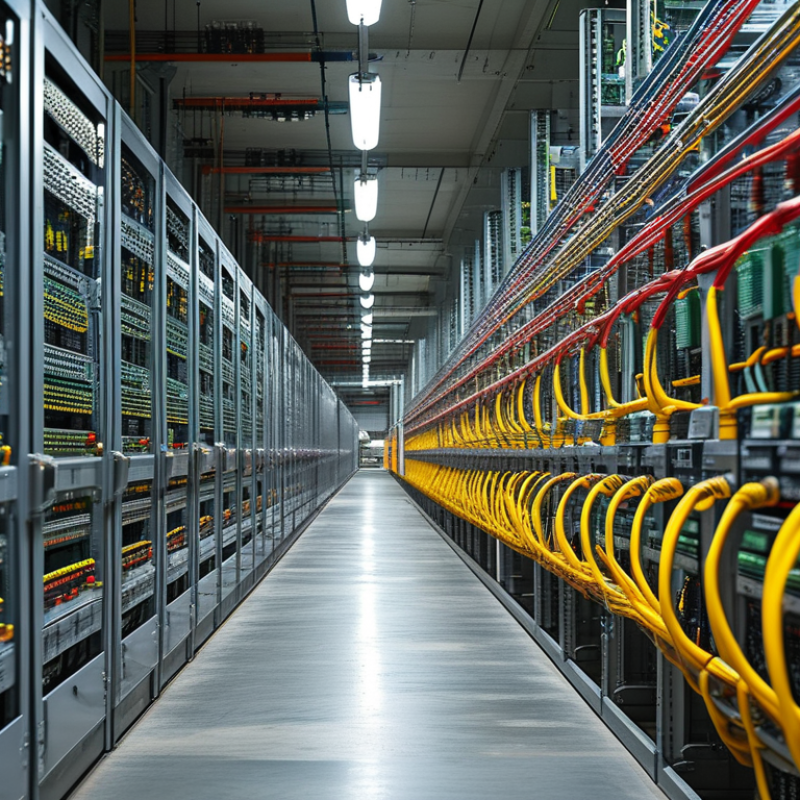
Power Distribution BusBar plays a crucial role in modern electrical systems. It's a crucial component that ensures effective power management in various businesses. By providing a clear path for electrical currents, it minimizes resistance and energy loss. This efficiency is vital for companies looking to reduce operational costs.
The design and construction of BusBar systems are intricate. They can be tailored to meet specific energy needs. But not all designs are foolproof. Companies must consider the layout and materials used to avoid potential failures. Regular inspections and maintenance are essential to ensure reliability. Neglecting these can lead to costly downtime.
Understanding the importance of BusBar goes beyond just installation. Staff training on its usage and benefits can enhance safety. Businesses should invest time in education and awareness. Balancing cost and efficiency is a continuous challenge. The benefits of implementing a well-designed BusBar system can outweigh the initial expenses. Nonetheless, ongoing assessments are crucial for long-term success.
Top 10 Benefits of Power Distribution BusBar for Businesses
This chart illustrates the various benefits of Power Distribution BusBar for businesses, rated on a scale from 1 to 10. As shown, benefits like Space Efficiency and Improved Reliability score highly, reflecting their significant impact on operational effectiveness.
Efficiency Improvements Through Power Distribution BusBar Systems
Power Distribution BusBar systems offer significant efficiency improvements for businesses. These systems streamline electrical distribution, reducing power losses. A well-designed busbar can handle high current loads effectively. This minimizes the risk of overheating and potential electrical failures.
Implementing a busbar system can simplify maintenance, as it allows for easier access to electrical components. The compact design of busbars can save space within electrical rooms. Additionally, they enable faster installation, cutting down on project timelines.
Tips: Regularly inspect your busbar for signs of wear or corrosion. Ensure that connections are tight to maintain optimal performance. Consider upgrading to a more efficient system if you notice frequent power losses. Identifying inefficiencies early can lead to significant cost savings in the long run.
Top 10 Benefits of Power Distribution BusBar for Businesses
| Benefit |
Description |
Impact on Business |
| Improved Efficiency |
Reduction of energy losses through optimized power distribution. |
Increased operational efficiency, lower electricity bills. |
| Space Saving |
BusBar systems require less physical space compared to traditional wiring. |
Better utilization of available space for other operations. |
| Increased Safety |
Reduced risk of electrical fires and failures due to high-quality installation. |
Enhanced safety for employees and protection of assets. |
| Flexibility |
Easily expandable and configurable to meet business needs. |
Accommodates growth without major infrastructure changes. |
| Cost-Effective |
Lower installation and maintenance costs compared to traditional systems. |
Improved return on investment over time. |
| Enhanced Reliability |
Less prone to failures leading to increased operational uptime. |
Minimized downtime, contributing to better service delivery. |
| Reduced Downtime |
Streamlined diagnostics and repairs simplify maintenance. |
Lower disruption to business operations. |
| High Current Capacity |
Ability to handle large currents without overheating. |
Supports high-demand applications effectively. |
| Environmental Benefits |
Lower energy consumption contributes to sustainability practices. |
Aligns with corporate responsibility and green initiatives. |
| Aesthetic Appeal |
Sleek design can enhance the look of electrical installations. |
Improved working environment and company image. |
Cost-Effective Advantages of Implementing BusBar Solutions
Implementing power distribution BusBar solutions offers companies multiple cost-effective advantages. These systems improve energy efficiency by reducing energy loss during transmission. BusBars are designed for high-capacity load distribution, allowing for optimized power flow. This efficiency can lead to significant savings on energy bills over time, helping businesses allocate funds to other critical areas.
Additionally, BusBars require less physical space than traditional wiring systems. Their compact design can free up valuable real estate within facilities. Less space used means lower installation costs and fewer materials needed. However, the initial setup cost can be higher than traditional systems, requiring some reflection on budget allocation. Assessing long-term returns is essential.
Maintenance costs may also be lower with BusBar systems. These components are durable and have fewer points of failure compared to complex wiring. Though initially, some businesses may hesitate due to upfront investments, realizing the benefits often justifies the expenses. Flexibility in updating and expanding these systems adds further financial advantages. Balancing these considerations can lead to informed decisions for sustainable growth.
Enhanced Safety Features Offered by BusBar Technology
The implementation of BusBar technology can greatly enhance safety features in electrical distribution systems. Unlike traditional wiring, BusBars offer a robust and compact solution. Their design minimizes the risk of electrical faults, reducing the chances of overheating and fire.
BusBars are manufactured using durable materials, ensuring a long lifespan. With proper installation, they protect against short circuits and overloads. Furthermore, their modular design allows for easy expansion while maintaining safety standards. This adaptability proves beneficial for growing businesses.
Regular inspections and maintenance are still crucial. Even advanced technology can face faults if not properly tended to. Companies should prioritize training staff on safety protocols surrounding BusBar systems. This training helps in recognizing potential issues early, ensuring that safety measures are always upheld.
Maintenance and Longevity Benefits of Power Distribution BusBar
Power distribution BusBars offer significant maintenance and longevity advantages critical for business operations. A recent industry report highlighted that efficient BusBar systems can reduce equipment failure rates by up to 30%. This translates to fewer operational interruptions and enhanced productivity. Compared to traditional wiring methods, BusBars often require less maintenance, cutting down on labor costs and downtime.
The longevity of BusBar systems is notable. With proper installation, they can last well over 30 years. This extensive lifespan is due to their robust design, which minimizes wear and tear. Data shows that organizations using BusBars experience 20% lower maintenance costs over time. This is partly because BusBars are less susceptible to thermal stress and electrical resistance issues. Regular inspections and minor adjustments can extend their operational life even further.
However, some businesses overlook the importance of routine maintenance checks. While BusBars are designed for durability, neglecting maintenance can lead to performance issues. Businesses should develop a proactive plan to monitor their BusBar systems. This may include visual inspections and thermal imaging, ensuring optimal functioning. Investing in maintenance can prevent unexpected failures and maintain the benefits of BusBar systems effectively.