Top Benefits of Busway Lighting Systems for Efficient Industrial Spaces
In the rapidly evolving landscape of industrial spaces, effective lighting solutions play a crucial role in enhancing efficiency and productivity. One promising innovation in this area is Busway Lighting, which offers several advantages over traditional lighting systems. According to John Smith, a leading expert in industrial lighting systems, “Busway Lighting not only improves visibility but also significantly reduces energy consumption, making it a smart choice for modern facilities.”
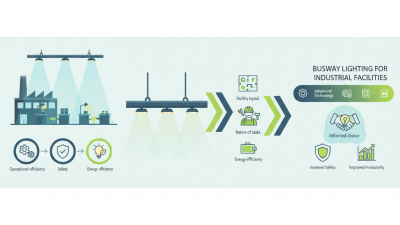
The integration of Busway Lighting can transform industrial environments by providing uniform illumination and flexibility in layout design, which is particularly important as operational needs shift. This lighting solution is designed to adapt to the dynamic nature of industrial spaces, allowing for easy modifications without extensive rewiring or structural changes. Furthermore, the advanced technology employed in Busway Lighting systems can lead to substantial cost savings, appealing to businesses looking to optimize their operational budgets.
With these benefits in mind, it is clear that Busway Lighting stands as a forward-thinking alternative for industries aiming to enhance their workspaces. By prioritizing energy efficiency and adaptability, organizations can not only create safer working conditions but also contribute to sustainability efforts within their operations.
Benefits of Busway Lighting Systems for Enhanced Energy Efficiency
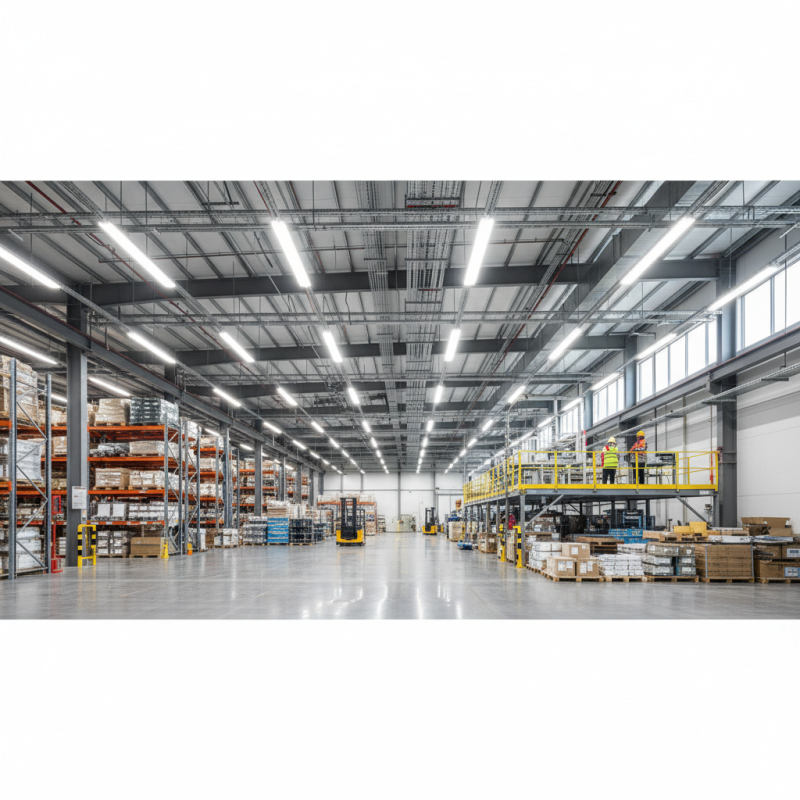
Busway lighting systems are becoming increasingly popular in industrial spaces due to their numerous benefits related to energy efficiency. One of the most significant advantages is their reduced energy consumption compared to traditional lighting systems. Busway systems use advanced LED technology, which not only consumes less power but also provides longer operational lifespans. This results in lower electricity bills and reduced carbon footprints, contributing to more sustainable industrial operations.
Moreover, the modular design of busway lighting systems allows for flexible configurations and easy scalability. This adaptability means that businesses can customize their lighting solutions based on the specific needs of their workspace, optimizing energy use. When lights can be easily relocated or adjusted, it reduces wastage and ensures that every area is adequately illuminated without unnecessary excess. As industries strive for greater energy efficiency, integrating busway lighting systems offers a strategic advantage to enhance productivity while minimizing operational costs.
Top Benefits of Busway Lighting Systems for Efficient Industrial Spaces
Impact on Operational Safety in Industrial Settings with Busway Lighting
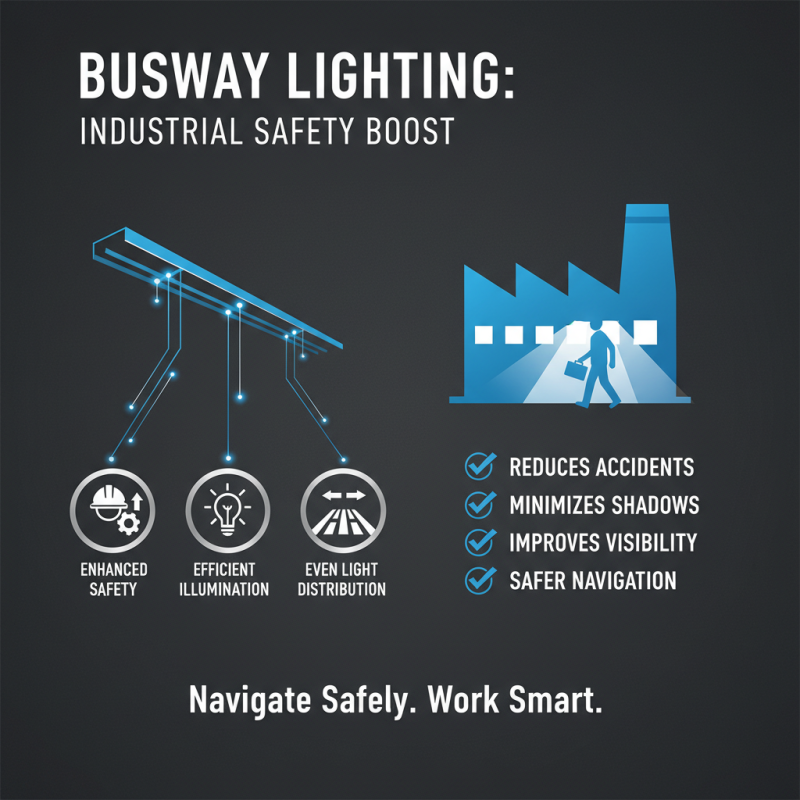
Busway lighting systems play a crucial role in enhancing operational safety within industrial environments. Their design allows for efficient illumination that adapts to the specific needs of various workspaces, promoting visibility and reducing the risk of accidents. With their ability to distribute light evenly across large areas, busway systems minimize shadows and dark spots, which are often a contributing factor in workplace injuries. This improved visibility is essential for maintaining concentration and allowing workers to navigate hazardous surroundings safely.
Moreover, the robust construction of busway lighting makes them suited for the rigorous demands of industrial settings. They are built to withstand harsh conditions, such as exposure to dust, moisture, and temperature fluctuations. By ensuring reliable and consistent lighting, these systems help mitigate risks associated with equipment operation and material handling. The enhanced safety they provide leads to fewer accidents, protecting employees while also reducing downtime and associated costs for businesses. In essence, implementing a busway lighting system not only improves safety measures but also contributes to overall operational efficiency in industrial facilities.
Cost-Effectiveness of Busway Lighting Systems Compared to Traditional Fixtures
Busway lighting systems have emerged as a cost-effective solution for industrial spaces, offering significant economic advantages over traditional lighting fixtures. One of the primary benefits is their modular design, which allows for flexible installation and easy reconfiguration as the needs of the workspace evolve. This adaptability reduces the overall costs associated with upgrading or modifying lighting layouts, as adjustments can be made without extensive electrical work or replacement of existing infrastructure.
Additionally, busway systems typically feature energy-efficient LED lights, which not only lower electricity bills but also extend the lifespan of the lighting. The reduced frequency of replacements and maintenance service further contributes to long-term savings. When compared to conventional fixtures, busway systems require less labor for installation and maintenance due to their streamlined nature. The combination of lower operational costs and diminished labor expenses positions busway lighting systems as a financially prudent choice for industries seeking to enhance their operational efficiency without compromising on quality or reliability.
Top Benefits of Busway Lighting Systems for Efficient Industrial Spaces
| Feature |
Busway Lighting Systems |
Traditional Fixtures |
| Initial Cost |
$2.50 - $4.00 per linear foot |
$5.00 - $10.00 per fixture |
| Installation Time |
50% faster |
Standard time required |
| Energy Efficiency |
Up to 70% savings |
Standard efficiency |
| Maintenance Frequency |
Every 5 years |
Every 2 years |
| Lifespan |
50,000 hours |
15,000 hours |
| Flexibility |
Very high |
Limited |
Flexibility and Scalability of Busway Lighting in Industrial Environments
Busway lighting systems are becoming increasingly popular in industrial environments due to their remarkable flexibility and scalability.
Unlike traditional fixed lighting solutions, busway systems allow for easy adjustments in lighting configurations to meet the evolving needs of industrial operations.
According to a report by the Illuminating Engineering Society, facilities utilizing busway lighting can achieve energy savings of up to 30%,
thanks to the ability to tailor lighting layouts based on specific workflow requirements. This adaptability is particularly beneficial in dynamic settings where machinery and personnel frequently change locations.
When considering the implementation of busway lighting, it’s essential to take into account the long-term benefits of scalability.
As a manufacturing facility grows or changes, busway systems can expand or reconfigure without extensive renovation or downtime.
Research from the American Institute of Architects suggests that adaptable lighting solutions can result in a 25% boost in overall productivity.
This agility makes busway systems an attractive option for industries looking to maintain operational efficiency while accommodating future demands.
Tip: Always assess your current and future lighting needs before installing a busway system.
Conduct regular evaluations of workspace usage to optimize the lighting setup, ensuring it remains aligned with operational changes.
Tip: Consider integrating smart lighting controls with your busway system for enhanced energy management.
Automated systems can adjust lighting levels based on occupancy and natural light availability, maximizing energy efficiency while providing optimal visibility for workers.
Improved Maintenance and Longevity of Busway Lighting Solutions
Busway lighting systems have emerged as a leading solution for enhancing efficiency in industrial spaces, significantly benefiting maintenance routines and extending the longevity of lighting fixtures. According to a report by the Department of Energy, modern lighting systems can reduce energy consumption by up to 60% compared to traditional systems. This substantial energy saving not only cuts costs but also reduces the frequency of maintenance required for these systems, allowing for a safer and more productive work environment.
The design of busway lighting systems facilitates easier access for maintenance, which is crucial in industrial settings where downtime can be costly. Research from the Illuminating Engineering Society indicates that adopting busway systems can decrease maintenance labor costs by nearly 30% due to their modular nature, enabling quick replacements and fewer interruptions. Moreover, the durability of LED technology integrated within these systems can lead to a lifespan of over 50,000 hours, meaning that facilities can enjoy a significant reduction in the frequency of light replacements. This durability translates also into less waste generated, aligning with sustainability goals that many industries are striving to achieve.
Incorporating busway lighting solutions not only enhances operational efficiency but also ensures that maintenance is streamlined, reducing the total cost of ownership over time and contributing positively to the overall sustainability of industrial operations.