Discover the Benefits of Barduct Busbar Systems for Global Buyers?
As industries continue to evolve, the demand for efficient power distribution solutions has never been greater. Barduct Busbar Systems have emerged as a reliable choice for global buyers seeking improved electrical performance while reducing energy losses. According to a recent report by MarketsandMarkets, the busbar market is projected to reach $23.2 billion by 2025, reflecting a growing recognition of their benefits.
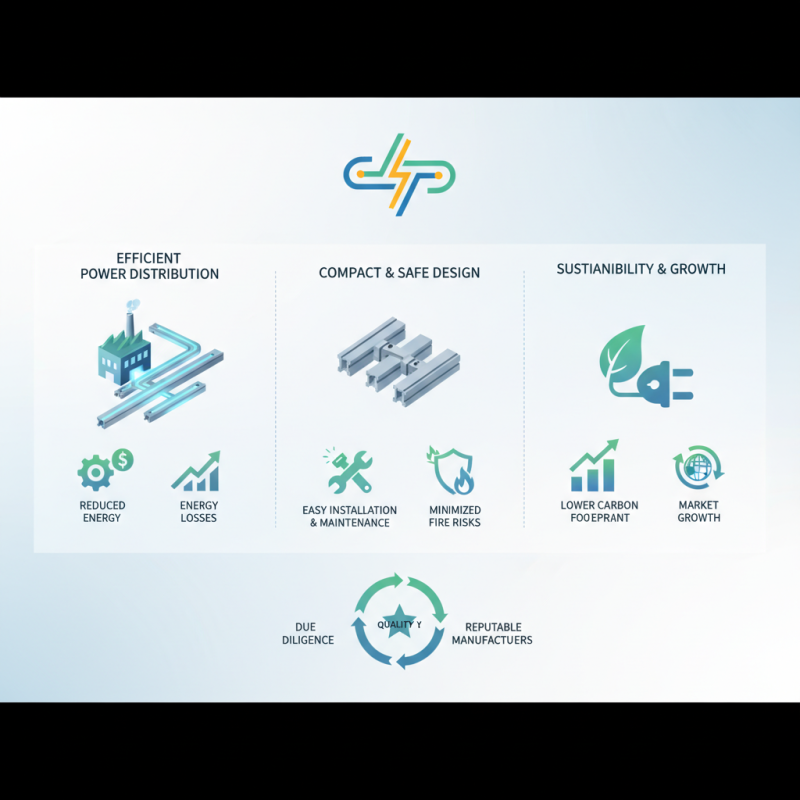
Barduct Busbar Systems stand out due to their compact design and high conductivity. These systems facilitate easy installation and maintenance, mitigating potential downtime in operations. Additionally, they enhance safety by minimizing fire risks associated with traditional wiring methods. However, it's essential to consider factors like installation conditions and material compatibility to maximize their effectiveness.
The implementation of Barduct Busbar Systems can also lead to greater sustainability in energy consumption. By optimizing power distribution, industries can significantly lower their carbon footprint. Despite these advantages, companies must perform due diligence and partner with reputable manufacturers to ensure quality and reliability. Ultimately, while the benefits are substantial, careful evaluation remains crucial for success.
Understanding Barduct Busbar Systems: An Overview
Barduct busbar systems are gaining attention from global buyers. They offer efficient power distribution and versatile installation options. These systems are essential in industrial and commercial settings. Understanding their design can help in making informed purchasing decisions.
These busbar systems are typically made from copper or aluminum. They serve as a reliable means to transfer electric power. The design allows for easy modifications based on specific needs. This flexibility is particularly beneficial in changing environments. However, potential buyers should consider installation requirements. Improper setup can lead to inefficiencies.
Tip: Evaluate your space before purchasing. Ensure the busbar system fits your layout. Another crucial factor is maintenance. Regular checks can prevent unexpected failures. While Barduct systems provide many benefits, ensuring proper usage is vital. Always consult with experienced professionals for optimal performance.
Benefits of Barduct Busbar Systems for Global Buyers
Key Features of Barduct Busbar Systems for Buyers
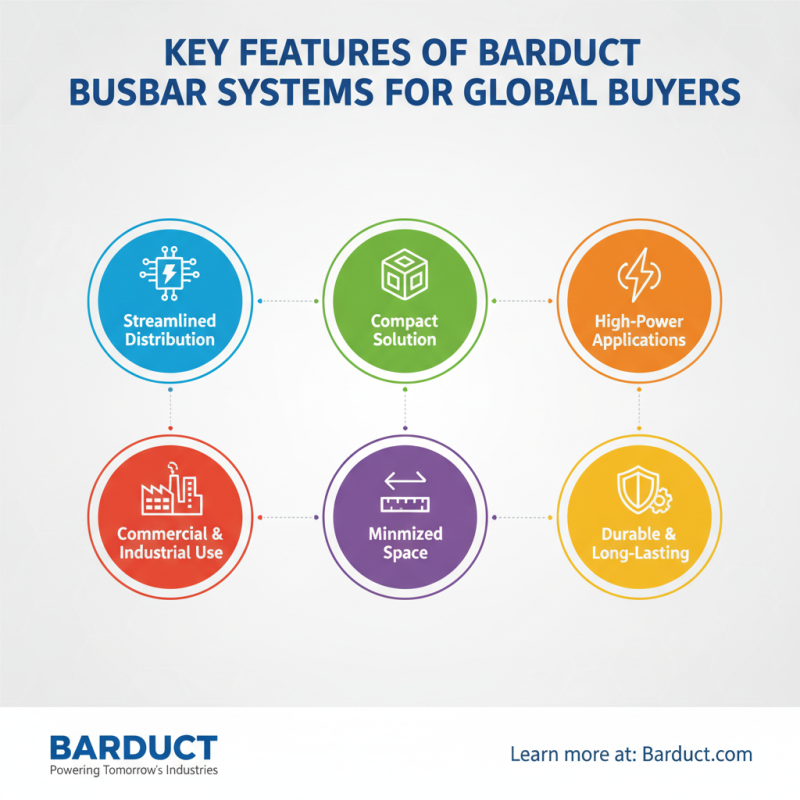
Barduct busbar systems offer numerous advantages for global buyers. These systems streamline electrical distribution. They provide a compact solution for high-power applications. This is essential in both commercial and industrial settings. With an efficient design, they minimize space requirements. Quality materials ensure durability and long-lasting performance.
Key features include modular designs that enhance adaptability. Buyers can easily configure systems to meet specific needs. High conductivity materials increase efficiency, reducing energy loss. Additionally, fast and straightforward installation minimizes downtime. Maintenance is also simplified, reducing long-term costs. However, potential users should consider initial investment costs. Sometimes, opting for cheaper solutions may lead to higher expenses in the long run.
Another important aspect is scalability. Barduct systems can grow with your project without major overhauls. Yet, it is crucial to plan carefully. Proper assessment of future needs helps avoid limitations later. As technology evolves, so should your electrical infrastructure. Balancing immediate needs with future growth can be challenging but essential.
Advantages of Using Barduct Busbar Systems in Electrical Installations
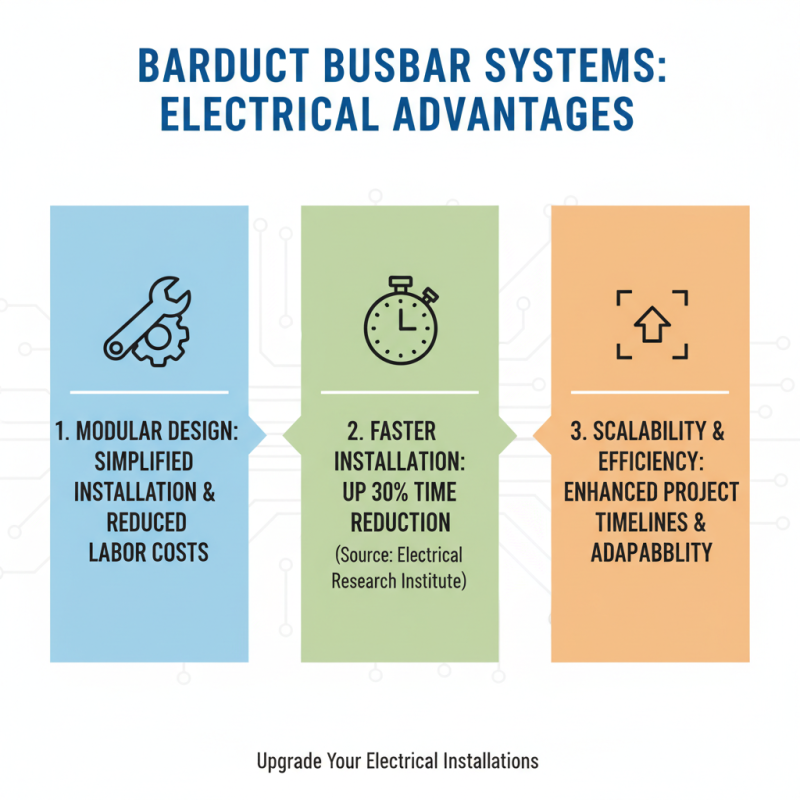
Barduct busbar systems present a significant advantage in electrical installations. These systems offer a modular design, which simplifies installation processes and reduces labor costs. A study from the Electrical Research Institute indicates that using busbar systems can cut installation time by up to 30%. This efficiency not only enhances project timelines but also allows for scaling in various applications.
Moreover, Barduct busbar systems excel in energy efficiency. They experience lower resistive losses compared to traditional cabling, with reports showing a reduction of energy loss by approximately 10%. This contributes to overall operational cost savings and a smaller carbon footprint. They are also known for their durability and reliability, with a lifespan that can extend beyond 25 years under proper conditions.
However, it's essential to recognize some challenges. The initial investment in busbar systems can be daunting for smaller projects. Furthermore, proper training is crucial for installation and maintenance, highlighting a gap in expertise in some regions. A report from the Global Energy Association emphasizes the need for well-trained technicians to ensure optimization of busbar systems. Addressing these aspects is vital for maximizing their potential benefits in electrical installations.
Comparative Analysis: Barduct Busbar Systems vs. Traditional Wiring
The transition from traditional wiring to busbar systems presents significant advantages. Barduct busbar systems incorporate a streamlined design that minimizes wiring complexity. This can lead to easier installation and maintenance. In contrast, traditional wiring requires extensive labor and time, often resulting in increased labor costs.
Barduct busbars also enhance safety. Their robust construction reduces the risk of short circuits and fires. Traditional wiring, while familiar, can introduce vulnerabilities. Overloaded circuits and loose connections are common issues. Barduct systems eliminate these risks by providing a more reliable power distribution method.
However, not all environments may benefit equally from busbar systems. Certain projects may find traditional wiring more cost-effective initially. It is crucial to assess the specific needs of each application. Understanding the unique electrical loads and physical space available can help guide the best choice. These considerations will ensure optimal performance and safety for any electrical installation.
Global Market Trends for Barduct Busbar Systems and Their Impact
Barduct busbar systems are gaining traction in the global market, showcasing innovative solutions for power distribution.
These systems promise efficiency, reducing energy loss and installation time. As industries evolve, so do their needs
for reliable power management infrastructure.
One significant trend is the shift towards sustainability.
Many companies prefer busbar systems that utilize eco-friendly materials.
This benefits the environment and aligns with corporate social responsibility goals. However, not all products
meet high sustainability standards. Thorough research is crucial before making a purchase.
Tips: Assess the installation
environment. Consider temperature fluctuations and potential vibrations. Ensure the selected system can withstand these conditions.
In addition, cost-effectiveness is a critical factor. Buyers often
look for systems that balance initial investment with long-term savings. Yet, luxurious features might not always yield practical benefits.
Balancing performance with budget constraints requires careful evaluation.
Tips: Check for warranty and after-sales
support. Reliable service minimizes unexpected maintenance costs, enhancing overall value.