Top 5 Benefits of Using Aluminum Dense Busway for Modern Electrical Systems
In the rapidly evolving landscape of electrical systems, choosing the right components is crucial for efficiency and reliability. One standout solution that has gained traction in modern electrical infrastructure is the Aluminum Dense Busway. According to a report by the Electrical Engineering Research Institute, the demand for effective power distribution systems has surged by 15% over the past five years, primarily driven by advancements in technology and the proliferation of high-power applications. This trend underscores the need for innovative solutions that not only enhance performance but also ensure safety and longevity.
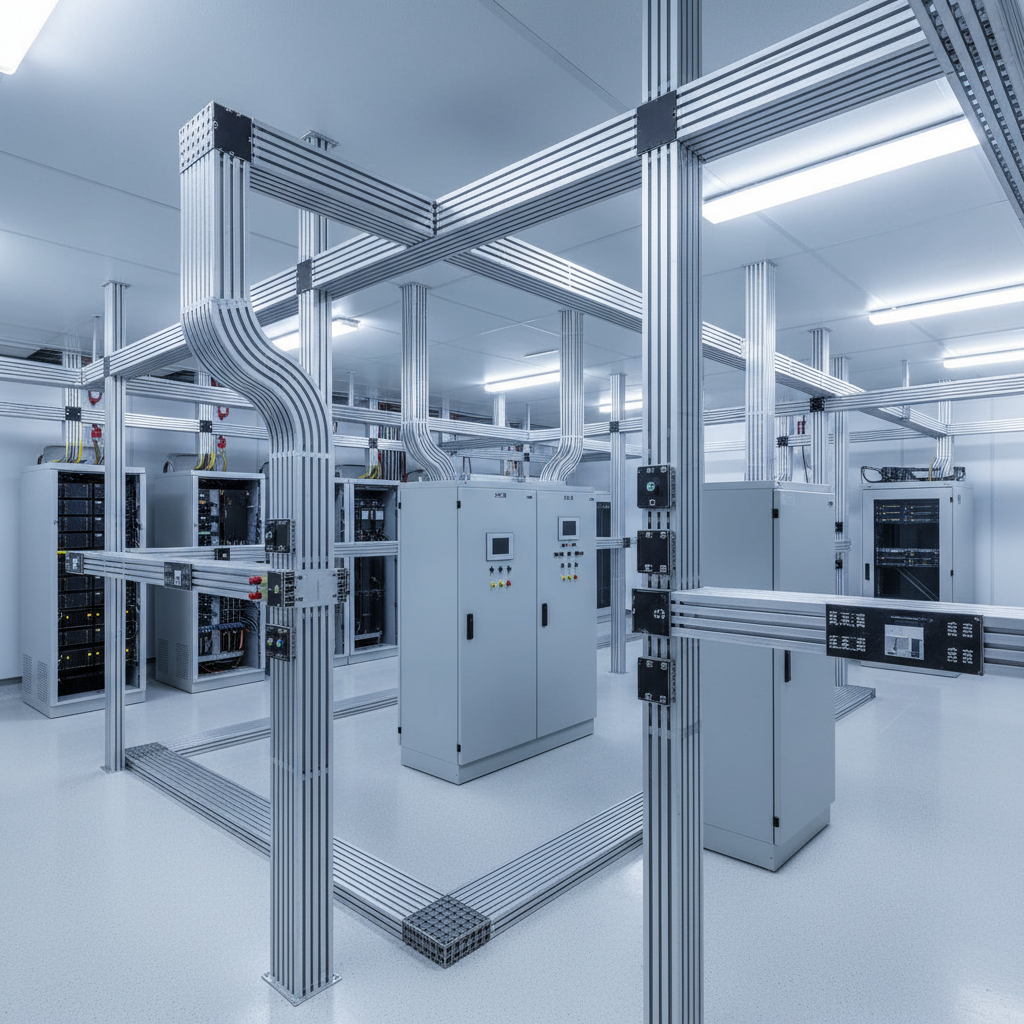
Aluminum Dense Busway offers several benefits that align perfectly with these industry demands. Its lightweight nature allows for easier installation and reduced structural loads, making it an increasingly popular choice in commercial and industrial settings. A recent analysis from the Institute of Electrical and Electronics Engineers (IEEE) indicates that systems utilizing Aluminum Dense Busway can achieve up to 30% more efficient power distribution compared to traditional wiring methods. This marked efficiency improvement is crucial for businesses striving to minimize energy consumption while maximizing operational effectiveness. As we delve into the top five benefits of Aluminum Dense Busway for modern electrical systems, it becomes clear that this innovative solution is redefining efficiency standards in the industry.
Understanding the Superior Conductivity of Aluminum Dense Busway
Aluminum dense busway systems are gaining traction in modern electrical infrastructure largely due to their
superior conductivity compared to traditional copper
alternatives. Understanding the conductivity of aluminum is essential for optimizing electrical distributions.
Aluminum has a conductivity level that can rival copper, yet it is significantly lighter and less expensive,
which can lead to cost savings in both installation and
long-term operations. Moreover, advancements in applications such as polyimide composites and ionic conductive
hydrogels illustrate the ongoing research into improving conductivity and overall material efficiency,
reinforcing the advantages of utilizing aluminum.
Tips: When selecting materials for electrical systems,
consider not just the conductivity but also factors such as weight, cost, and thermal management.
This ensures an all-around optimized solution.
In addition, as the demand for effective heat management in electronic devices continues to rise, aluminum
dense busway can effectively handle increased thermal loads without compromising performance. The integration
of aluminum with advanced composites, as seen in recent studies, highlights its potential in leading-edge
electrical applications. This evolution in material technology paves the way for more efficient, safer, and sustainable electrical systems.
Tips: Always stay updated with the latest research in
material sciences to discover innovative combinations that could further enhance conductivity and performance
in your designs.
Maximizing Space Efficiency with Compact Aluminum Busway Design
In modern electrical systems, space efficiency is a critical consideration, and aluminum dense busway offers a compelling solution with its compact design. Unlike traditional wiring methods, which can consume significant space, aluminum busway allows for a streamlined installation that maximizes available square footage. This is particularly beneficial in environments where every inch counts, such as commercial buildings, factories, and data centers.
Tips for maximizing space with aluminum dense busway include careful planning during the layout design phase. Take the time to assess your system's needs thoroughly, as this will help identify the most efficient arrangements. Additionally, consider vertical installations where feasible; this not only conserves floor space but also enhances accessibility for maintenance activities.
Another tip is to take advantage of the modular nature of aluminum busway systems. By using standardized components, you can easily adjust the configuration as your electrical load demands change. This flexibility allows for future expansions without the need for extensive renovations, ultimately preserving the integrity of your space while ensuring optimal electrical performance.
Enhancing Safety Standards in Electrical Installations through Aluminum Busway
Aluminum dense busway systems are increasingly recognized for their pivotal role in enhancing safety standards in modern electrical installations. As industries strive to optimize power distribution while minimizing hazards, these busway systems present a formidable solution. A report from the National Electrical Manufacturers Association (NEMA) indicates that aluminum busway can reduce the risk of electrical failures and fires, with a failure rate significantly lower than that of traditional copper systems. This is largely due to improved heat dissipation characteristics and robust insulation properties, which are particularly critical in high-demand environments.
Furthermore, the lightweight nature of aluminum contributes to safer installation practices, minimizing the risk of injuries during handling and mounting. According to a study published by the Institute of Electrical and Electronics Engineers (IEEE), the installation of aluminum busways can decrease overall setup time by up to 30%, allowing technicians to focus more on safety protocols rather than cumbersome assembly tasks. The fire resistance inherent in aluminum designs further enhances their appeal, as these systems can operate efficiently without the embedding of combustible materials, thus complying with stringent safety regulations and contributing to a more secure operational environment.
Cost-Effectiveness: Long-Term Savings with Aluminum Dense Busway Solutions
Aluminum dense busway systems are increasingly recognized for their cost-effectiveness, particularly in the context of modern electrical installations. According to a report by the Electric Power Research Institute, total installed costs for aluminum busway can be up to 20% lower than traditional copper alternatives, primarily due to reduced material costs and faster installation times. This financial advantage becomes particularly pronounced in large-scale applications where the volume of busway required significantly escalates the total expenditure.
Furthermore, longevity and reduced maintenance frequency contribute to long-term savings associated with aluminum dense busway solutions. Studies from the National Electrical Manufacturers Association indicate that aluminum busway systems can maintain efficiency and performance for over 30 years with minimal upkeep. This durability translates to less downtime and fewer replacement costs over the lifespan of the electrical system. Additionally, the lightweight nature of aluminum allows for simplified handling and reduced structural support requirements, leading to lower overall project costs. These factors position aluminum dense busway as a smart investment for businesses looking to optimize their electrical infrastructure while adhering to budget constraints.
Top 5 Benefits of Using Aluminum Dense Busway for Modern Electrical Systems
This chart illustrates the long-term savings potential of using Aluminum Dense Busway compared to traditional copper busways in electrical systems. The data reflects potential cost reductions and efficiency improvements.
Streamlining Maintenance: Benefits of Aluminum Busway in Modern Systems
In modern electrical systems, the choice of materials for busways is critical for operational efficiency and maintenance. Aluminum dense busways provide a lightweight yet robust solution, streamlining maintenance processes significantly. According to a report by the Electrical Reliability Council of Texas, aluminum busways can reduce weight by up to 50% compared to traditional copper systems, making them easier to handle and install. This reduced weight not only simplifies the initial installation but also lowers the long-term maintenance efforts, as the ease of access is greatly enhanced in cramped installation environments.
Moreover, the corrosion resistance of aluminum further aids in reducing maintenance frequency. A study by the International Energy Agency found that aluminum bus systems exhibit corrosion rates up to 75% lower than their copper counterparts, leading to extended operational lifespans and reduced downtime for repairs. This is particularly beneficial in industrial settings where operational continuity is paramount. As electrical demands continue to increase, utilizing aluminum dense busways can lead to more streamlined maintenance procedures, minimizing disruptions and ensuring optimal system performance.
Top 5 Benefits of Using Aluminum Dense Busway for Modern Electrical Systems
| Benefit |
Description |
Impact on Maintenance |
| Lightweight Design |
Aluminum's low weight allows for easier handling and installation. |
Reduces labor costs and installation time. |
| Corrosion Resistance |
Aluminum is naturally resistant to corrosion, enhancing durability. |
Minimizes maintenance frequency and extends lifespan. |
| Lower Energy Losses |
Efficient conduction reduces energy losses during operation. |
Decreases overall operational costs. |
| Flexible Configuration |
Easily adaptable layouts for modern electrical systems. |
Simplifies upgrades and maintenance tasks. |
| Reduced Footprint |
Compact design saves space in facilities. |
Enhances accessibility for maintenance and reduces clutter. |