Top 5 Benefits of Aluminum Dense Busway for Efficient Power Distribution?
In today’s fast-paced industrial landscape, efficient power distribution remains critical. Experts like Dr. Emily Tran, a leading authority on energy solutions, emphasize the importance of modern technologies. She once said, “Aluminum Dense Busway offers a reliable and cost-effective approach to power distribution.”
Aluminum Dense Busway stands out for its compact design and high conductivity. This allows businesses to optimize space without sacrificing performance. The lightweight nature of aluminum also simplifies installation and reduces labor costs. Each connection is easily accessible, enabling quick maintenance. This can lead to reduced downtime and improved efficiency.
Moreover, the durability of Aluminum Dense Busway ensures long-lasting reliability. It withstands harsh environments, making it suitable for various industries. However, improper installation can lead to operational issues. Therefore, choosing experienced professionals for setup is crucial. Investing in quality infrastructure is not just a trend but a smart choice for future-proofing power systems.
Understanding Aluminum Dense Busway: An Overview
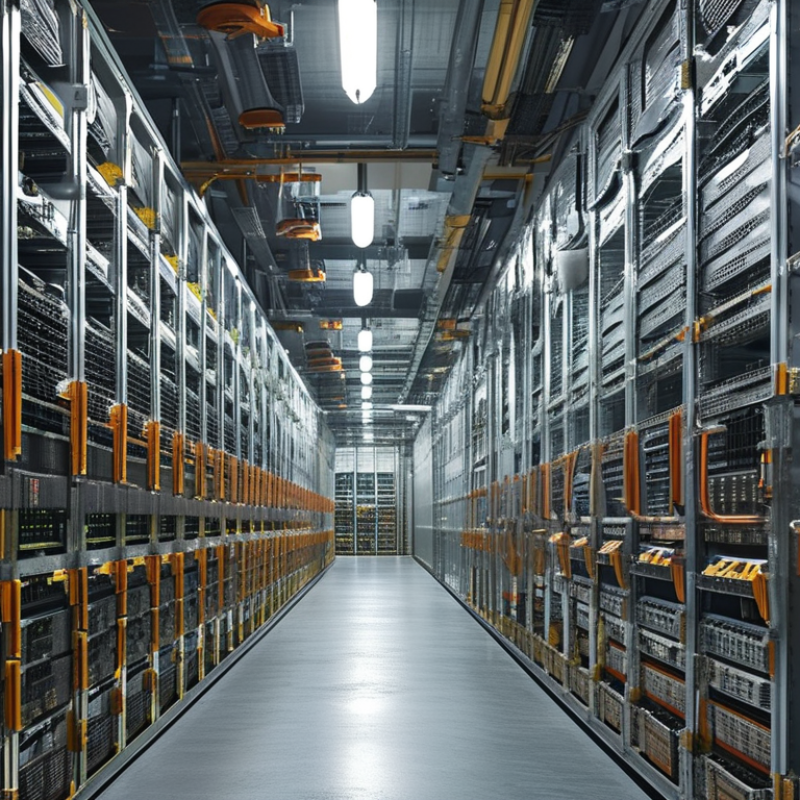
Aluminum dense busway is revolutionizing power distribution. This technology offers a compact and efficient solution for electrical systems. It consists of aluminum conductors that carry high currents. The design allows for a smaller footprint, which is crucial in tight spaces. Buildings can optimize their layout without sacrificing performance.
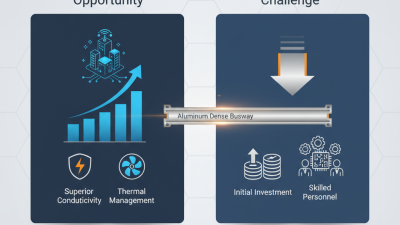
Efficiency is a key feature of aluminum dense busway. It minimizes power losses through better thermal management. The lightweight nature of aluminum reduces the structural load, allowing for easier installation. This is particularly beneficial in retrofit projects where existing frameworks may limit options. However, it requires careful planning to ensure compliance with safety standards.
Cost is another factor to consider. While aluminum busways may have a higher upfront cost, they often lead to long-term savings. Maintenance is typically lower due to their durability. Yet, a thorough analysis is essential to determine viability for specific applications. Learning from projects where these systems did not perform as expected can guide better decisions in the future. Reliability and safety should always be prioritized in electrical installations.
Top 5 Benefits of Aluminum Dense Busway for Efficient Power Distribution
Enhanced Electrical Conductivity for Reduced Power Loss
Aluminum dense busways are gaining attention for their efficient power distribution. A key advantage is their enhanced electrical conductivity, which significantly reduces power loss. This not only leads to lower operational costs but also increases overall system reliability. Electrical systems can suffer from inherent resistance, but aluminum's properties help minimize this effect.
Power loss can occur at any connection point. This highlights the need for quality materials, ensuring minimal energy wastage. Using high-conductivity components, like aluminum busways, supports better performance. This choice leads to improved energy efficiency, providing businesses with more reliable power delivery.
Tips: Ensure regular maintenance checks on your power distribution systems to spot potential issues early. Investing in quality components from the start reduces long-term costs. Additionally, consider worker training on handling these systems safely for optimal performance and safety. Support from professionals can also ensure that you are using the most efficient solutions available.
Space-Saving Design: Optimizing Layout for Distribution Systems
In recent years, the demand for efficient and compact power distribution systems has surged.
Aluminum dense busways have emerged as a solution. Their space-saving design optimizes layouts in commercial and industrial settings.
According to a report by the International Energy Agency, energy consumption in buildings accounts for around 36% of global energy use.
This creates a need for systems that conserve both space and energy.
Aluminum dense busway systems are significantly lighter than traditional copper alternatives.
This reduction in weight allows for easier installation and less structural support requirements.
A study from the Electric Power Research Institute notes that a lighter busway can lead to a 15% reduction in overall installation costs.
The compact nature of these systems also enables more efficient use of available floor space, allowing for greater flexibility in layout design.
However, not all facilities are ready to adopt this technology.
Some engineers express concerns about the thermal management of aluminum busways, especially under high load conditions.
It’s essential to conduct thorough thermal analysis to avoid overheating issues.
It seems the transition to aluminum systems is not without its challenges, but the potential for space optimization and energy efficiency remains significant.
Improved Thermal Management for Greater Efficiency
Aluminum dense busway systems are gaining attention for their exceptional thermal management capabilities. These systems efficiently dissipate heat, leading to increased operational efficiency and reliability. According to industry reports, effective thermal management can reduce energy losses by up to 20%. This reduction directly contributes to lower operational costs for power distribution.
Heat buildup in electrical systems can lead to failures or outages. Aluminum busways help maintain optimal temperatures, ensuring consistent performance. Engineers often recommend these systems for environments where space and temperature regulation are critical. Interestingly, research shows that aluminum busways can handle higher currents without overheating, providing an edge in dense applications.
Tip: Regularly monitor the temperature of your busway system. This practice helps identify potential issues before they escalate.
Another noteworthy aspect is the longevity of aluminum busways. They typically boast a lifespan exceeding 30 years with proper maintenance. This durability translates into lower replacement costs over time. However, users should be mindful of environmental factors that might impact performance, such as humidity and dust.
Tip: Schedule routine inspections to maintain efficiency and prolong the system's lifespan. Regular upkeep can prevent small issues from escalating into costly repairs.
Cost-Effectiveness and Durability in Long-Term Applications
Aluminum dense busway systems offer significant cost-effectiveness and durability. These systems reduce installation time and labor costs. Their lightweight nature allows for easier handling. This reduces overall project expenses. Long-term applications benefit from aluminum’s natural resistance to corrosion. It can withstand harsh environments while minimizing maintenance needs.
The durability of aluminum busways extends equipment life. They typically require fewer replacements compared to traditional wiring systems. This reliability can lead to lower long-term costs, which is critical for budget-conscious projects. However, it is essential to consider the specific application details. Some may require more robust materials for unique conditions.
Adopting aluminum busways may not suit every situation. Understanding the specific requirements and potential limitations is vital. Evaluating external factors like temperature fluctuations and moisture levels can aid in making an informed choice. While many find cost savings and durability appealing, it is crucial to reflect on whether this system meets all project requirements.