2026 Top Barduct Busbar Systems Benefits and Innovations?
The Barduct Busbar Systems have revolutionized power distribution in industrial applications. These systems provide efficiency, safety, and adaptability, essential in today’s evolving market. According to recent industry reports, the global busbar market is expected to reach $13 billion by 2026, highlighting the growing demand for solutions like Barduct Busbar Systems.
One of the key benefits is that these systems reduce installation time significantly. Traditional wiring systems often lead to lengthy downtimes. Barduct busbars can streamline this process. However, the initial costs may deter some businesses. A careful cost-benefit analysis is crucial before implementation.
Innovation in materials and designs further enhances performance. New insulation techniques improve safety and thermal efficiency. Still, as with any technology, challenges remain. Installation requires skilled professionals, and failing to meet standards can lead to hazards. Emphasizing training and quality assurance can mitigate these issues. Overall, Barduct Busbar Systems represent a significant advancement in energy distribution but necessitate thoughtful application.
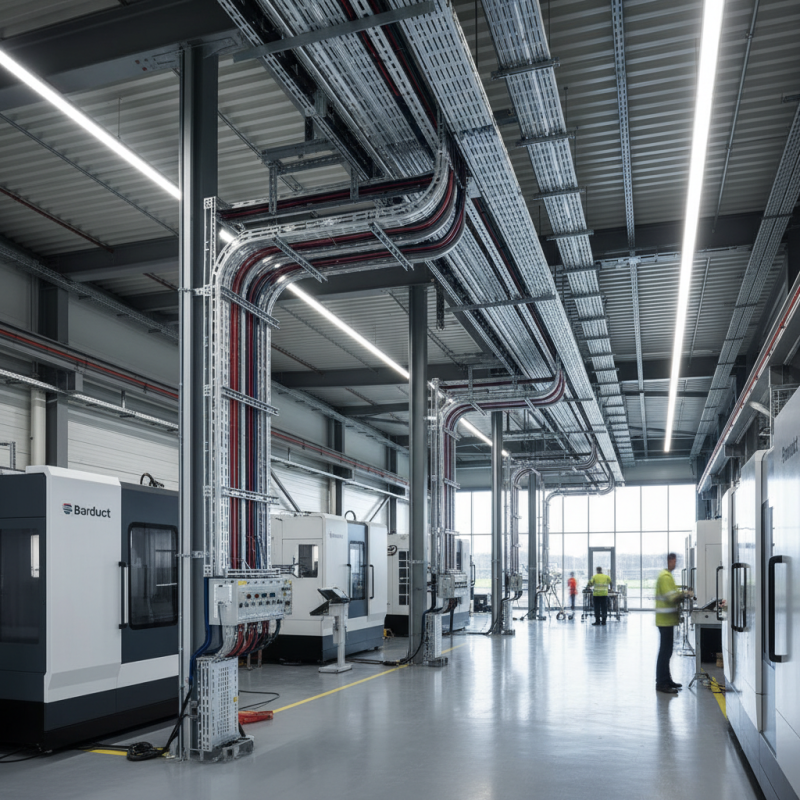
Benefits of Barduct Busbar Systems in Modern Electrical Applications
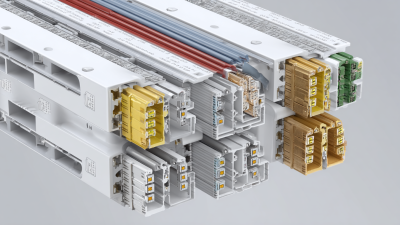
Barduct busbar systems are gaining attention in modern electrical applications. They offer numerous benefits that align with current industry demands. For instance, studies report that busbar systems can improve efficiency by up to 20%, which significantly reduces energy costs. This efficiency is crucial as global energy prices continue to rise.
Another advantage of Barduct systems is their space-saving design. They occupy less space compared to traditional wiring methods. This compactness allows for easier installation and access in crowded electrical rooms. According to industry experts, the use of busbar systems can decrease installation time by roughly 30%. This can translate into lower labor costs and faster project completion.
However, it’s essential to recognize some challenges. The initial investment can be higher than conventional wiring. Additionally, not all technicians are trained to work with newer busbar technology. As demand for Barduct systems grows, the industry must address these training gaps. Continuous innovation in this area can lead to more reliable installation practices and increased user confidence.
2026 Top Barduct Busbar Systems Benefits and Innovations
| Benefit/Feature |
Description |
Application Area |
| High Current Capacity |
Barduct busbars can handle higher currents compared to traditional wiring, enhancing efficiency. |
Industrial electrical systems |
| Space Efficiency |
Compact design allows for maximum use of space in tight installations. |
Commercial buildings |
| Improved Safety |
Designed to minimize electrical hazards, providing better protection against short circuits. |
Data centers |
| Flexibility and Modularity |
Easily adaptable system for future expansions or modifications in electrical layouts. |
Manufacturing facilities |
| Cost-Effectiveness |
Reduced installation time and labor costs, leading to overall savings. |
Large-scale construction |
| Enhanced Thermal Management |
Design minimizes the risk of overheating, prolonging the system’s lifespan. |
Power distribution networks |
Key Innovations in Barduct Busbar Technology for 2026
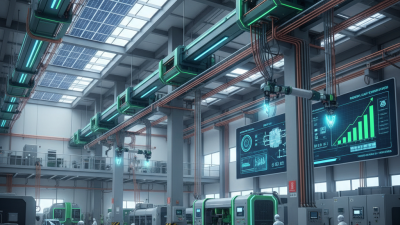
The Barduct busbar systems are shaping the future of electrical distribution. In 2026, we see significant innovations in busbar technology. These innovations focus on improving efficiency and safety in electrical systems. According to a recent industry report, energy efficiency in busbar systems can improve by up to 30%. This is a critical advancement for both commercial and industrial sectors.
One key innovation is the integration of smart monitoring features. These features include real-time performance tracking. They alert engineers to potential failures before they occur. Data collected from these systems can lead to predictive maintenance strategies. Such strategies can reduce downtime by nearly 40%. However, incorporating these technologies requires careful planning. Some companies still face challenges adapting to new systems.
Furthermore, advancements in materials are noteworthy. Enhanced insulation materials are now available. They increase reliability and reduce fire hazards. This innovation is crucial, as fire risks remain a serious concern. Yet, transitioning to new materials can be costly and time-consuming for some businesses. The push for sustainability is commendable but requires further evaluation for practical implementation.
Comparative Analysis of Barduct Busbar Systems and Traditional Wiring
Barduct busbar systems present a fascinating alternative to traditional wiring. These systems enhance efficiency, delivering power where needed with reduced energy loss. Reports indicate that busbars can achieve up to 30% lower resistance compared to conventional wires. This reduction leads to energy savings and a smaller carbon footprint.
Moreover, Barduct systems streamline installation. Unlike traditional wiring that requires extensive labor, busbars can be quickly mounted and scaled. This feature may reduce labor costs by nearly 20%. However, transitioning to busbars can pose challenges. The initial investment is often higher, which raises questions for smaller projects.
Another consideration is flexibility. While Barduct systems allow easy modifications, traditional wiring provides more adaptability in tight spaces. This trade-off can complicate planning. Many industry experts emphasize the need for careful assessment of project specifications before making a switch.
Environmental Impact and Sustainability of Barduct Busbar Systems
Barduct busbar systems offer numerous environmental benefits and promote sustainability. These systems use less material compared to traditional wiring. They effectively reduce energy loss, enhancing efficiency in power transmission. This advantage leads to lower carbon emissions, contributing to a greener planet.
Moreover, these busbar systems can be designed for easy recycling. When systems reach the end of their life cycle, materials can often be reused. This aspect is crucial as electronic waste grows alarmingly. However, not all materials are easily recyclable, raising questions about long-term sustainability.
The installation of Barduct busbar systems also has an impact on construction practices. They require less space and simplify layouts. Yet, improper installation can lead to inefficiencies. Professionals must be adequately trained. Balancing innovation with the right practices is essential for maximizing these systems' sustainable potential.
Future Trends in Barduct Busbar System Design and Implementation
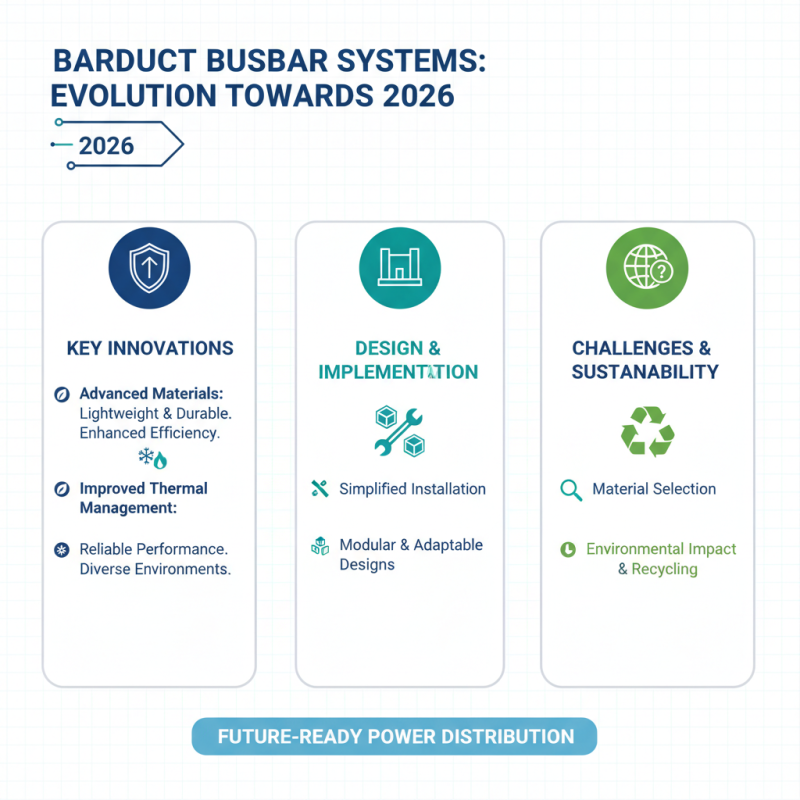
As we move towards 2026, the design and implementation of Barduct Busbar Systems will evolve significantly. Innovations in materials will play a crucial role. Lightweight, durable materials can enhance efficiency and simplify installations. Improved thermal management will ensure reliable performance in various environments. However, manufacturers must address challenges related to material selection and sustainability.
Another trend is modularity in busbar design. This allows for easier upgrades and customizations. Tailoring systems to specific applications can maximize efficiency and reduce waste. Transporting and installing modular components could save both time and resources. Yet, ensuring compatibility across various systems is a concern that needs attention.
Digital integration is also on the horizon. Smart technologies could allow real-time monitoring of electrical systems. Visualization tools may help operators optimize performance and troubleshoot issues. However, the reliance on technology could lead to vulnerabilities in system security. Balancing innovation with risk management will be crucial for future developments in Barduct Busbar Systems.